
Last updated November 15, 2026
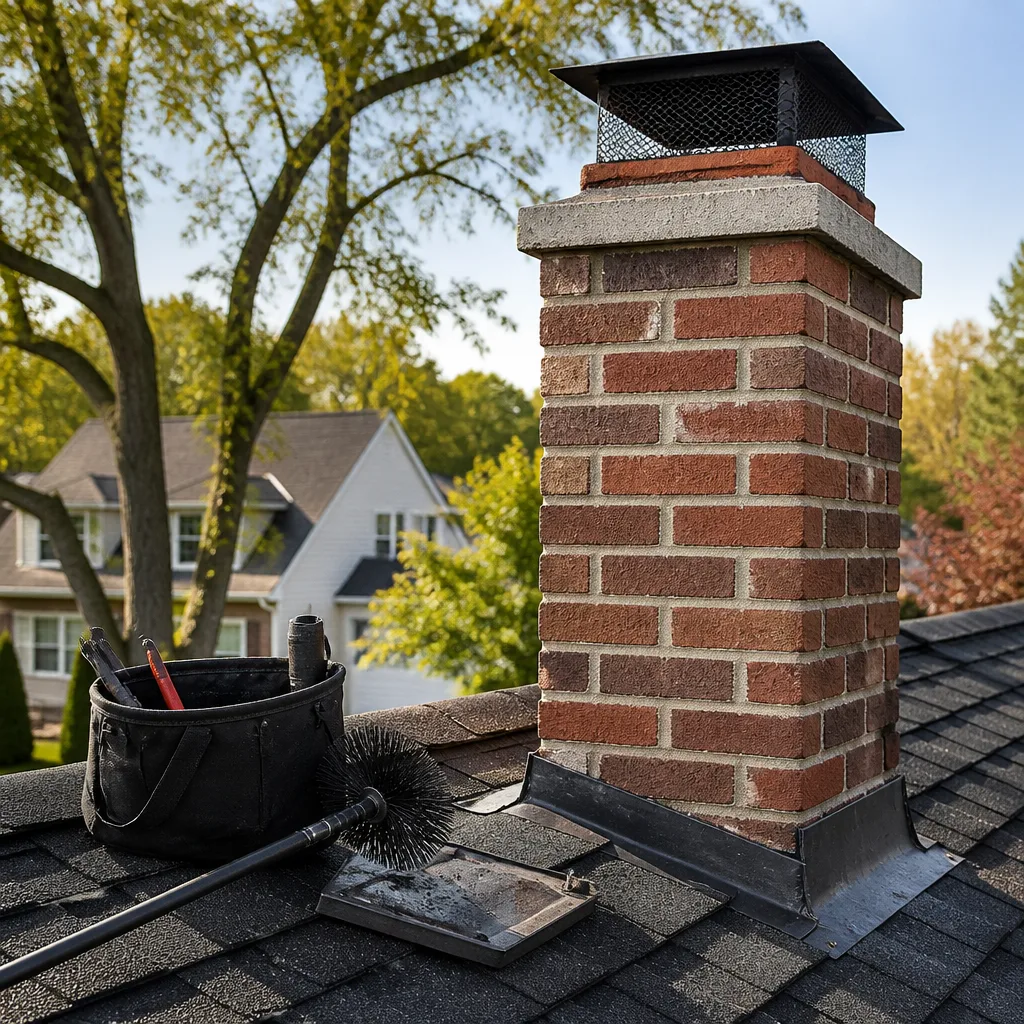 Sweep & inspection
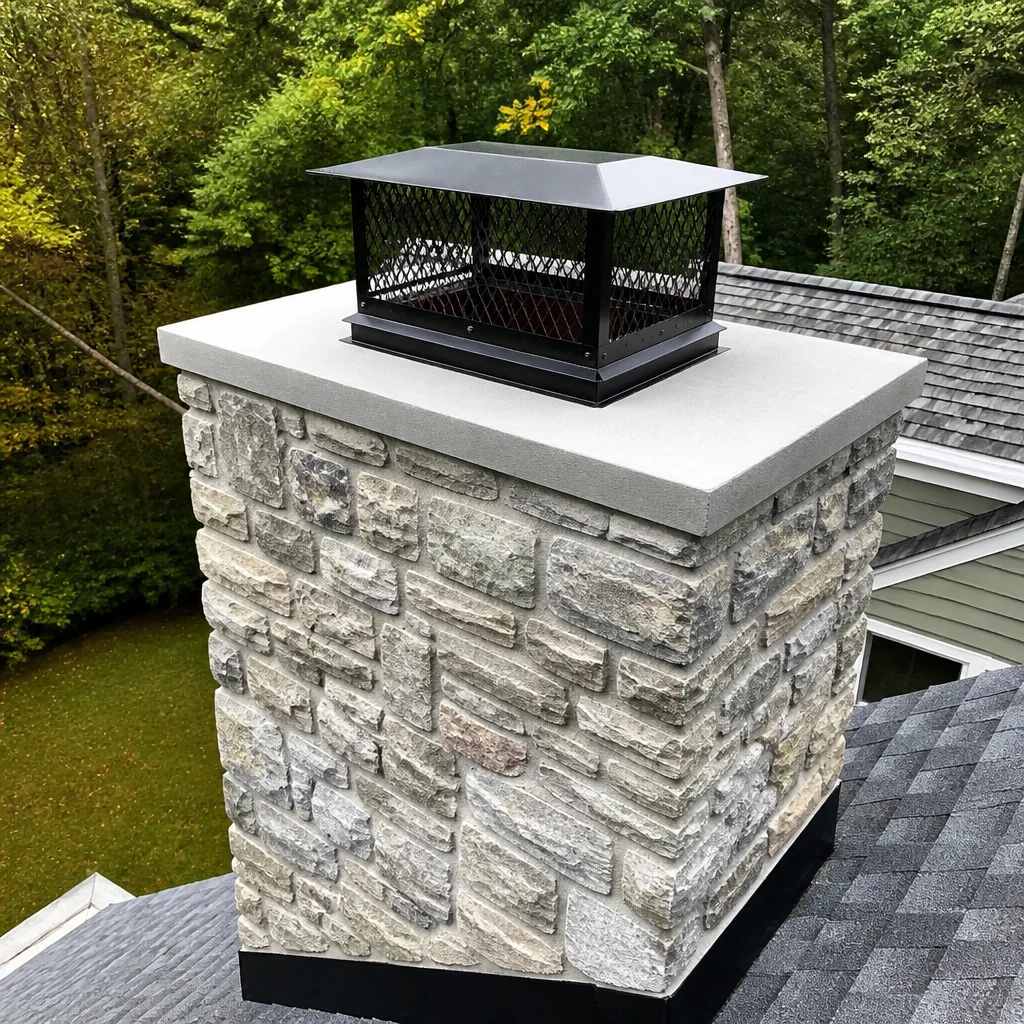 Caps & crowns
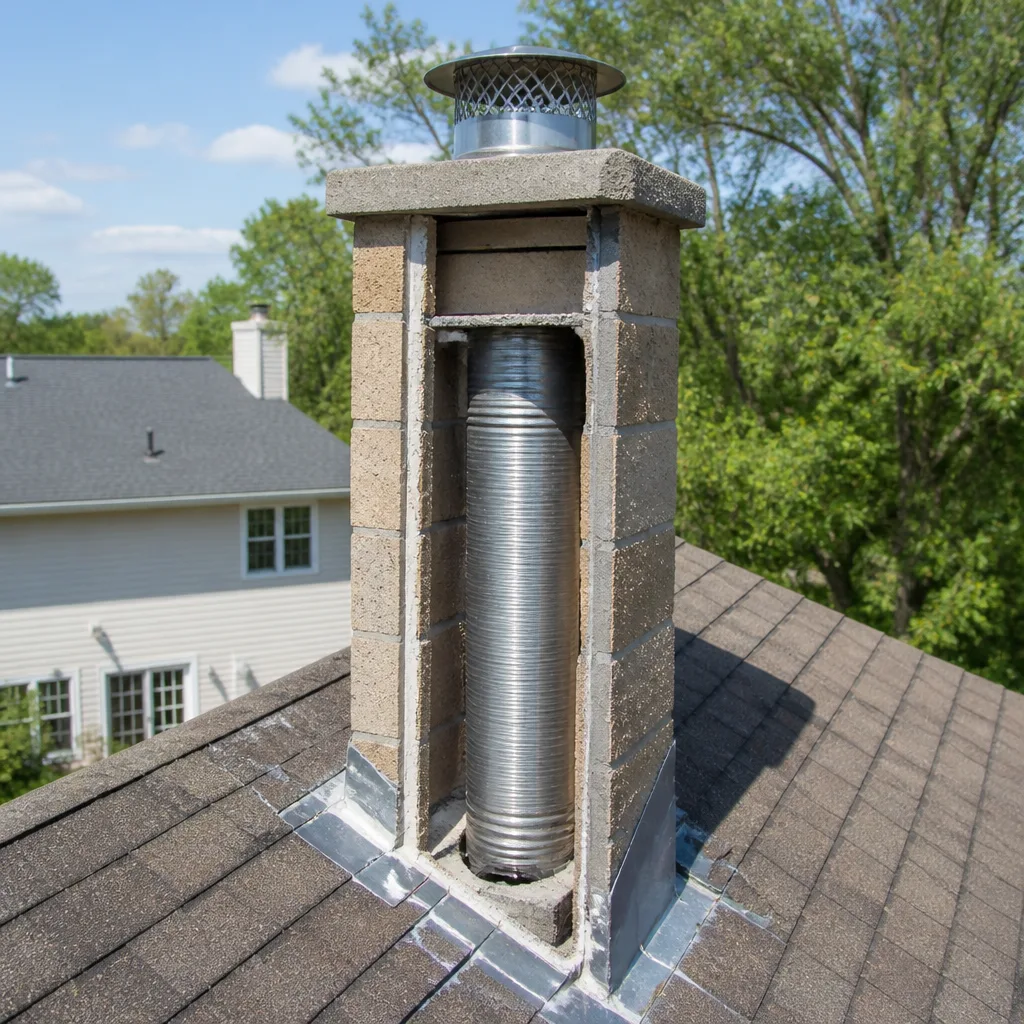 Flue relining
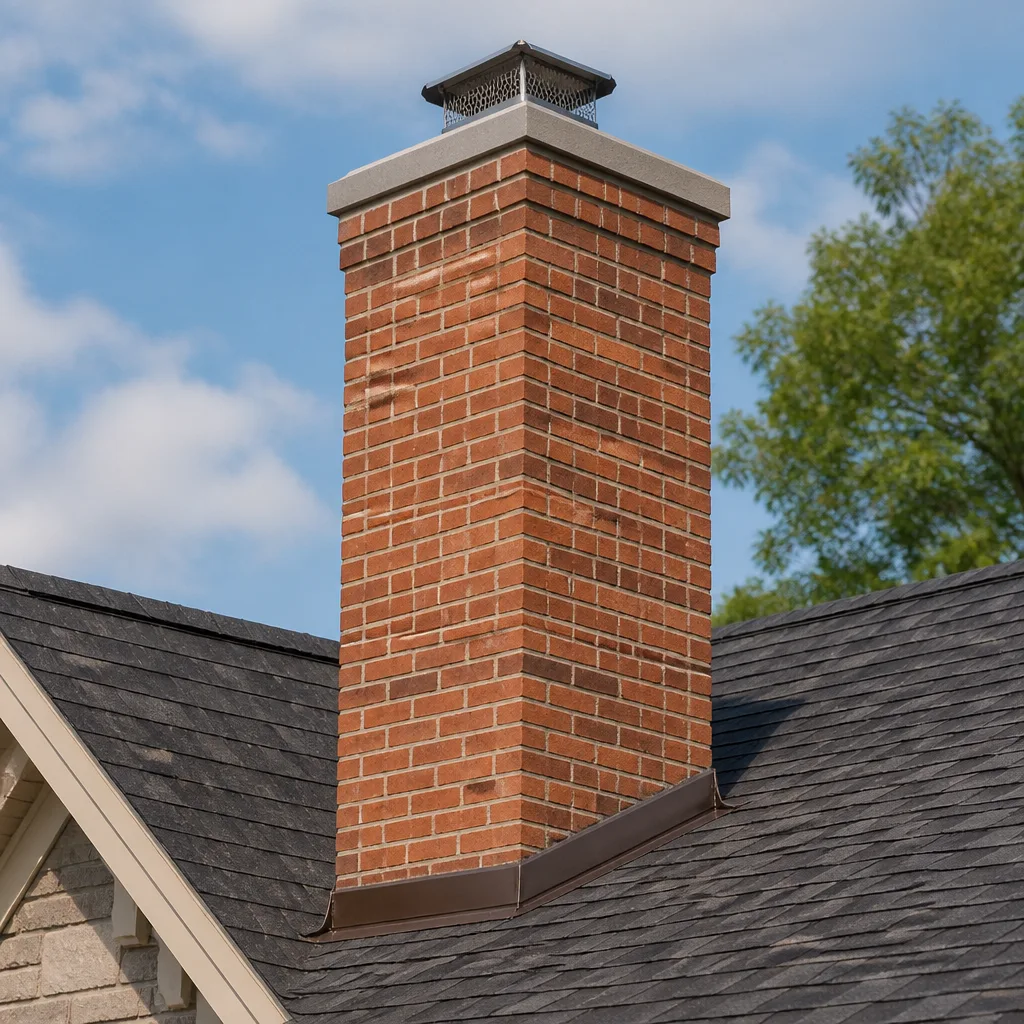 Masonry repair
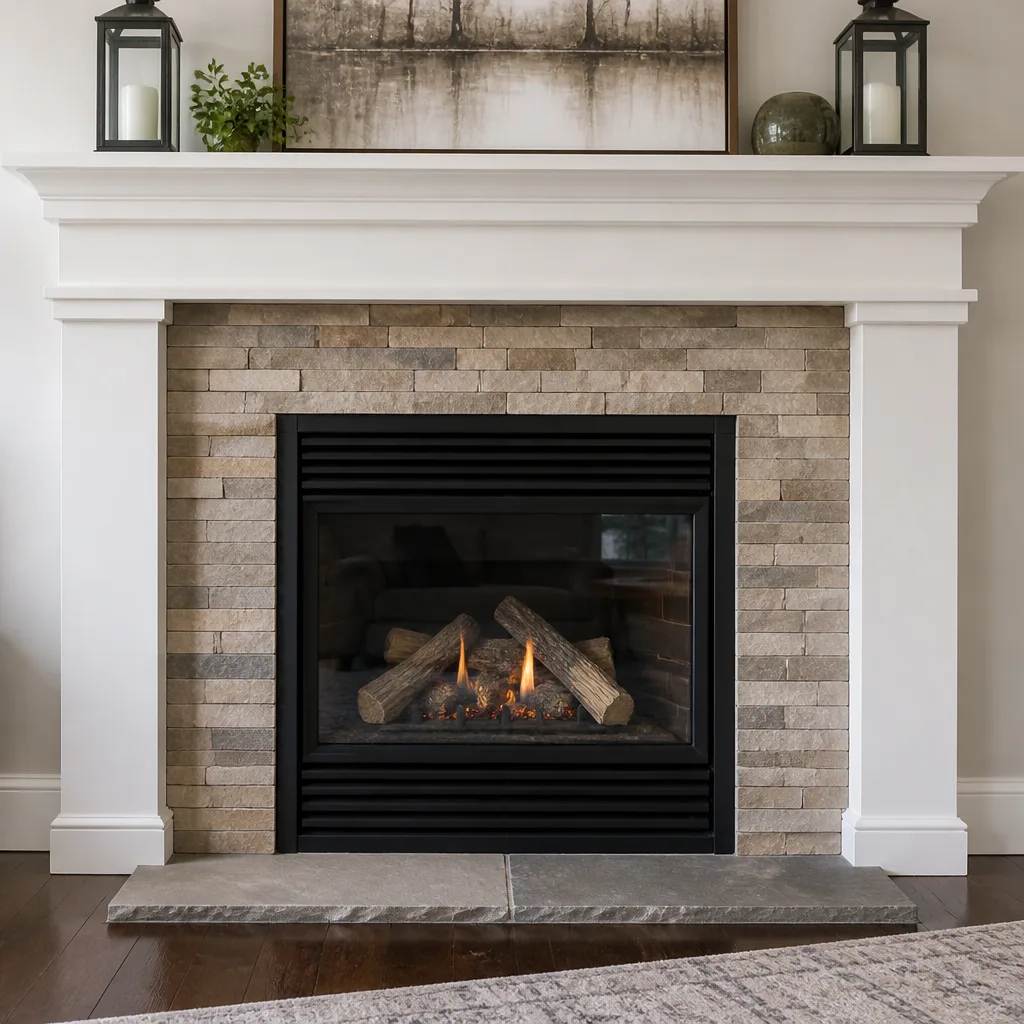 Gas fireplace service
Level 1 sweep and inspection to the NFPA 211 annual standard - flue, crown, cap, and flashing checked and photographed
Chimney sweep logs do not sweep chimneys. They loosen some creosote - which then falls where a brush and vacuum still have to collect it.
Chimney Cleaning Emergency Preparedness Guide for Richmond Homes
Most people picture a chimney fire the way they picture a house fire: flames, smoke pouring into the room, sirens. That picture is wrong, and the gap between it and reality is where the danger lives. Many chimney fires burn inside the flue at temperatures above 2,000°F, starved of oxygen and muffled by the masonry around them, and a homeowner sitting ten feet away may hear nothing louder than a low rumble they mistake for the furnace. The damage a quiet fire leaves behind is what sets up the next one to spread. This guide covers how to recognize a flue fire while it’s happening, the pre-season steps that remove the conditions behind most Richmond emergencies, how our local weather patterns trigger backdraft, and how to document a chimney event so an insurer takes your claim seriously.
Quick Answer
A chimney emergency in Richmond is almost always predictable and preventable, and it comes from one of three patterns: a first burn of the season through a flue lined with last year’s creosote, a backdraft driven by a pressure drop or onshore wind, or a storm that drops debris across the cap. Prepare before the season, learn the warning signs of a flue fire, and never light another fire after a suspected event until a Level 2 inspection has confirmed the flue is intact. A sweep and inspection booked before your first fire prevents far more than it costs.
Styles & brands we work with
- Sweep & inspection
- Caps & crowns
- Flue relining
- Masonry repair
- Gas fireplace service
Table of Contents
- How Do You Recognize a Chimney Fire While It’s Happening?
- Why Is the First Burn of the Season the Riskiest Fire You’ll Light?
- Pre-Season Preparation: The Richmond Checklist
- Atmospheric Backdraft and Wind: When Not to Light a Fire
- What to Do After a Suspected Chimney Fire
- What a Level 2 Inspection Actually Covers
- Documenting a Chimney Emergency for Insurance
- When to Call a Professional
How Do You Recognize a Chimney Fire While It’s Happening?
A chimney fire usually announces itself through sound and smell before it shows itself through flame. If you hear a roaring or a low rumbling that sounds like a distant train, notice a hot, acrid smell, or see smoke behaving strangely, treat it as a flue fire until proven otherwise. The correct immediate response is not simply “call 911 and wait.”
Here are the signals to watch for, in order of how often they show up:
- Sound: a roaring, crackling, or rumbling noise from the chimney. A freight-train rumble is the classic description, but many flue fires are quieter than that.
- Smell: a sharp, hot, tarry odor, or the smell of burning creosote, which is distinct from wood smoke.
- Smoke behavior: puffs of black or gray smoke pushing out of the top of the chimney and back into the room in irregular bursts.
- Visible clues outside: sparks or flames at the chimney top, or a strong draft pulling at the firebox that wasn’t there before.
- Heat: the chimney breast or flue pipe growing unusually hot to the touch, or a warped damper.
Your response in the first minute matters. Here’s the sequence:
- Get everyone out of the house and call 911. Even if the fire seems to have stopped, the fire department needs to confirm it’s out and check the structure.
- If it’s safe and you can do it without delay, close the firebox doors or dampers to starve the flue of air. Don’t open the firebox to look.
- Once the house is clear, do not re-enter to move belongings or check the chimney yourself.
- After the fire department clears the scene, book a Level 2 inspection before you light another fire.
The part most homeowners miss: a chimney fire can burn itself out and leave no obvious damage. A quiet fire is not a harmless one. It can crack flue tile, warp a damper, and leave a rough, glazed creosote layer that’s more flammable than what fed the fire. That’s why the inspection after an event is non-negotiable.
Why Is the First Burn of the Season the Riskiest Fire You’ll Light?
Because your flue has been sitting for months, and whatever was lining it at the end of last season is still there. Creosote deposited during the previous winter has had the whole dry season to cure, harden, and, in the worst cases, glaze into a brittle, highly combustible layer. The first fire of the season is the one that puts real heat to that layer.
Richmond’s summers are long and dry, and that matters here. A flue that sits through a dry season with no fire does two things. The creosote deposited last winter loses moisture and becomes more combustible. And the chimney is more likely to collect dust, cobwebs, and the kind of light debris that dry weather loosens from trees and rooftops. That combination is why the first burn is a specific hazard rather than a figure of speech.
Contrast that with what many people expect: that a chimney needs cleaning because it’s “dirty,” and that a dirty chimney is a slow accumulation problem that can wait until mid-winter. The first-fire pattern is the opposite. The risk is concentrated in the first burn, and the preparation window is the weeks before it.
The fix is simple and cheap compared with the alternative. Book a chimney sweep before the first burn of the season, not after. If you’ve already burned a fire or two, that’s fine; a sweep now still removes the creosote before it builds a fresh layer on top of the old one. If your firebox hasn’t been lit in more than a year, treat the next fire as a first fire and get the flue checked before you light it.
Pre-Season Preparation: The Richmond Checklist
Most of what causes a chimney emergency in Richmond shows up long before anyone sees smoke. Here’s the pre-season work that removes the conditions behind the three most common triggers.
Eliminate the creosote layer. A professional sweep clears the flue of the creosote the last burning season left behind. This is the single highest-value prep step you can take. Our technicians have up to 13 years of experience, and they can tell you after a sweep whether your flue has a glazed creosote problem that needs more than a standard cleaning.
Check the cap and the top of the chimney. A cap that’s cracked, rusted through, or missing lets rain, debris, and animals straight into the flue. A chimney repair on the cap is cheaper and simpler than the damage a blocked flue causes later. If your cap is an Olympia Chimney, Famco, or Copperfield component, we can supply and fit the right replacement.
Test the damper and the draft. Open and close the damper before the season. If it sticks, warps, or doesn’t seal, that’s a repair, not a nuisance. A damper that won’t seal lets warm house air escape all summer and creates an unwanted draft all winter.
Clear the sweep of debris from the firebox and the smoke shelf. The smoke shelf is the ledge just above the damper that catches the material the flue doesn’t carry up. A clogged smoke shelf is a common cause of first-burn smoke in the room.
Leave room for draft air. A fire needs air, and a house sealed tight for summer or winter can starve the firebox. Know how to crack a window near the fireplace if the first fire struggles to draw.
Store firewood correctly and season it long enough. Wet or green wood produces more creosote than dry wood. Cover it, keep it off the ground, and give it the time it needs.
None of this requires special tools or a DIY mindset. Most of it is checking things and calling someone when something looks wrong. That call is the step that actually removes the risk.
Atmospheric Backdraft and Wind: When Not to Light a Fire
Richmond sits where the bay meets the hills, and our weather creates a specific problem for chimneys: pressure and wind patterns that produce backdraft. Backdraft means the flue is pulling air the wrong way, sending smoke down the chimney and into the room instead of up and out. You don’t fix a backdraft with more fuel. You wait it out or you correct the cause.
The conditions that drive backdraft here most often:
- A fast drop in barometric pressure. Fireplaces will work normally on a warm, still afternoon and then refuse to draw on a windy evening when a weather system moves through the bay.
- Onshore wind. A strong, steady wind from the bay side can press against the top of the chimney and stall the draft. Some chimneys have the problem only on certain wind directions.
- Cold chimney, warm room. The chimney’s interior is colder than the room until a fire warms it. That’s a normal first-fire issue and a common reason the smoke wafting out on the first light clears up once the flue warms.
- A tight house. Modern houses with tight envelopes can starve a fire of combustion air and pull smoke back down when a kitchen fan or dryer is running.
How to avoid lighting a fire you’ll regret: check the wind and pressure before lighting, especially on an evening with a weather change moving through. If a fire won’t draw after a couple of minutes, opening a window on the firebox side often restores the draft. If it still doesn’t draw, don’t keep feeding it; let it go out and try again another time.
If a chimney backdrafts regularly on the same conditions, that’s a signal to get it inspected. A reverse-draft problem can come from a short chimney, a blocked cap, or a flue that’s the wrong size for the appliance, and all three are fixable.
What to Do After a Suspected Chimney Fire
A visual glance up the flue is not enough after a suspected fire, and it’s the most common mistake we hear about. The fire can burn behind and between flue tiles, crack the mortar joints, or heat-warp the damper, and none of that is visible from the firebox. Heat damage happens from the outside in.
Here’s the sequence after a suspected event:
- Do not light another fire. Even if the flue seems fine and the fire department has left, no fire until the flue is inspected.
- Get the chimney inspected at Level 2. A Level 2 inspection is the standard after a flue fire: it includes a camera inspection of the flue and the visible portions of the structure, and it’s what your insurer will expect to see.
- Keep every piece of documentation. Fire department report, photos, the inspection report, any receipts. Insurers want a paper trail.
- Address what the inspection finds before the next fire. If the liner is damaged, a reline with a DuraFlex flexible liner or a HeatShield restoration may be the right fix, and getting it done before the next heating season is when it’s simplest.
One thing most guides skip: even a fire that burned itself out and left the room seemingly unharmed can have done structural damage inside the flue. That damage is what lets the next fire spread. The Level 2 inspection is the only way to know. If the inspection turns up damage, we can fix it, which matters because a sweep-only company would hand you a report and a contractor referral, and you’d be dealing with two companies about one problem.
What a Level 2 Inspection Actually Covers
A Level 2 inspection is the level most Richmond homeowners need after a suspected chimney fire, after a change to the heating appliance, or before buying a house. It’s more than a quick look and it’s less than a full engineering assessment, and knowing the difference matters for insurance and for safety.
What a Level 2 inspection covers:
- Video camera inspection of the flue from top to bottom, so the technician can see the inside, not just the parts visible from the firebox.
- The chimney exterior and structure, including the cap, the crown, and the visible masonry.
- The appliance connection where it joins the flue, and the flue’s accessibility and condition.
- Documentation, which is the part most homeowners need and frequently get a verbal summary of from a sweep-only visit.
A Level 1 inspection is the annual look you get with a routine sweep. A Level 3 inspection is the deepest assessment and only happens when a Level 1 or Level 2 turns up a serious reason to open things up. The level you need should follow the situation, not a sales script. If you’ve had a fire, a change, or a warning about your flue, it’s a Level 2.
Here’s the part that separates a diagnosis from an upsell: you should see the camera footage and photo documentation yourself. A chimney inspection is not a report you take on faith. We can show you what we found, explain what it means, and tell you plainly when work can safely wait. If the flue is fine, you should hear that. That’s what the Juniper Chimney Sweep name stands for in practice.
Documenting a Chimney Emergency for Insurance
Whether an insurer pays a chimney-related claim often comes down to documentation, and the single most common reason a claim gets challenged is a missing post-fire inspection report. An adjuster can’t distinguish a fire that damaged the flue from one that didn’t without a professional report. So if you’re preparing for a chimney emergency, prepare the paper trail.
What adjusters look for:
- A dated inspection report from a qualified inspector, specific to the event and the flue.
- Camera evidence of the flue’s condition, not just a written note that says “damaged.”
- The fire department’s report, if one was filed.
- Photos of the firebox, the chimney top, and any visible damage, taken before repairs begin.
- Repair estimates written by someone who can actually perform the work, so the insurer sees consistent numbers.
The risk of skipping the inspection: a claim for a flue that clearly needed relining before the fire can be read as pre-existing damage. A post-fire report documents the flue’s state at the time of the event, and it protects both the safety case and the insurance case. If you need a Richmond sweep and inspection plus the repair that follows, having one company work through the whole thing keeps the paperwork consistent. That’s why we do sweep, inspection, and repair under one name.
See the difference
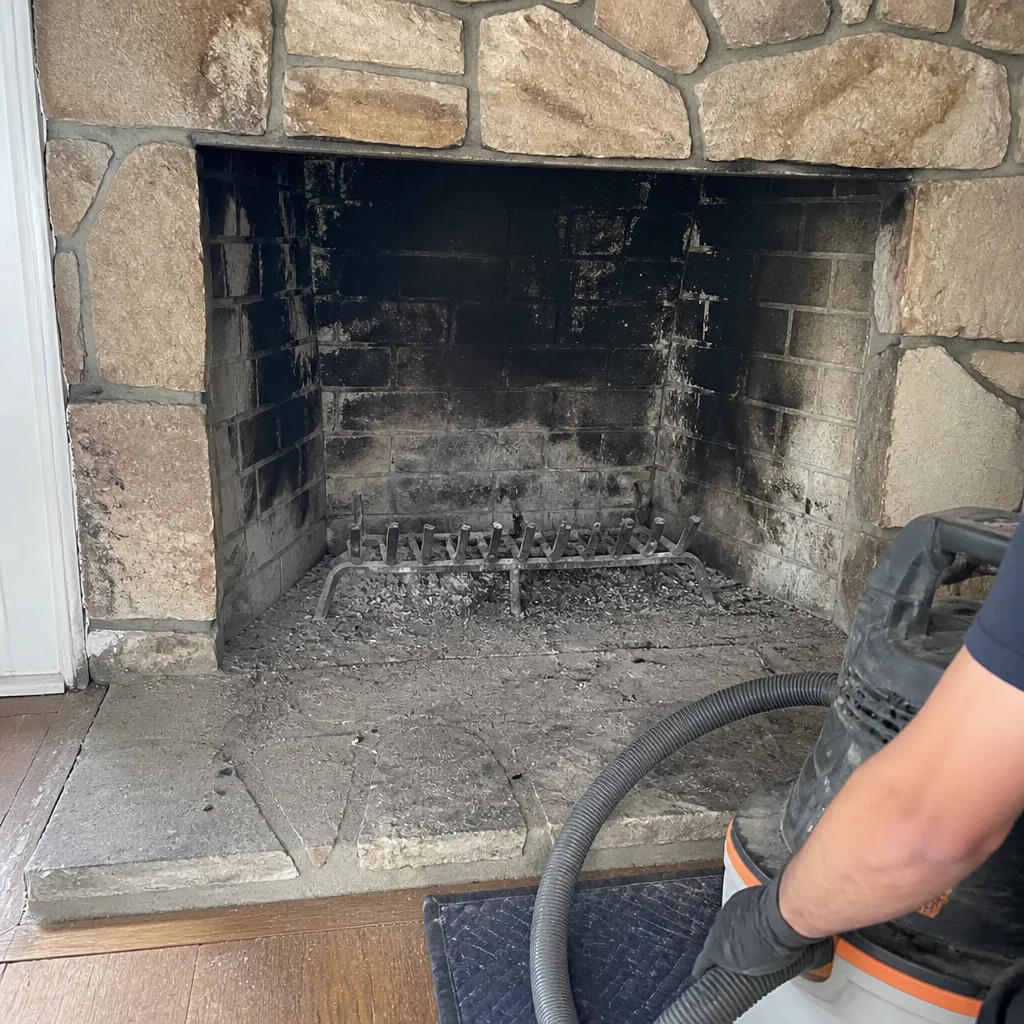 Before
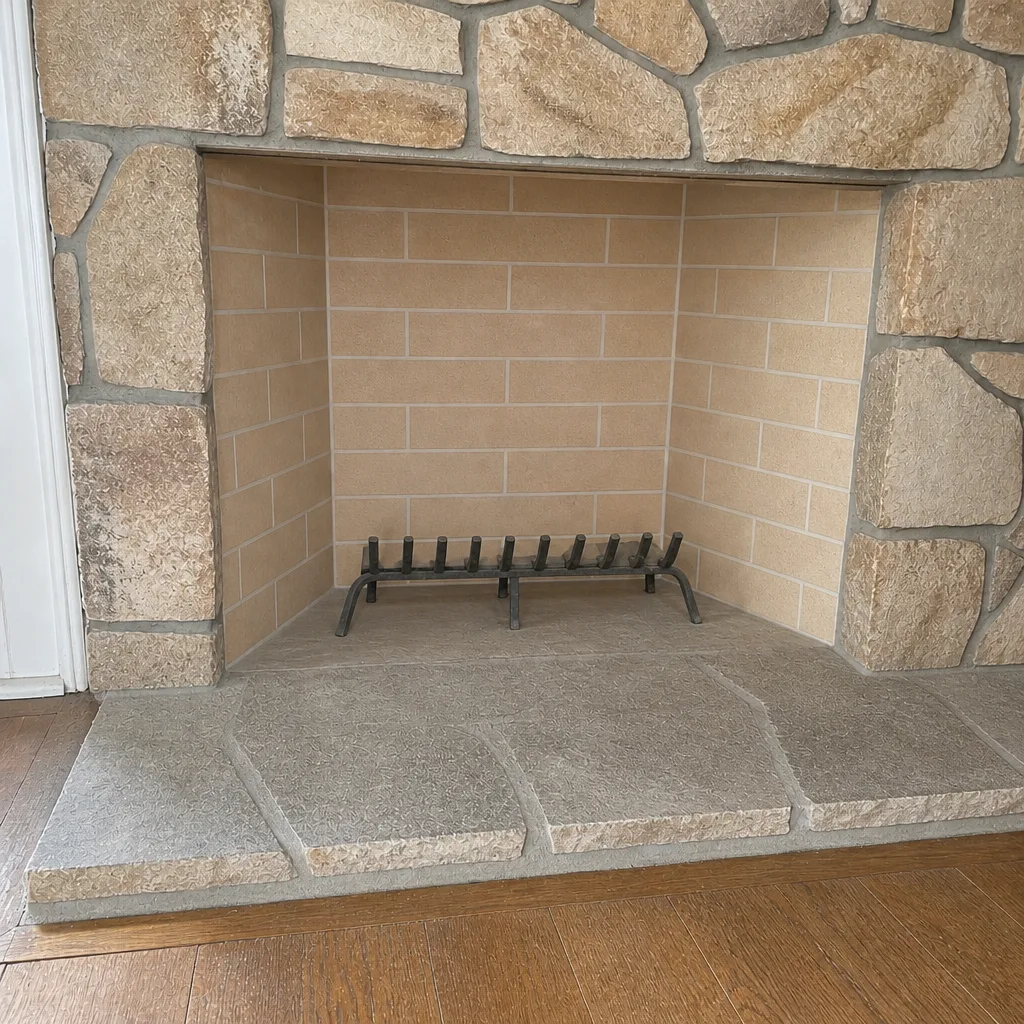 After
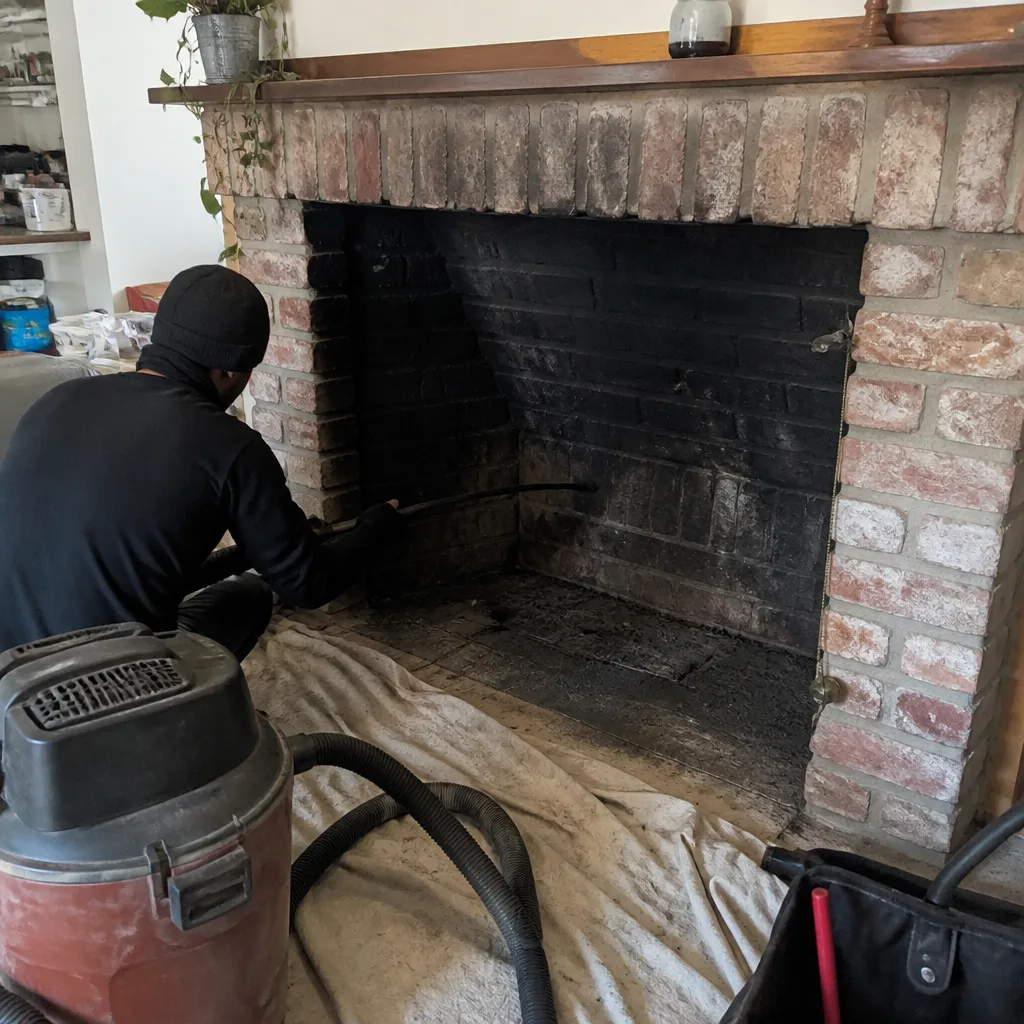 Before
 After
 Before
 After
Common Mistakes to Avoid
- Lighting the first fire of the season without a sweep. Richmond’s dry summers let creosote harden and cure into a more combustible layer. The first fire is the one that puts real heat to it. Get the sweep first.
- Assuming a fire that burned itself out is done. Heat damage happens behind the visible flue tiles. If you had any event, a visual look isn’t enough. You need a Level 2 inspection.
- Reading a backdraft as a fire problem. Smoke rolling into the room on a windy evening is usually a draft issue, not a fire that’s about to spread. Don’t panic-feed the fire; check the windows and the pressure.
- Waiting to reline until something fails. A damaged flue liner is a safety system failure waiting to happen. A reline with DuraFlex flexible liner or a HeatShield restoration is the fix, and the right time to find out is before the next fire, not after.
- Doing your own flue fire damage check. The flue is not something to inspect from the firebox with a flashlight. What you can see is a small fraction of what’s there.
- Leaving your cap off through the dry season. A missing or cracked cap lets debris and rain into the flue. A cheap fix now avoids a blockage emergency later.
- Assuming a sweep is enough after a chimney fire. A sweep cleans a healthy flue. It doesn’t diagnose a damaged one. If there’s a fire history, book the inspection separately.
When to Call a Professional
Call a professional when any of these apply: you’ve had a suspected chimney fire, you can’t get the flue to draw on a few occasions, you hear rumbling or roaring from the chimney, the firebox has warped or cracked, the cap is damaged or missing, or you’ve never had your flue inspected and you use the fireplace regularly. In each case the question is a diagnostic one, and the answer requires a camera and a trained eye. We book sweeps and inspections with flat pricing agreed before we start, and we include a camera inspection and photo report. You won’t be told what we found without seeing it for yourself. Juniper Chimney Sweep offers free estimates in Richmond.
Frequently Asked Questions
The creosote layer builds up and becomes more combustible, and the first fire of the next season puts real heat to it. Skipping a sweep doesn’t cause a fire in one year, but it stacks the odds across the seasons. Call (866) 361-9755 for an exact quote. Estimates are free.
A standard sweep plus a Level 1 inspection is typically a modest flat price, agreed before we book, and any repair beyond that is quoted separately from a written estimate. For an exact quote for your flue, call (866) 361-9755. Estimates are free.
Yes. The visible flue tiles rarely show the damage from a flue fire, and the damage that matters is behind and between the tiles. A Level 2 inspection with camera video is the only way to know the flue is safe to use again. Call (866) 361-9755 to book one. Estimates are free.
Yes. Many chimney fires burn themselves out quietly and leave structural damage inside the flue that nobody sees. That damage is what allows the next fire to spread. That’s why any event, however brief, calls for a Level 2 inspection before you light up again.
It’s usually backdraft from a pressure drop or an onshore wind, not a fire problem. A fire that won’t draw for a couple of minutes on a windy evening needs a window cracked rather than more fuel. If it happens often, get the cap and the flue checked.
Yes. A chimney isn’t a case where a warning “looks fine” from the outside. A sweep and inspection gives you a camera-level answer, and it’s the only way to know whether the flue is sound. Call (866) 361-9755. Estimates are free.
The Bottom Line
A chimney emergency in Richmond isn’t random. It follows a pattern: a first burn of the season through last year’s creosote, a backdraft driven by a pressure drop, or a storm-related debris blockage. Learn the warning signs of a flue fire. Book your sweep before the first burn of the season. Don’t light a fire after a suspected event until a Level 2 inspection confirms the flue is intact. And keep the camera evidence, the inspection report, and the fire department report, because the paperwork protects your safety and your insurance claim. Our technicians have up to 13 years of experience with professional-grade components, and we find it and fix it in the same visit when possible. Call (866) 361-9755. We answer 24/7. Fast dispatch from 7am to 7pm, Sunday through Friday.
Written by the team at Juniper Chimney Sweep.