
Last updated November 15, 2026
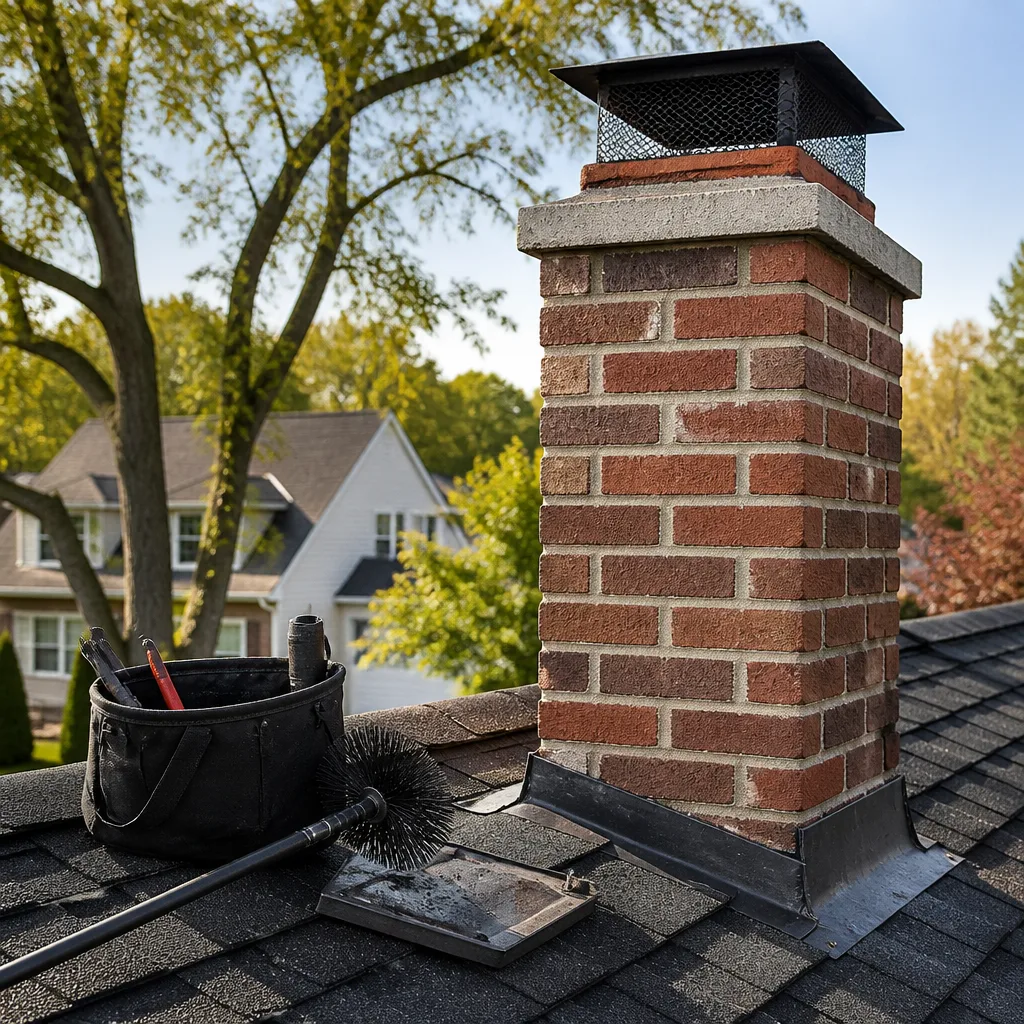 Sweep & inspection
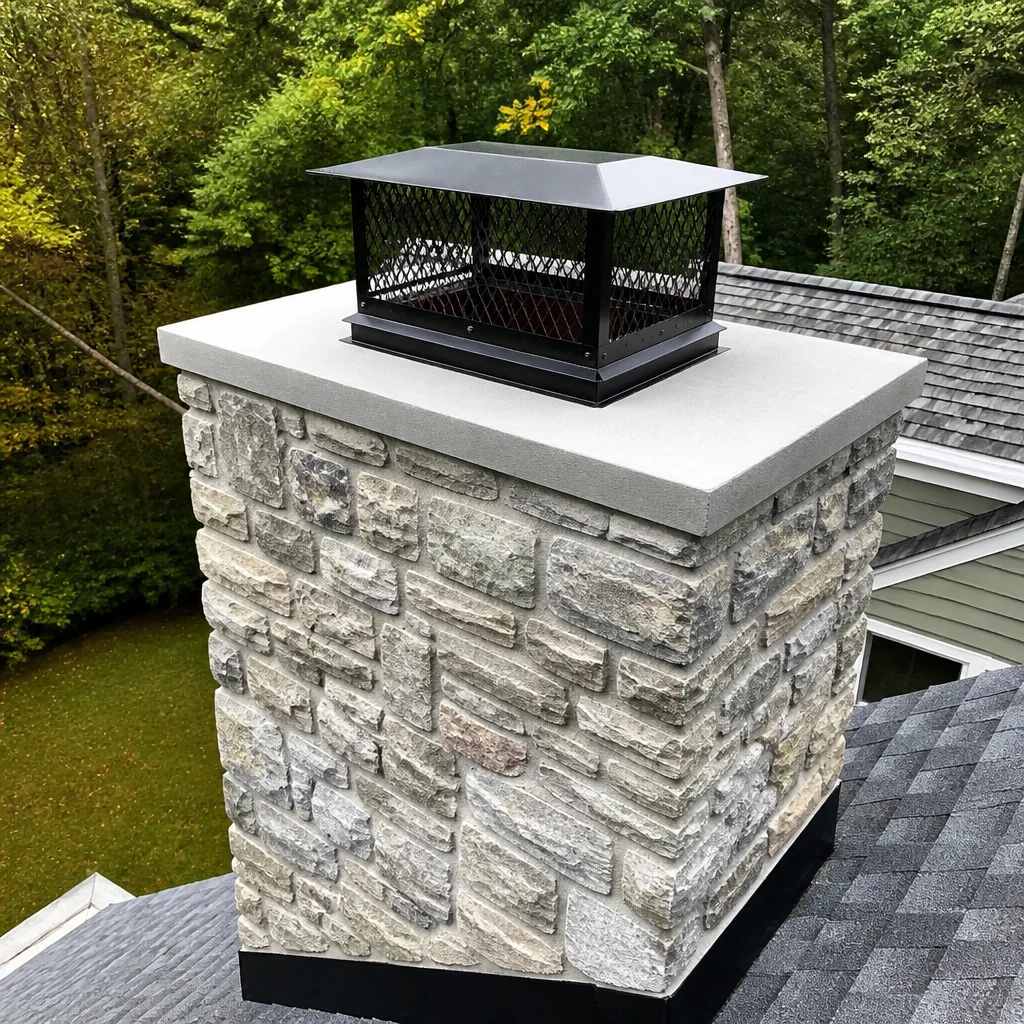 Caps & crowns
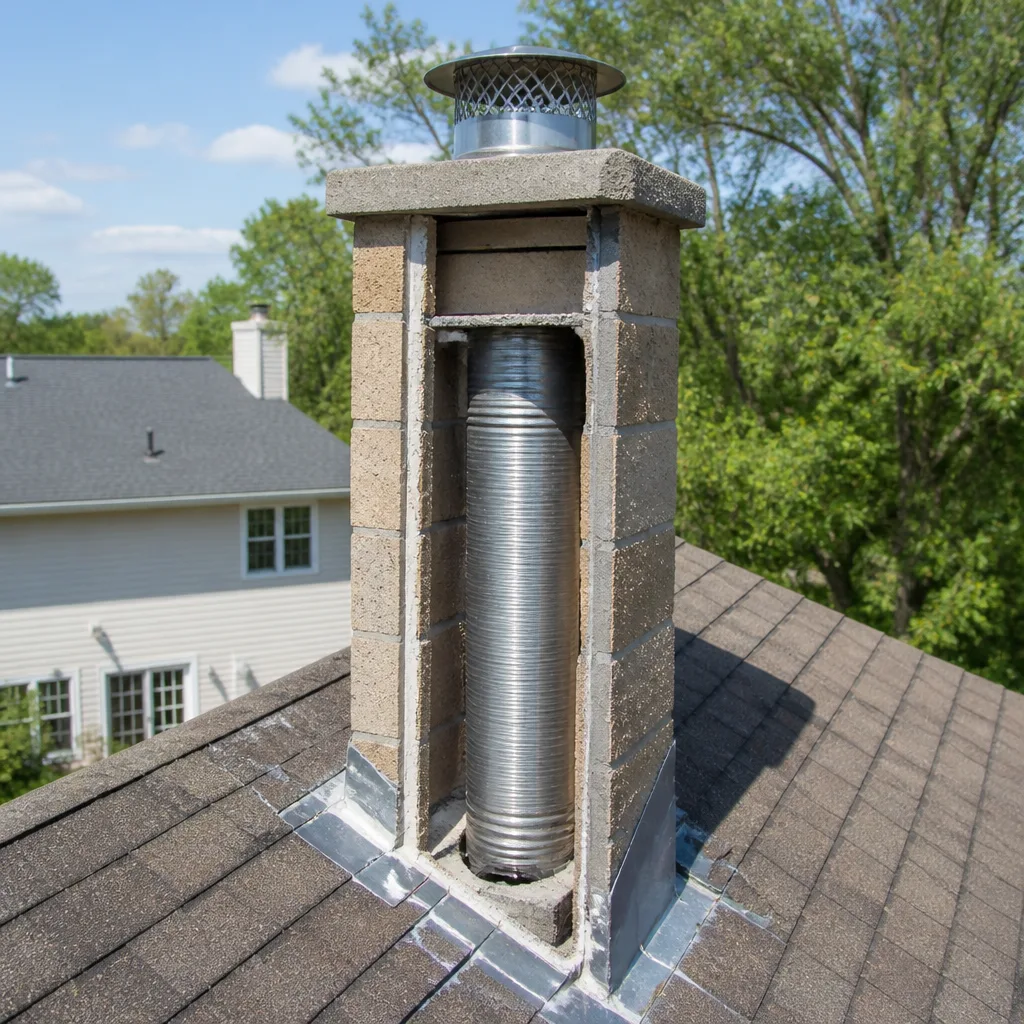 Flue relining
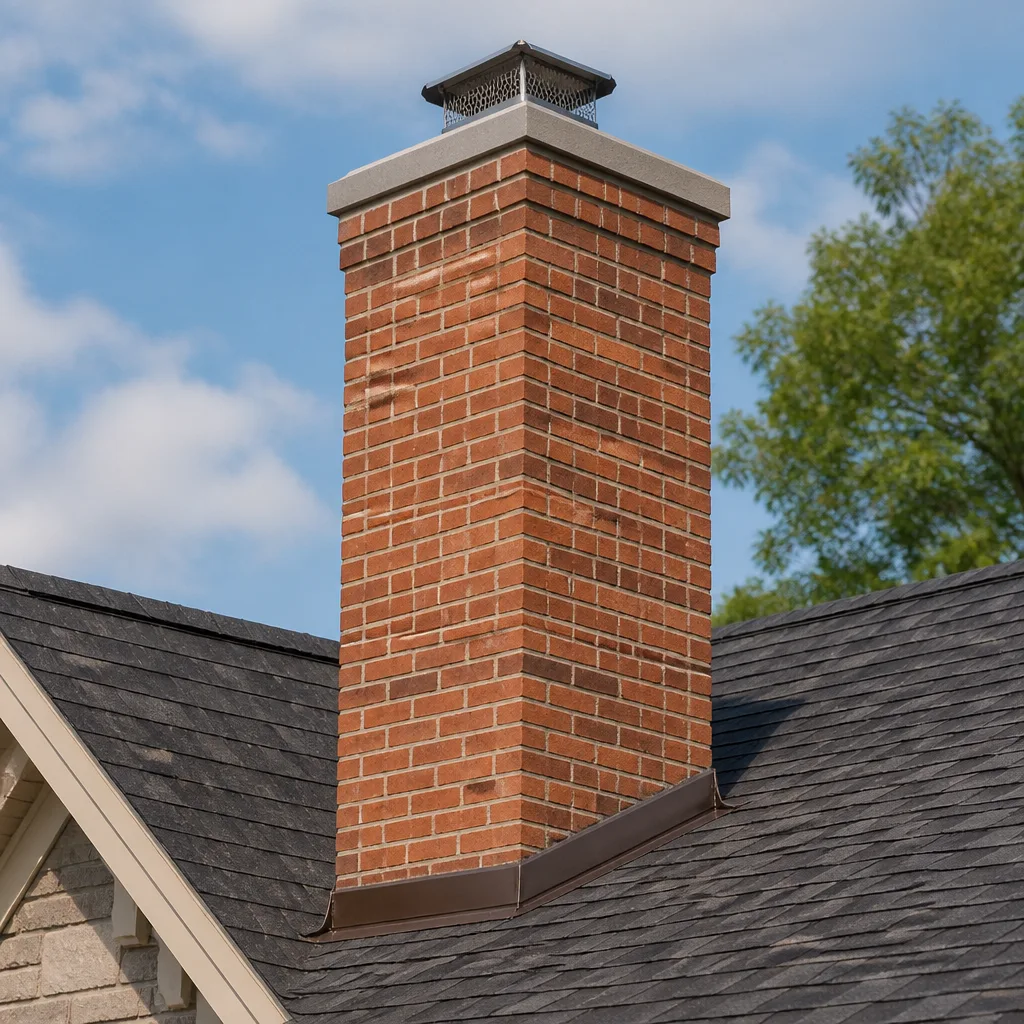 Masonry repair
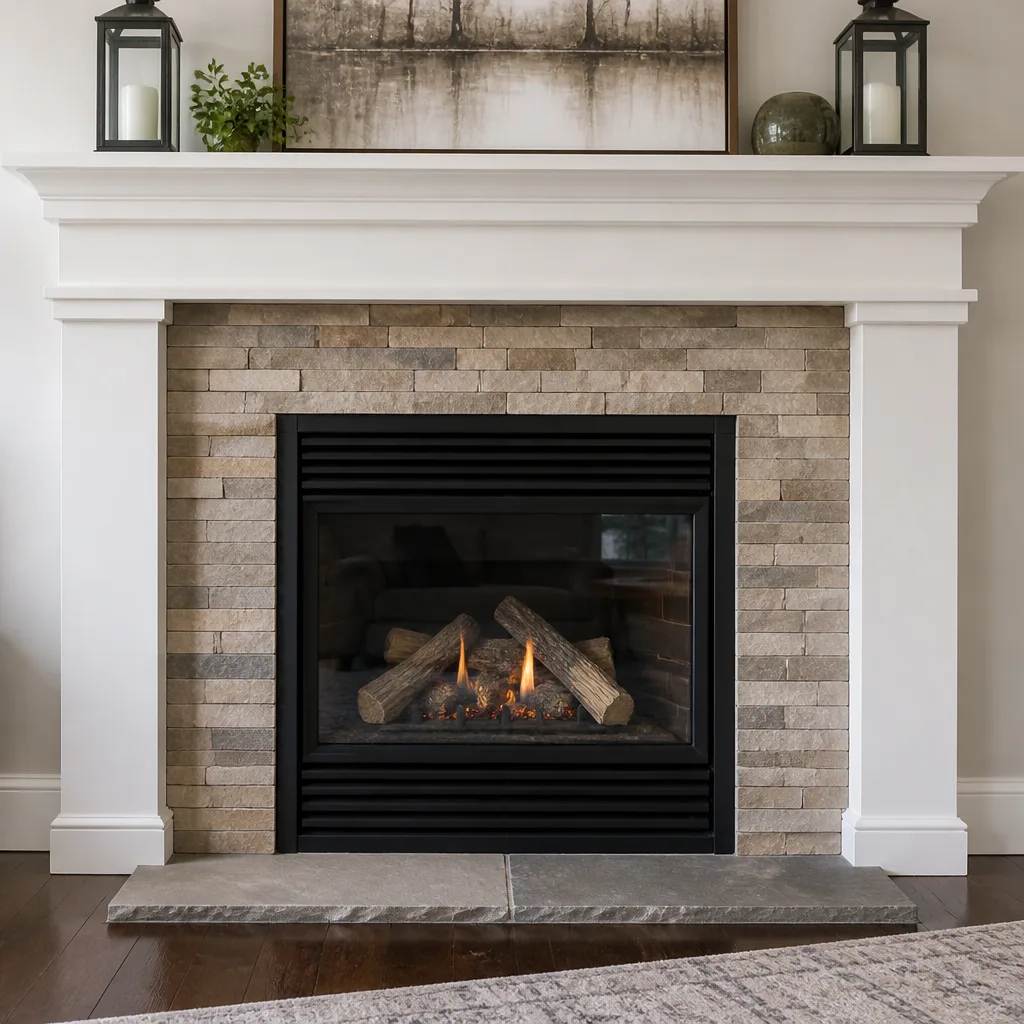 Gas fireplace service
Level 1 sweep and inspection to the NFPA 211 annual standard - flue, crown, cap, and flashing checked and photographed
Chimney sweep logs do not sweep chimneys. They loosen some creosote - which then falls where a brush and vacuum still have to collect it.
The Complete Guide to Chimney Cleaning in Richmond
Most Richmond homeowners use their fireplace fewer than 20 times a year. That’s just often enough to lay down creosote, and not often enough to notice it accumulating. It’s the opposite of what cold-climate advice assumes, where a fire burns daily through winter and the chimney tells you plainly when it needs attention. Here, mild weather lets a flue sit untouched for months, and the slow, uneven burn pattern of an occasional fire is exactly the kind that leaves stubborn deposits behind. This guide covers how chimney cleaning actually works in Richmond, what our fog and damp winters do to a flue between burns, and how to read what a sweep hands you when the visit is done.
Quick Answer
Chimney cleaning in Richmond means sweeping the flue to clear creosote and soot, then inspecting the whole flue system for the corrosion and drafting problems that our damp, mild climate tends to create. Most wood-burning chimneys need sweeping once a year or after roughly a cord of wood, but a low-use fireplace in Richmond often needs it on the yearly schedule regardless of how little it burned. A proper visit ends with a written report: what we found, what it means, and what can safely wait.
Styles & brands we work with
- Sweep & inspection
- Caps & crowns
- Flue relining
- Masonry repair
- Gas fireplace service
Table of Contents
- Why Richmond Chimneys Are Their Own Category
- How Much Does Chimney Cleaning Cost in Richmond?
- Creosote in a Mild Climate: Why Low Use Isn’t Safe Use
- Richmond’s Housing Stock and Its Chimney Failure Points
- What a Complete Chimney Health Inspection Covers
- How to Read a Sweep’s Written Report
- How Often Should You Sweep?
- Why This Isn’t a DIY Job
Why Richmond Chimneys Are Their Own Category
Chimney guidance is usually written for cold, dry places where the furnace runs from October to April and the fireplace earns its keep all winter. Richmond doesn’t work that way. Winters here are mild, fires are occasional, and the chimney spends a lot of the year sitting idle in damp air. That combination produces a different set of problems than a Minnesota flue ever sees.
When a chimney cools down and stays cool, the inside of the flue doesn’t dry out the way it does in a house where fires burn daily. Moisture lingers. Soot and creosote left from the last fire hold that moisture against the flue tile, and over months it works at the masonry and the mortar joints in a slow, quiet way. You won’t smell it and you won’t see it from the living room.
The other half of the picture is the outside of the chimney. Fog rolls through the East Bay and settles on caps, crowns, and flashing. A crown with a hairline crack or a cap that’s lost its screen lets water in, and water is the single most patient destroyer of a masonry chimney. None of this is dramatic. It’s the kind of slow wear you only catch if someone actually looks.
The neighborhood matters less than the age of the house and how the chimney was built. A 1950s masonry chimney near Marina Bay and a 1960s one up in the hills will develop corrosion in the same general ways, because the climate they sit in is shared. This is exactly the reason a Richmond chimney needs a local eye rather than advice copied from a colder region. If you want the service-specific detail, our chimney sweep page lays out what a visit involves.
How Much Does Chimney Cleaning Cost in Richmond?
A standard chimney sweep in Richmond typically runs in the low-to-mid hundreds of dollars, and an inspection plus a sweep usually falls a little above that. Repairs, if the inspection turns any up, are quoted separately and priced per job by a written estimate, so you know the number before anyone starts.
Here’s a rough sense of what the common line items look like. These are typical ranges, not a quote, and the written estimate you get after the inspection sets the final price.
| Service | Typical Estimated Range |
|---|---|
| Standard chimney sweep (wood-burning) | $180 – $320 |
| Level I inspection | $120 – $220 |
| Sweep + Level II inspection combined | $280 – $450 |
| Chimney cap supply and install | $180 – $420 |
| Crown repair | $350 – $700 |
| Flue relining (per linear foot) | $70 – $140 |
A few things push the number up: a wood stove with tight clearances, a flue with a heavy Stage 3 creosote load, a chimney with a steep roof pitch that takes longer to access safely, or a gas insert that needs its own appliance-specific servicing. A straightforward masonry fireplace is usually at the low end.
Our advice is to treat the number as the cost of knowing, not the cost of cleaning. The sweep is the easy part. The inspection is what tells you whether your flue system is sound, and that’s where the real value sits. Estimates are free, so call (866) 361-9755 and we’ll talk through what your chimney likely needs.
Creosote in a Mild Climate: Why Low Use Isn’t Safe Use
It sounds backwards, but a low-use fireplace in Richmond can build dangerous creosote faster than a heavily used one in a cold climate. The reason is how creosote forms. It’s not about how many fires you burn. It’s about how the fire burns and how the flue behaves between burns.
Creosote comes in three stages. Stage 1 is light, flaky soot that a brush clears easily. Stage 2 is glazed, crusty, and hard to remove. Stage 3 is the tar-like glaze that fuels a chimney fire. There’s a specific reason mild-climate chimneys trend toward the later stages:
- Cool flue, incomplete burn. A fire lit in a cold, idle chimney sends smoke up a flue that hasn’t warmed through. That cooler flue surface condenses more of the unburned wood gas, which is where creosote begins.
- Short, occasional fires. A fire that runs an hour and goes out never fully heats the masonry. Long, hot burns are actually cleaner for the flue than many quick, cool ones.
- Long idle gaps. Between fires, the deposits sit and cure. Repeated cool restarts build on what’s already there instead of burning it off.
- Damp wood. Wood that hasn’t dried properly burns cooler and smokes more. In our climate, wood stacked outside can hold moisture longer than people expect.
The practical takeaway is simple. Your Richmond fireplace doesn’t need to be used heavily to need attention. It needs an annual look because the pattern of occasional, cool fires is exactly the pattern that builds the stubborn deposits. Our Juniper Chimney Sweep team can tell you which stage you’re dealing with and what it means for your next burn season.
Richmond’s Housing Stock and Its Chimney Failure Points
Much of Richmond’s housing went up between the 1940s and the 1970s, and that era of masonry chimney has a recognizable set of weaknesses. Knowing what to expect from an older chimney helps you understand what an inspector is looking at.
The most common issues we diagnose in these older masonry chimneys:
- Deteriorated flue tile. Years of moisture and mild acid in the flue cause the clay liner to spall, crack, or lose mortar at the joints. Once a tile cracks, the appliance gases can reach the surrounding masonry, and a liner repair or reline may be needed.
- Cracked or missing crowns. The concrete crown at the top of the chimney is meant to shed water. Many older crowns have cracked from settling and exposure, and every crack is a path for rain and fog to get into the masonry.
- Failing mortar joints. The mortar holding the chimney together erodes over decades. Rebuilding the joints, called repointing, is often needed long before the chimney brick itself fails.
- No cap or a rusted cap. A missing or degraded cap lets water and animals straight into the flue. A good stainless cap solves both problems, and it’s one of the cases where chimney repair is genuinely quick and worthwhile.
- Outdated dampers and firebox wear. An old throat damper that no longer seals lets conditioned air escape when the fireplace is off, and a worn firebox is a common source of cracking.
None of these fail overnight. They fail slowly and quietly in the damp between burns. The value of an inspection is that it catches them while they’re still small repairs. On the liner side, we can rehabilitate a deteriorating flue tile without a full teardown using HeatShield, an EPA-recognized liner restoration system, which keeps a failing liner from turning into a demolition job.
What a Complete Chimney Health Inspection Covers
Cleaning without inspection misses half the problem. The sweep clears the flue; the inspection checks everything the flue connects to. A chimney is a system, and a clean flue with a cracked crown still lets water in and a clean flue behind a failed cap still has an open door for weather and wildlife.
A complete inspection covers four areas:
- The flue and liner. Whether the tile is intact, whether the joints hold, and whether the flue is sized correctly for the appliance. In an offset or aged flue, a flexible stainless liner system may be the right fix.
- The crown and cap. The top of the chimney is where water gets in, so the crown, cap, and screen get close attention. This is also where we check for a properly fitting Olympia Chimney cap if a replacement is warranted.
- Flashing. The metal that seals where the chimney meets the roof can fail and let water travel into the attic or interior. We check the seal, not just the masonry.
- The firebox and damper. The firebox is the working end of the system. We look at the firebox walls, the damper, and the smoke chamber for cracking or wear that would make a fire unsafe.
Inspection levels matter too. A Level I inspection is visual and appropriate for a routine annual check. A Level II inspection uses a camera to look inside the flue and is required if there’s been a chimney fire, a change to the appliance, or a property sale. A CSIA certified sweeps’ standard is the benchmark you want the inspector working to. If you’re not sure which level you need, we’ll tell you honestly, and we won’t recommend a camera inspection you don’t need.
How to Read a Sweep’s Written Report
The written report is where you find out whether you have a diagnosis or a sales pitch. A real diagnosis tells you what was found, where, and what it means, in a way you can check for yourself. A sales pitch tells you what you need and skips the evidence.
Here’s how to read what you get handed:
- Look for specific findings. “Liner tile has three cracked joints at the 6-foot mark” is a finding. “Your liner is bad” is not. A good report names what and where.
- Expect photos or camera footage. If a liner or repair is being recommended, you should see the evidence. Camera inspection with a photo report means you’re not taking our word for it.
- Separate the urgent from the eventual. A sound report tells you what’s unsafe now and what can safely wait. A cracked crown is often a “fix it soon” item. A whole reline may not be urgent if the flue still drafts correctly.
- Match the recommendation to the material. If a repair is recommended with a specific product, the report should tell you what and why. We work with professional-tier components from DuraFlex, Gelco, Famco, and Olympia Chimney, and we specify which one fits the flue and why.
- Check that you’re not being pushed on a first visit. If what we find can wait, we’ll say so. That’s the whole point of a diagnosis rather than a sales call.
Our promise on the report is simple. We tell you what we found and what it means, we show you the evidence, and we say plainly when work can safely wait. Nothing gets recommended because it’s convenient.
How Often Should You Sweep?
The short answer: once a year for most wood-burning chimneys, or after about a cord of wood, whichever comes first. In Richmond, that once-a-year rule holds even for a fireplace you only light a few times a month, because a low-use flue builds deposits faster than many people assume.
The chimney industry’s rule of thumb is that a chimney needs attention when there’s an eighth of an inch of deposit on the flue walls. A true eighth of an inch is more than most people picture. The same rule applies everywhere, but the timeline differs by climate and by use.
Some specific situations change the recommendation:
- Wood stove or insert: sweep annually, and pay close attention to the burn pattern, because a stove runs hotter and can glaze deposits more quickly.
- Gas insert: gas burns clean, but the appliance still vents, and its venting should be checked annually for water intrusion and any obstruction.
- After a chimney fire: a Level II inspection with a camera is required, no exceptions, because a fire can damage tile in ways a visual check won’t catch.
- Before a home sale: buyers and their inspectors expect a Level II inspection, and a clean report protects both sides.
- After a storm or high wind: a cap or crown can take damage, so a visual check is worth it.
One more thing. The seasonal timing matters. Sweeping before the burn season starts means a clean flue for the burns ahead. Scheduling it in the damp months means we catch moisture problems while they’re still small. Either works, but an annual slot keeps the whole system on a schedule instead of reactive.
Why This Isn’t a DIY Job
A chimney is genuinely dangerous work. There are two real hazards, and neither is worth taking on with hand tools and a ladder. This is a case where the right answer is a trained professional, not a weekend project.
The first hazard is creosote. Stage 2 and Stage 3 deposits are flammable and can ignite inside the flue. Sweeping the wrong way, or hitting a glazed deposit with the wrong tool, is how an amateur turns a dirty chimney into a chimney fire. The second hazard is access. Chimney work usually means being on a roof, sometimes a steep one, and a fall is a serious injury. These are the reasons we recommend an annual professional sweep rather than a homeowner attempt.
The work itself looks simple: brush the flue, sweep the firebox, inspect the whole system. But each step depends on knowing what you’re looking at, what to leave alone, and how to read the signs a trained eye sees and a homeowner doesn’t. Our technicians have up to 13 years of experience, and they work to the CSIA standard because the diagnosis is the point, not just the cleaning.
What we can do from the other side: make the annual visit easy to book, show you the evidence, and give you a written report you can understand. That’s a better return than a Saturday on the roof with a borrowed brush.
Common Mistakes to Avoid
- Waiting for a problem before booking the first sweep. A chimney rarely announces itself. By the time there’s a smell, a draft issue, or discoloration, the deposit or moisture damage has usually been building for a season or two. The annual sweep exists to catch what you can’t see.
- Assuming a low-use fireplace is a safe one. In Richmond, that’s the misconception most worth unlearning. Occasional cool fires are exactly what builds Stage 2 creosote faster than a daily cold-climate burn, so “we barely use it” is a reason to sweep, not a reason to skip.
- Burning damp or unseasoned wood. Dry wood burns hotter and cleaner. Damp wood burns cool and smokes, which lays down more creosote and holds moisture in the flue. It’s one of the easiest mistakes to fix.
- Skipping the crown and cap while focusing only on the flue. A clean flue with a cracked crown is still a water-damaged chimney, and water does more long-term damage to a masonry chimney than soot. The top of the chimney is where water gets in, so it deserves attention.
- Getting a cleaning from someone who can’t do the repair. A sweep-only crew can find damage but can’t fix it, so you’re handed a problem and a second phone call. Choosing one company for both diagnosis and repair keeps it accountable to one party.
- Ignoring a first visit’s report because it feels like a sales pitch. A good report gives you evidence, not pressure. If the recommendation comes with camera photos and a plain explanation of what can wait, it’s a diagnosis. If it doesn’t, ask for the evidence before signing anything.
- Letting a gas insert go unchecked because it “doesn’t burn wood.” Gas appliances still vent, and their venting can collect water and debris just as a wooden-burning flue can. The annual check applies to all chimney appliances.
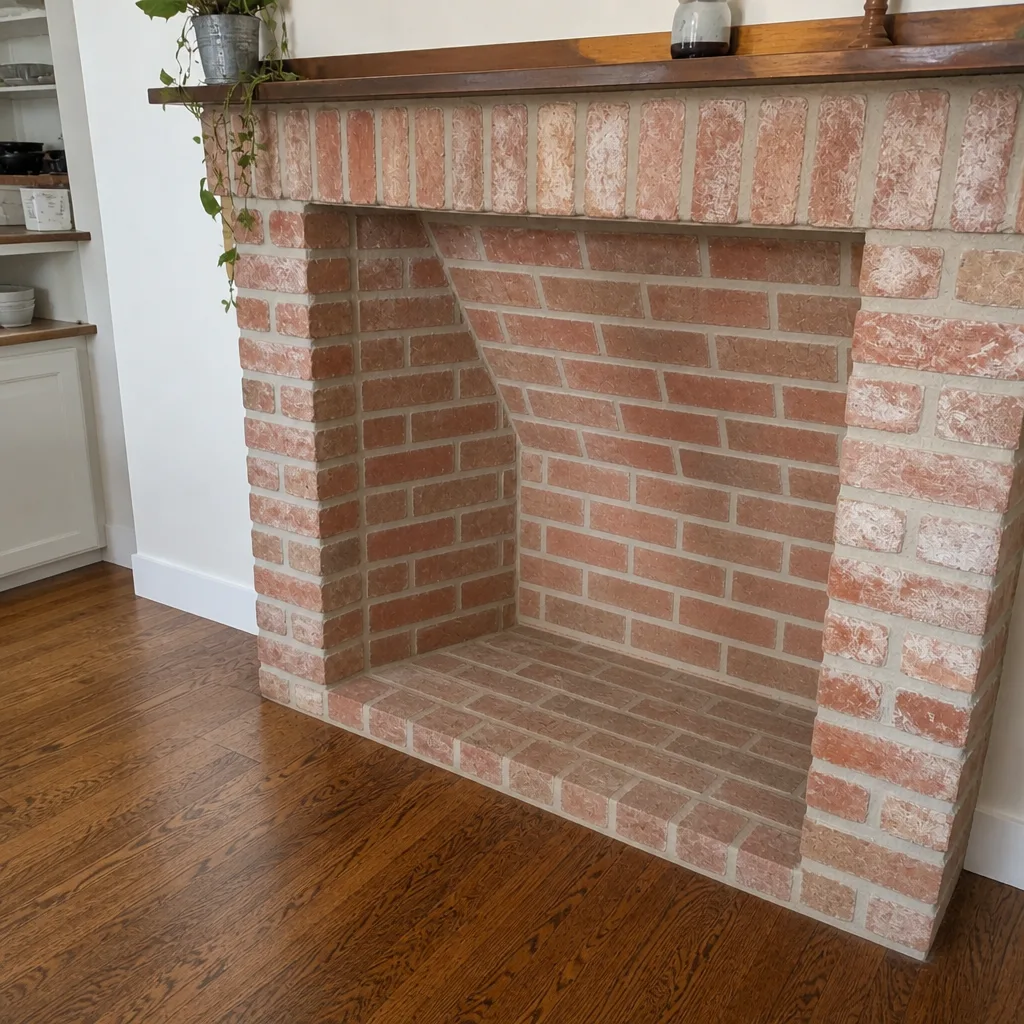
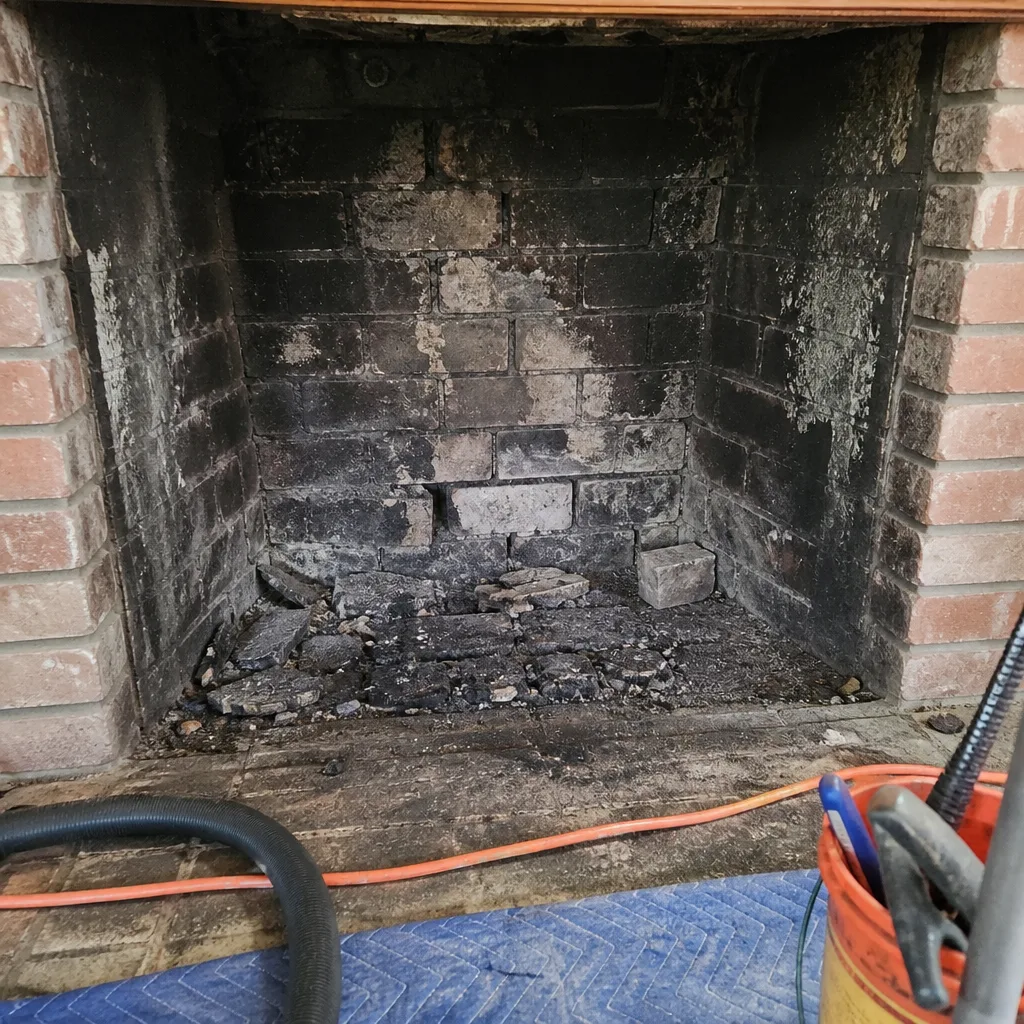
See the difference
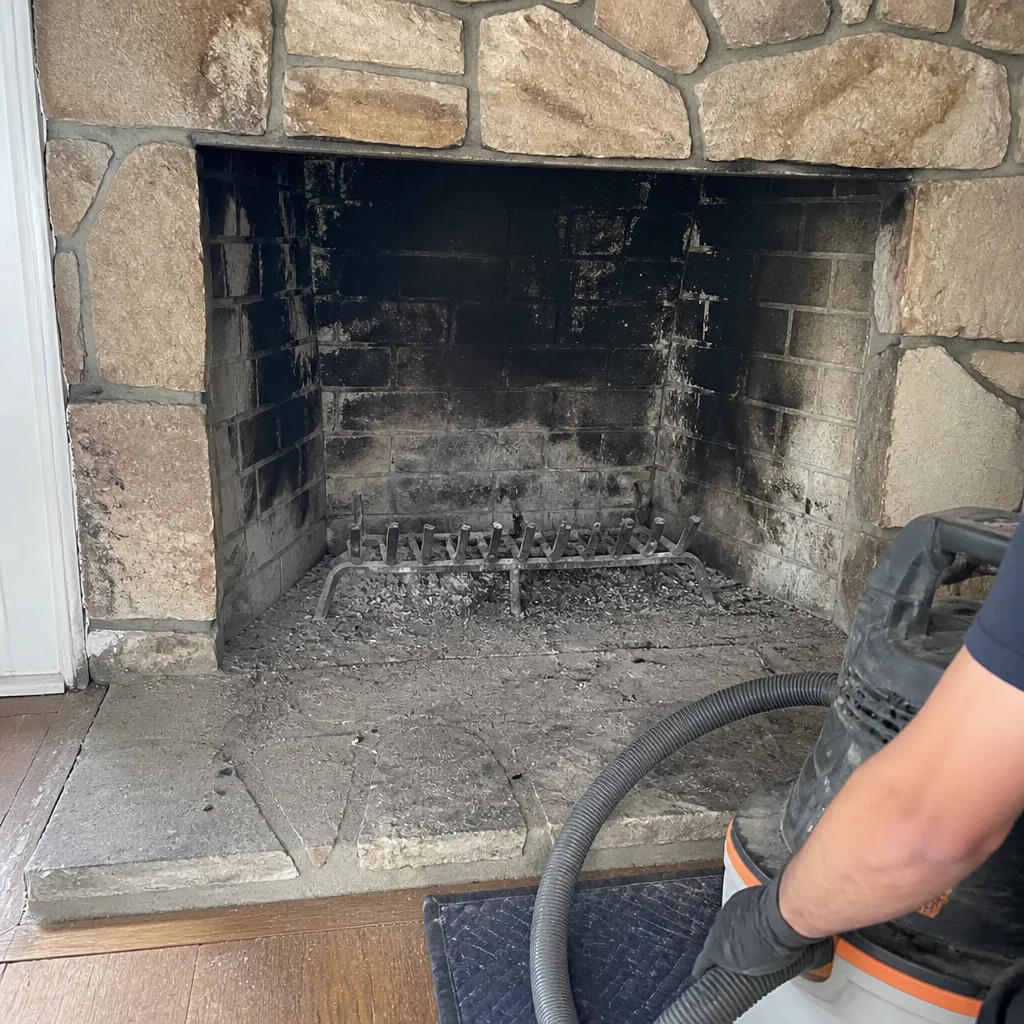 Before
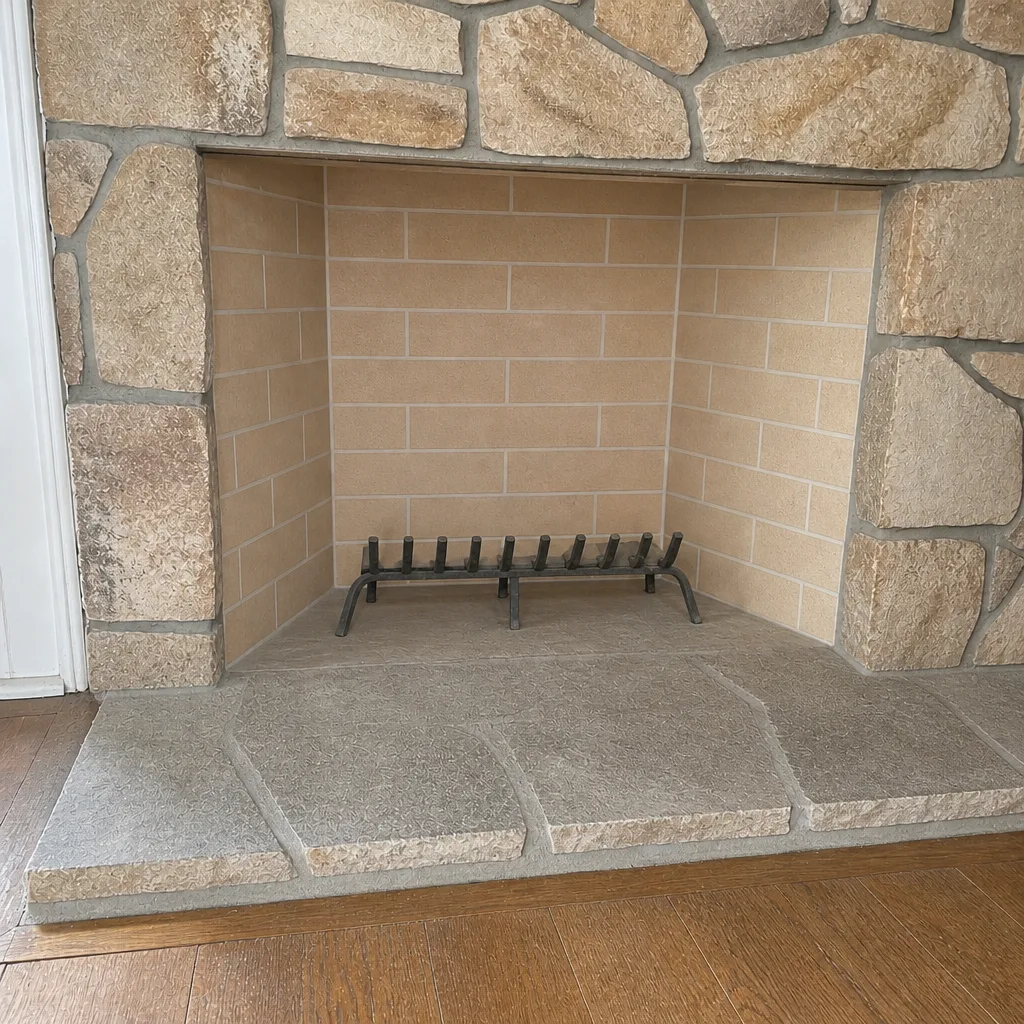 After
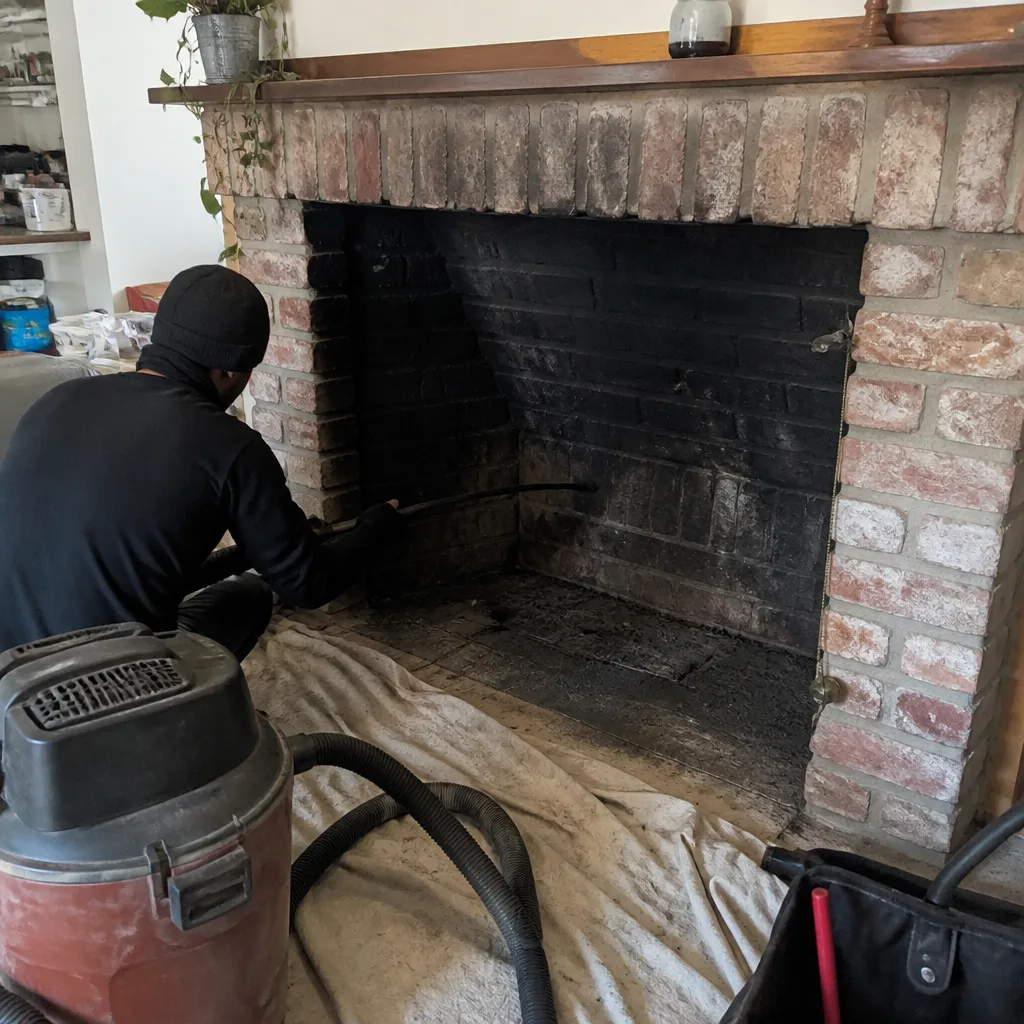 Before
 After
 Before
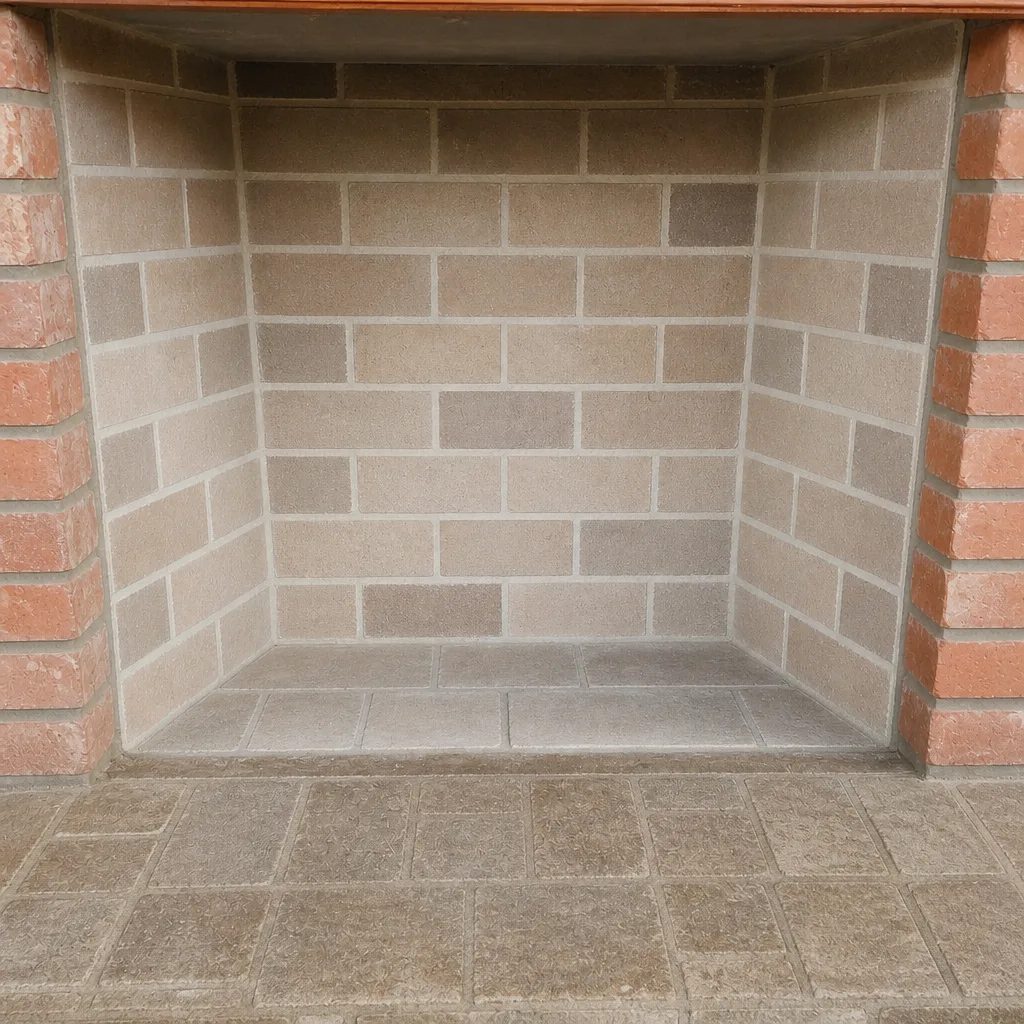 After
When to Call a Professional
A chimney needs a professional when the smoke or draft changes, when there’s an odor from the fireplace when it’s off, when you see staining or discoloration on the chimney or nearby ceiling, when a cap or crown looks damaged, or after any chimney fire, however small it seemed. In a Richmond home, an annual sweep covers most of those cases before they happen. If you’ve never had the chimney looked at, or you’ve just moved into a home with a fireplace you don’t know the history of, that’s a good reason to book an inspection.
Juniper Chimney Sweep offers free estimates in Richmond, and we find it and fix it in the same visit when possible. Call (866) 361-9755. We answer 24/7. Fast dispatch from 7am to 7pm, Sunday through Friday.
Frequently Asked Questions
A standard sweep typically costs somewhere in the low-to-mid hundreds of dollars, with an inspection adding to that, and the written estimate sets the final price. A simple masonry fireplace usually sits at the low end, while a wood stove or a heavy deposit load sits higher. Call (866) 361-9755 for an exact quote – estimates are free.
Not always, and a good inspector will tell you when you don’t. A liner is recommended only when the camera evidence shows cracked or deteriorated tile that lets gases reach the surrounding masonry, or a flue that no longer drafts correctly. When the tile is intact, we’ll say so. If a repair is warranted, we can restore a deteriorating flue with HeatShield liner restoration instead of tearing it out.
Once a year for most wood-burning chimneys, or after about a cord of wood burned, whichever comes first. In Richmond’s mild climate, that yearly check matters most for a low-use fireplace, because occasional cool fires build creosote faster than many people expect. Call (866) 361-9755 to book your annual slot.
Creosote keeps accumulating, and the flue’s draft gets less reliable, which can lead to a chimney fire or, worse, carbon monoxide backing into the home if the venting fails. On the outside, moisture from our fog and damp winters works on the crown, mortar, and flashing season by season. Skipping once isn’t a disaster, but skipping repeatedly is how small repairs become big ones. Call (866) 361-9755 and get an honest read on where yours stands.
Yes, in a couple of specific ways. Richmond’s mild, damp climate lets a flue sit cool and damp between burns, which encourages both creosote buildup and slower liner corrosion, and the 1940s – 1970s masonry common in the city has predictable failure points. A sweep who works locally and is trained on those patterns is worth choosing. We’re happy to walk you through what we look for.
Often, yes, for the smaller repairs. A cap replacement or a small crown repair can typically be handled in one visit, while a reline or larger repair takes planning and a written estimate. The point is that one company owns both the diagnosis and the repair, so nothing gets handed off. Call (866) 361-9755 to talk through your situation.
The Bottom Line
Chimney cleaning in Richmond is annual maintenance for a system that sits in damp, mild air most of the year, not a chore for the rare week a fire is lit. Low use doesn’t make a flue safe; it makes creosote and moisture damage easier to miss. The right visit clears the flue and inspects the crown, cap, flashing, and firebox, then hands you a written report with evidence you can check. If you want a diagnosis rather than a cleaning crew, and a fix done by the same company that found the problem, that’s the whole reason we do all three services. Call (866) 361-9755 for a free estimate. We answer 24/7. Fast dispatch from 7am to 7pm, Sunday through Friday.
Written by the team at Juniper Chimney Sweep.