
Last updated November 15, 2026
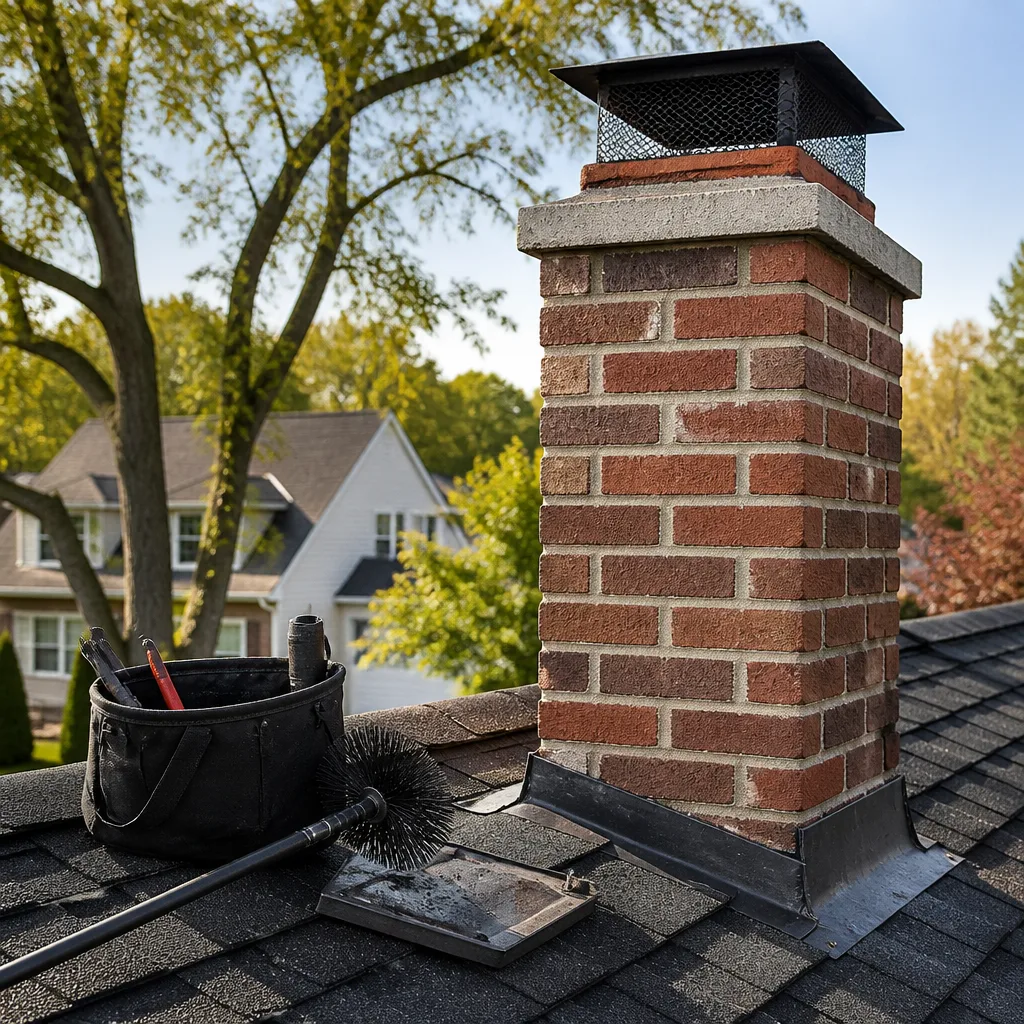 Sweep & inspection
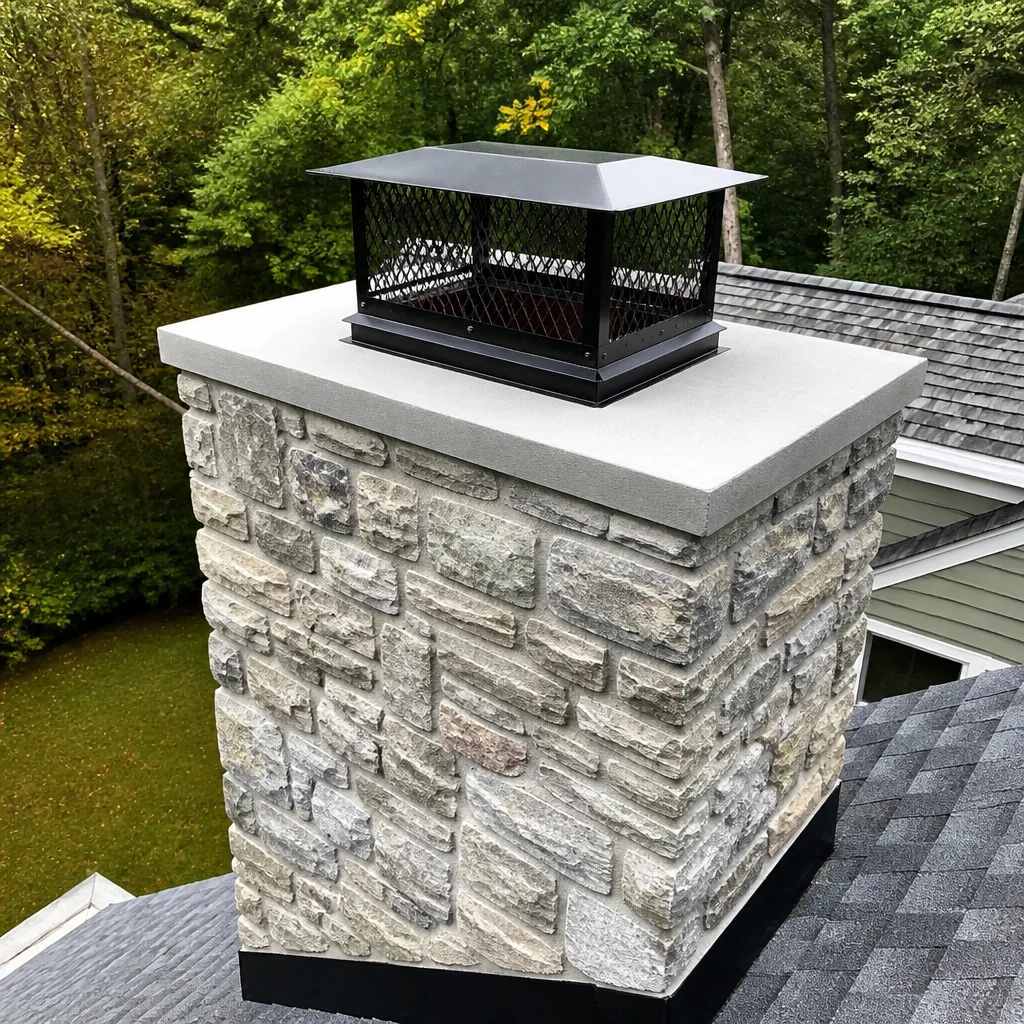 Caps & crowns
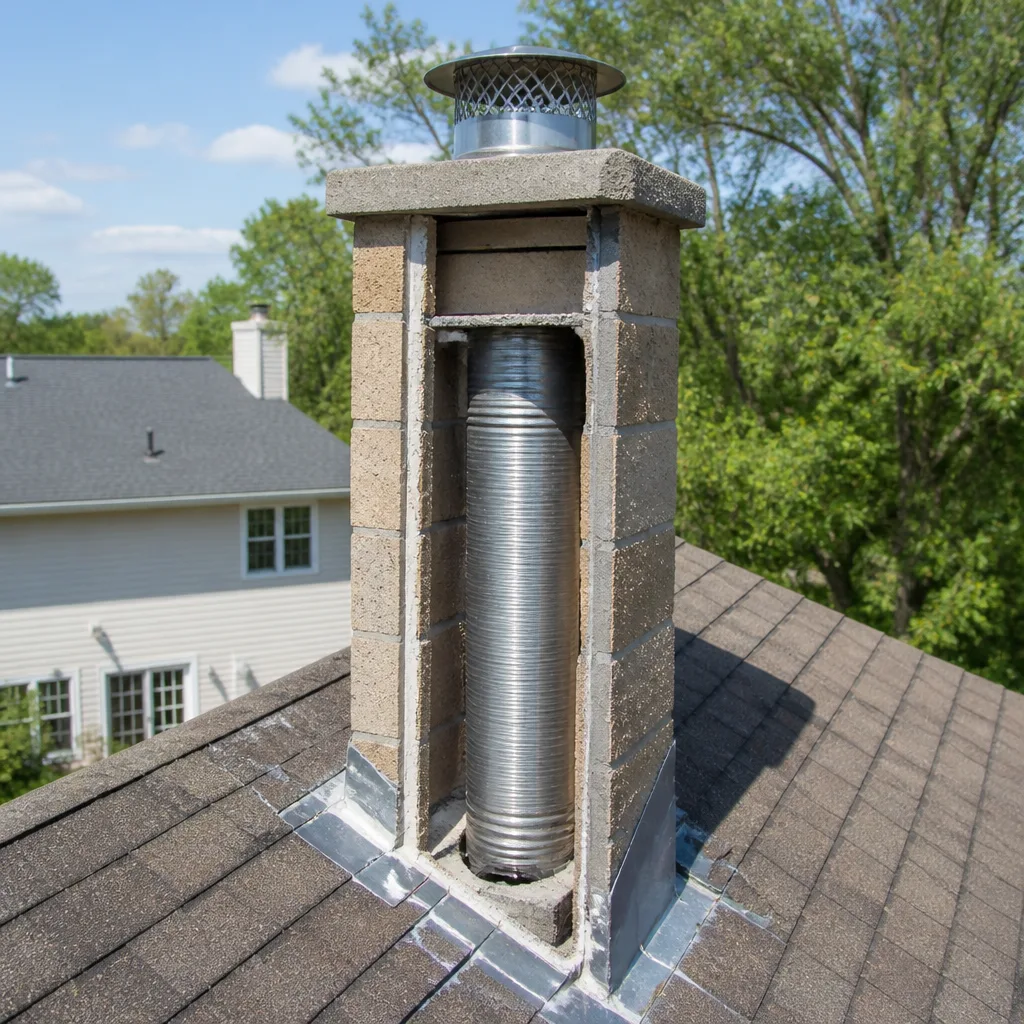 Flue relining
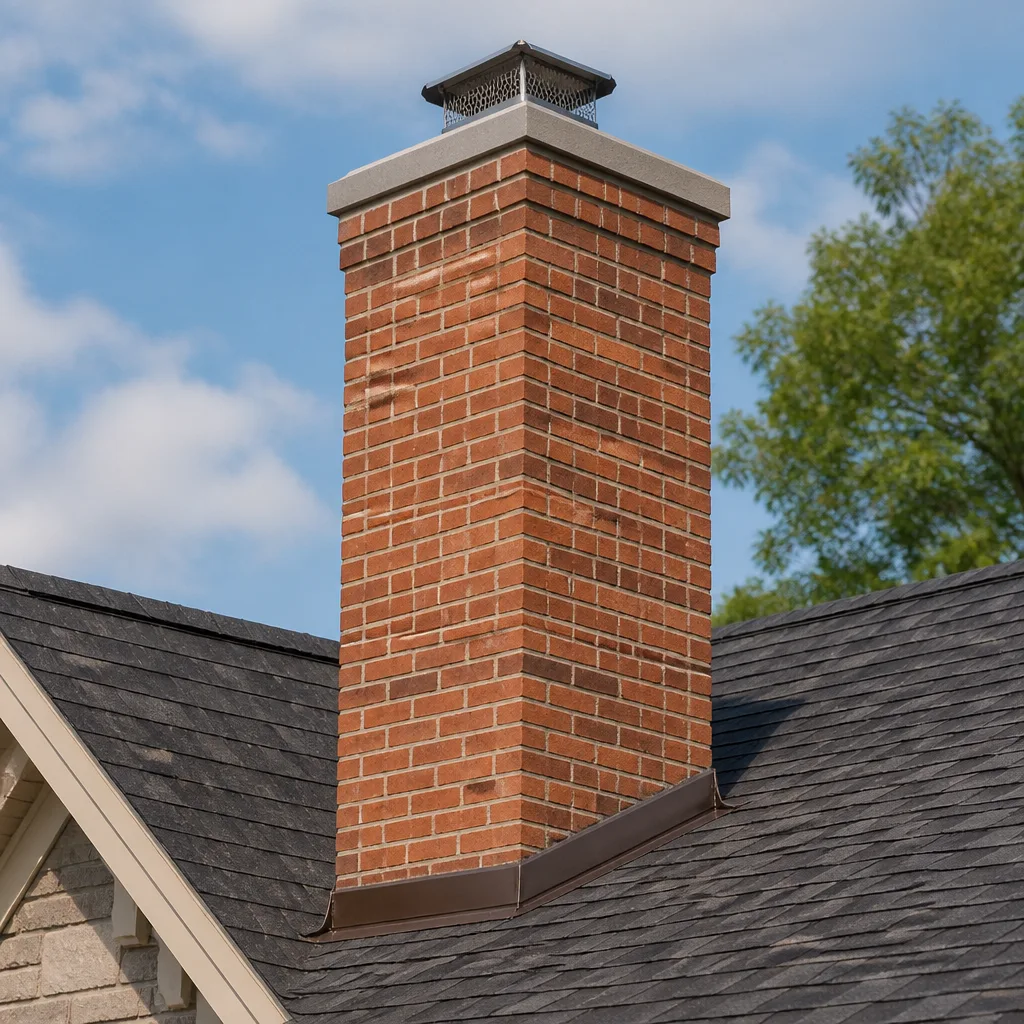 Masonry repair
 Gas fireplace service
Level 1 sweep and inspection to the NFPA 211 annual standard - flue, crown, cap, and flashing checked and photographed
Chimney sweep logs do not sweep chimneys. They loosen some creosote - which then falls where a brush and vacuum still have to collect it.
DIY vs Professional Chimney Cleaning: The Richmond Homeowner’s Decision Guide
A homeowner with a chimney brush, the right rods, and a free afternoon can physically clean a flue. That part is true, and pretending otherwise would be dishonest. What that same homeowner can’t do is know whether the liner behind the flue is cracked, the crown is channeling water into the mortar, or the creosote they just removed was sitting on top of a Stage 2 deposit that glazed itself to the tile years ago. Cleaning and diagnosing are two different jobs that happen to share the same ladder. This guide is about making an honest call between them in Richmond, where a lot of the housing stock makes that distinction matter more than it does in newer parts of the Bay Area.
Quick Answer
DIY chimney cleaning is reasonable for a young, sound chimney with light use, no prior problems, and a recent professional inspection on record. Professional cleaning is the right call when the chimney is older masonry, when you’ve never had it inspected, when you burn heavily, or when anything about the flue system is unknown. The real dividing line isn’t whether you can push a brush through a flue. It’s whether anyone qualified has confirmed that brushing is all the chimney needs.
Styles & brands we work with
- Sweep & inspection
- Caps & crowns
- Flue relining
- Masonry repair
- Gas fireplace service
Table of Contents
- What DIY Cleaning Actually Accomplishes
- What DIY Cleaning Cannot Assess
- When DIY Is a Reasonable Choice
- When DIY Is Genuinely Risky
- The Equipment Gap: Kits vs Professional Tools
- Why Richmond’s Older Homes Change the Math
- The Hybrid Approach That Works
- How a Professional Sweep Actually Goes
What DIY Cleaning Actually Accomplishes
Let’s be clear about what a brush and rods do well, because a fair comparison starts there. A basic sweep removes loose soot and soft, flaky creosote from the flue walls. If your chimney is in decent shape and you burn dry wood in a fireplace that sees moderate use, that removal is genuinely the bulk of the cleaning task. The physics are simple: a properly sized brush on flexible rods, worked from the top down or bottom up, scrapes the flue walls and drops the debris into the firebox for vacuuming.
Here’s what a competent DIY cleaning gets you:
- Removal of soft, brushable creosote. The fluffy, flaky stage that builds up with regular burning comes off with a brush.
- Soot clearing. The fine black powder that coats the flue after a season of fires is easy to brush away.
- A visual look at the firebox and damper area. You’ll see the firebox, the smoke shelf, and part of the damper from below.
- Debris clearing from the smoke chamber floor. Some of the fallen material collects where you can reach it.
That’s a real list. It’s not nothing. For a homeowner who knows their chimney’s history, who had it inspected recently, and who burns a cord or two of seasoned wood a year, a between-inspection brush cleaning is a defensible piece of maintenance. We’ll come back to that hybrid approach later because it’s the honest middle ground.
What that list doesn’t include is any judgment about condition. A brush doesn’t tell you whether the flue tile it just scraped is sound. It doesn’t measure the creosote depth in the upper flue where your eye can’t reach from the firebox and your body shouldn’t go. And it doesn’t know the difference between a chimney that’s clean and a chimney that’s safe.
What DIY Cleaning Cannot Assess
This is the heart of the decision, and it’s where most online DIY guides go quiet. A cleaning is a maintenance act. An inspection is a diagnostic act. When you clean your own chimney, you perform the first and skip the second, usually without realizing you’ve done it.
Consider what a trained eye checks that a brush cannot:
- Liner integrity. Cracks, spalling, gaps at the joints, and missing mortar between flue tiles are invisible from the firebox. A cracked liner lets heat and combustion gases reach the surrounding framing, and it’s one of the most common serious findings in older chimneys.
- Creosote stage. Stage 1 creosote is flaky and brushes off. Stage 2 is tar-like and clings. Stage 3 is glazed and hard, and it doesn’t come off with a standard brush at all. A homeowner brushing a Stage 3 flue may think they’ve cleaned it because the brush passed through.
- Crown and flashing condition. The crown is the concrete cap at the top of the chimney. Cracks there let water into the masonry, and water damage is the slow killer of Richmond chimneys. Flashing where the chimney meets the roof is another leak point you won’t see from inside.
- Obstructions. Bird nests, leaves, and collapsed tile can block a flue. A brush may push past a partial obstruction or, worse, lodge against it.
- Draft and venting performance. Whether the flue is sized and configured to vent your appliance properly is a system question, not a cleaning one.
- The smoke chamber. The sloped area above the damper is where creosote collects and where many chimney fires start. It’s rarely visible from below and needs proper tools and light to assess.
In our experience, the most common scenario we find is a homeowner who has cleaned their own chimney for years, done a decent job of the brushable deposits, and never learned that the liner behind those deposits had been deteriorating the whole time. The cleaning wasn’t wrong. It was just incomplete, and nobody told them the difference.
When DIY Is a Reasonable Choice
We’re not going to tell you DIY cleaning is always a mistake, because it isn’t. There are genuine scenarios where a homeowner brushing their own flue between professional inspections is sensible, economical, and safe. The key is that those scenarios all share one feature: the chimney’s condition is already known.
DIY cleaning makes sense when all of these are true:
- The chimney is relatively young or recently rebuilt. Newer masonry or a modern stainless liner has fewer unknowns than a century-old flue.
- You burn lightly. A few fires a month in season, not a wood stove running as primary heat.
- You have no prior issues. No history of chimney fires, no known cracks, no water intrusion, no draft problems.
- You’ve had a professional inspection recently. This is the load-bearing condition. If a qualified inspector looked at the flue system and confirmed it’s sound, you’re cleaning a known-good chimney.
- You’re burning seasoned, dry wood. Wet wood produces far more creosote, which changes the cleaning math considerably.
- You know what you’re looking at from the firebox. You can tell the difference between normal soot and something that looks wrong.
If that list describes your situation, a brush and rods are a reasonable tool and we won’t pretend otherwise. The inspection on record is what makes it reasonable. Without that, you’re cleaning blind, and blind cleaning is where the trouble starts.
When DIY Is Genuinely Risky
Now the other side. Some chimneys should not be brushed by a homeowner, and the reason is usually that the act of cleaning can damage or disturb something already compromised. This is where a lot of generic DIY advice fails Richmond specifically, and we’ll get to why in a moment.
Call a professional instead of DIY cleaning when:
- The chimney has never been inspected. You don’t clean a chimney you’ve never had looked at. You inspect it first, then clean.
- You burn heavily or use a wood stove as primary heat. Heavy use builds creosote faster and reaches stages a brush can’t handle.
- You’ve had a chimney fire, even a small one. A chimney fire can crack the liner and damage the mortar in ways that aren’t visible. Cleaning before assessment risks spreading the problem.
- There’s visible damage. Cracked tiles, loose mortar, a spalling crown, or rust on a metal liner all mean stop and assess, not clean.
- The flue is offset or complex. A flue that bends or has non-standard geometry is harder to clean properly and easier to damage with the wrong brush.
- You smell creosote or smoke in the house when the fire isn’t lit. That’s a draft or venting issue, not a cleaning issue, and it needs diagnosis.
- The chimney is very old masonry. Richmond has a lot of these, and disturbing a deteriorating liner during cleaning can accelerate its failure.
Notice that most of these are about the assessment, not the act. The cleaning itself is rarely dangerous. The danger is in cleaning a chimney that needed inspection first and never got it.
The Equipment Gap: Kits vs Professional Tools
A basic DIY chimney cleaning kit costs somewhere in the range of a decent power tool, and a good one costs about what you’d pay for a single professional sweep with an inspection. The tools themselves work. The gap isn’t in whether the brush scrapes the flue. It’s in what the tools let you see and where they let you reach.
A typical homeowner kit includes:
- A polypropylene or wire brush sized to the flue
- Flexible fiberglass rods, usually 15 to 25 feet
- A hand-pump or shop vacuum for debris
- Sometimes a small mirror and a work light
What professional work uses that a homeowner kit doesn’t:
- A camera inspection system. A chimney camera reaches up the flue and shows the liner’s interior on a screen. This is the single biggest gap. It’s how you see cracks, gaps, and creosote stages that no brush-and-mirror setup can reveal.
- Rods of the right length and stiffness for the flue. A 25-foot kit doesn’t clean a 30-foot flue, and stiff rods in the wrong hands can damage tile.
- HEPA-grade vacuums. Professional vacuums capture fine soot at the source. A shop vac with a standard filter blows the finest particles back into the room, which is a health issue and a mess.
- Specialty tools for the smoke chamber and damper area. The areas most prone to creosote buildup are the hardest to reach with a basic kit.
- Access equipment for the roof and cap. Getting to the top safely, and getting the cap off without breaking the seal, is its own skill.
Here’s the thing about that camera. It’s not a sales gadget. It’s the tool that closes the diagnostic gap the whole DIY debate is really about. When we run a camera up a flue, we find what the brush leaves behind: hairline cracks, gaps at the tile joints, washed-out mortar. None of it shows up in a mirror from the firebox, and none of it comes off with a brush.
If your flue system has aged into the point where a liners needs attention, that’s a different scope of work. A flexible stainless system like DuraFlex lets us reline a deteriorated or offset flue without a teardown, and a restoration product like HeatShield can rehabilitate failing tile in cases where a full reline isn’t necessary. We supply and install these from the same makers the trade specifies, which matters when the repair has to last as long as the chimney does.
Why Richmond’s Older Homes Change the Math
Richmond is not a uniform city, and the housing stock is the reason this decision plays out differently here than it might in, say, a newer suburb. Large parts of Richmond were built in the early and mid-twentieth century, and a lot of those homes still have their original masonry chimneys. Original isn’t a bad word. But original means a flue that has had many decades of heating and cooling, many decades of moisture exposure, and often many decades of deferred maintenance.
That matters for a specific reason. In an older masonry chimney, the flue tile can be sound for brushing while the mortar between tiles has started to fail, or the tile itself has hairline cracks that don’t show from below. A homeowner cleaning that flue is working a brush against a liner that’s already compromised. The brush isn’t the cause of the failure, but the cleaning can disturb loose material, and the homeowner walks away believing the chimney is clean and sound when only one of those is true.
Add Richmond’s mild, wet winters to the picture. Water is the most persistent enemy of masonry in this climate. A cracked crown or failing flashing lets rain into the structure, where it freezes at the surface in the occasional cold snap and works the mortar loose over time. A homeowner sweeping from the firebox never sees the crown. An inspector does, every time.
Then there’s the neighborhood-level reality. Richmond’s older homes cluster, and a chimney that’s been quietly leaking for years is a common find whenever we’re working in the established parts of the city. None of this means every Richmond chimney is failing. It means the base rate of hidden problems here is high enough that the “I’ll just clean it myself” decision deserves more caution than it might elsewhere.
You can read more about the specific services we offer across the city on our Richmond page.
The Hybrid Approach That Works
Here’s the approach we actually recommend to most Richmond homeowners, and it’s the one the binary DIY-vs-pro framing misses. You don’t have to choose between cleaning your own chimney forever and paying a professional every season. You can split the work by what each party is actually good at.
Here’s the hybrid model:
- Start with a professional inspection. Before any cleaning, have the flue system assessed and photographed. This establishes the baseline: what condition the chimney is in and what it needs.
- Let the professional do the first cleaning. The first sweep on a chimney of unknown history is also the inspection that confirms it’s sound. Get the camera evidence.
- Do light DIY maintenance between inspections. If the chimney is confirmed sound and you burn lightly, brush cleaning between professional visits is reasonable. It keeps the creosote from building between inspections.
- Book a professional inspection at a sane interval. How often depends on use. A light-use fireplace might need inspection every couple of years; a heavily used one more often. The inspection interval is the thing you don’t stretch.
- Stop DIY the moment anything looks wrong. A new crack, a smell, a draft change, or a chimney fire means the DIY pause button, not another brushing.
This model keeps costs reasonable without skipping the diagnostic layer, which is the only layer that actually protects you. The cleaning is seasonal maintenance. The inspection is the safety work. Keeping them separate in your mind is the whole trick.
How a Professional Sweep Actually Goes
If you’ve never had a professional sweep, the process is less mysterious than it sounds. Here’s what a visit actually involves, so you know what you’re paying for and can tell a thorough job from a quick one.
- Protection and setup. Drop cloths over the hearth and surrounding floor, and a HEPA vacuum connected to the firebox to contain soot.
- The cleaning itself. Brushes sized to the flue, worked through the full run of the flue, with the debris captured in the vacuum. The smoke chamber and damper area get attention too, because that’s where creosote collects.
- Inspection with a camera. The flue gets looked at properly, with photos you can see. This is the step that separates a real sweep from a brush pass.
- The report. A clear account of what was found and what it means. If there’s a liner issue, you’ll see the evidence, and you’ll hear whether it needs attention now or can safely wait.
- The fix, if there is one. This is where a full-service company differs from a cleaning-only crew. When the sweep and inspection turn up a repair, the same company can do the work: a HeatShield liner restoration, a DuraFlex reline, a new cap or damper. No hand-off to a second contractor, no finger-pointing about whose diagnosis was right.
A note on safety while we’re here. The work on the roof and in the flue is genuinely hazardous, and the repair side carries real risk too. A deteriorated liner is a fire pathway, and a blocked or damaged flue can let carbon monoxide back into the house. We say this not to frighten you but because a real assessment is the responsible thing, and it’s the one piece of information a brush alone can’t give you. If you’re going to do one thing this year, make it the inspection. Call us for a chimney sweep and we’ll bring the camera.
Common Mistakes to Avoid
- Cleaning before inspecting. The most common mistake by far. You clean a chimney you’ve never assessed, and you learn nothing except that the brush fit. Inspect first, clean second, every time.
- Assuming a clean flue is a safe flue. Clean means free of creosote and soot. Safe means the liner, crown, and venting are sound. Those are different questions, and only one of them gets answered by a brush.
- Using the wrong brush. A wire brush on a metal liner will scratch it; a brush that’s too small won’t clean the flue walls. Size and material matter more than most DIY guides admit.
- Venting the soot into the house. A standard shop vac filter doesn’t capture fine soot. It recirculates the finest particles into the room, where they settle on everything and get breathed in.
- Disturbing an old liner without knowing its condition. In Richmond’s older homes, this is the specific risk. Brushing a flue with cracked or loose tile can make a manageable problem worse.
- Skipping the inspection after a chimney fire. Even a small chimney fire can crack a liner. Cleaning after a fire without assessment hides the damage rather than fixing it.
- Letting “I’ll do it this fall” become “I never did it.” Creosote doesn’t stop accumulating because you meant to clean it. The safe thing is often the simpler thing: get it assessed and know where it stands.
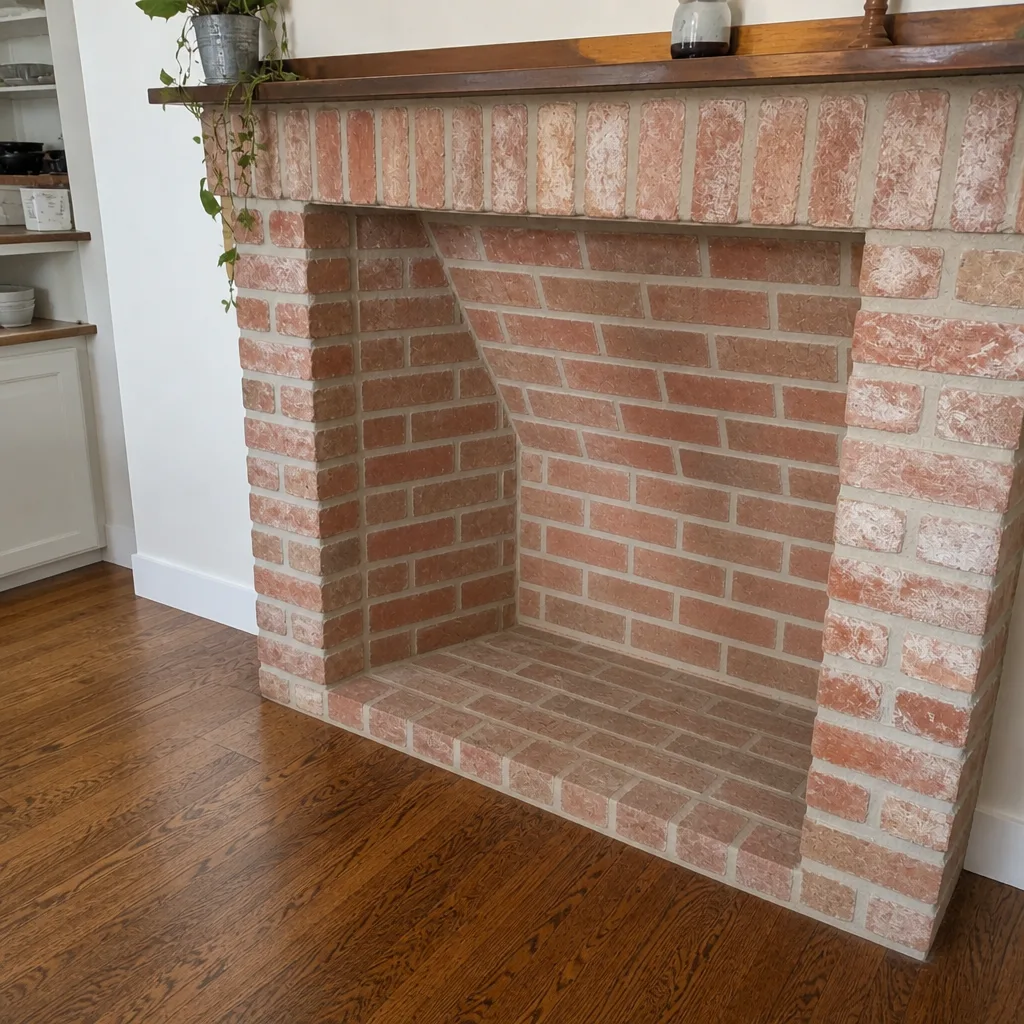
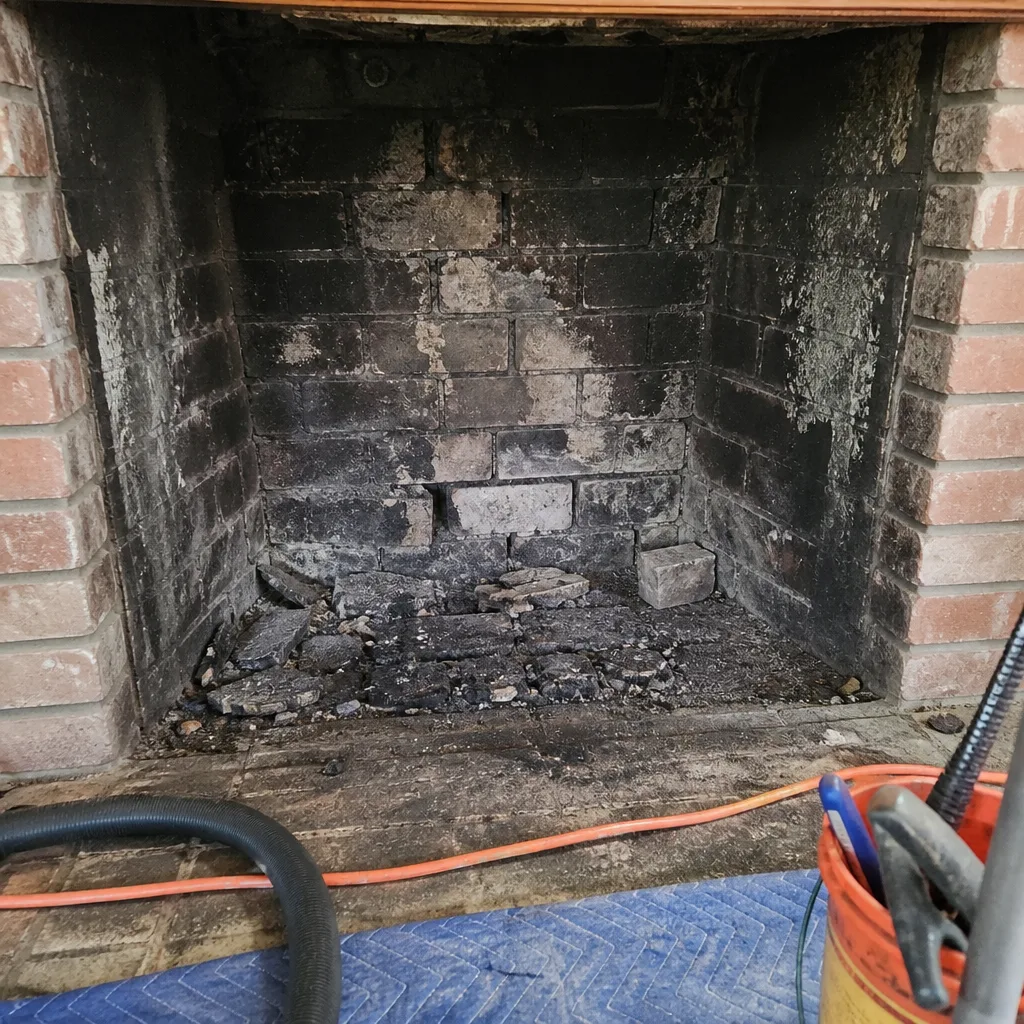
See the difference
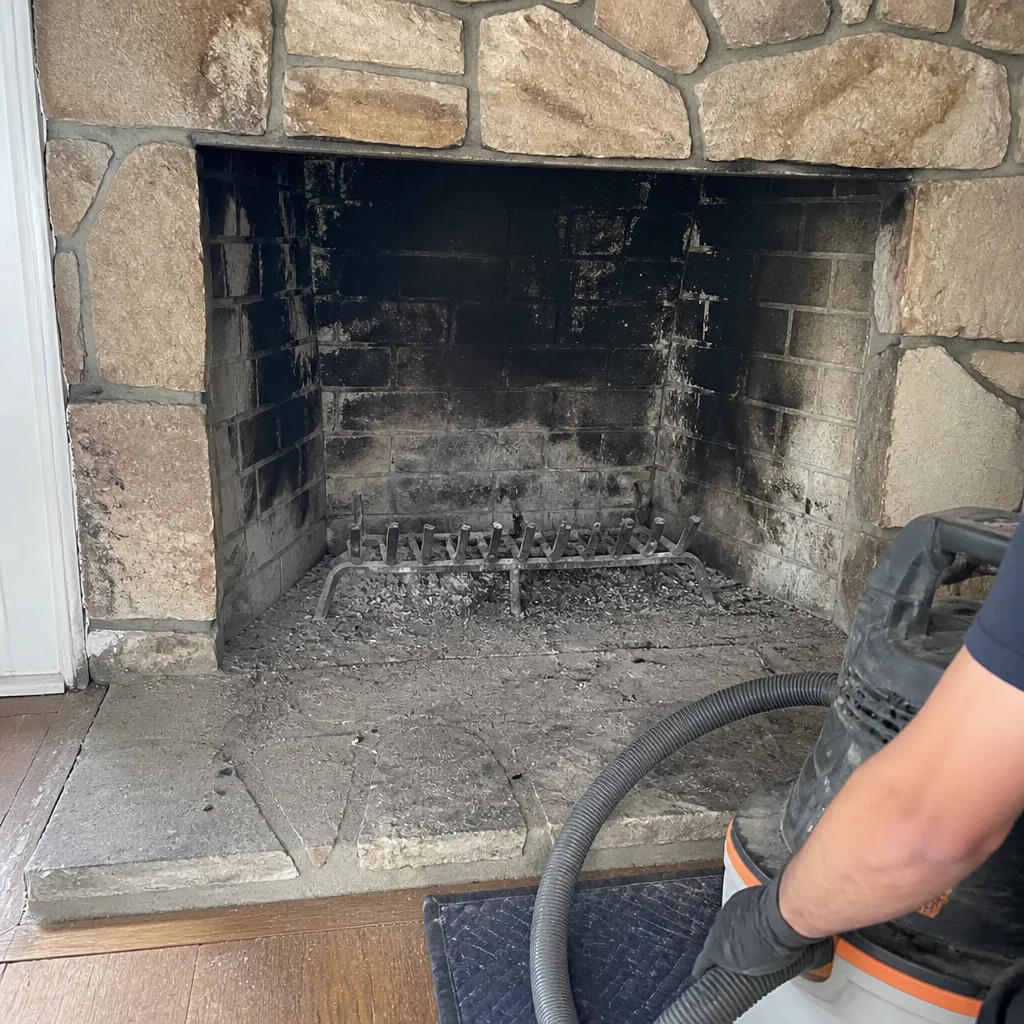 Before
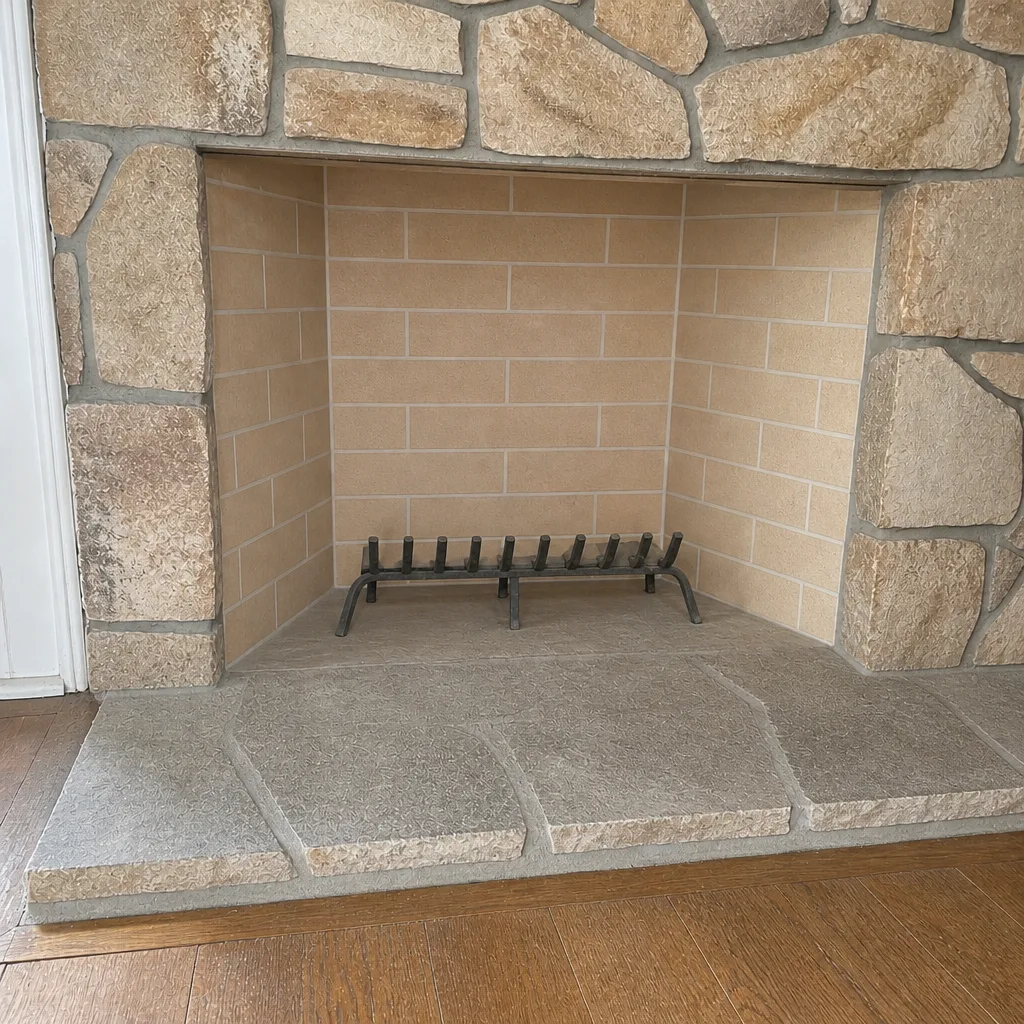 After
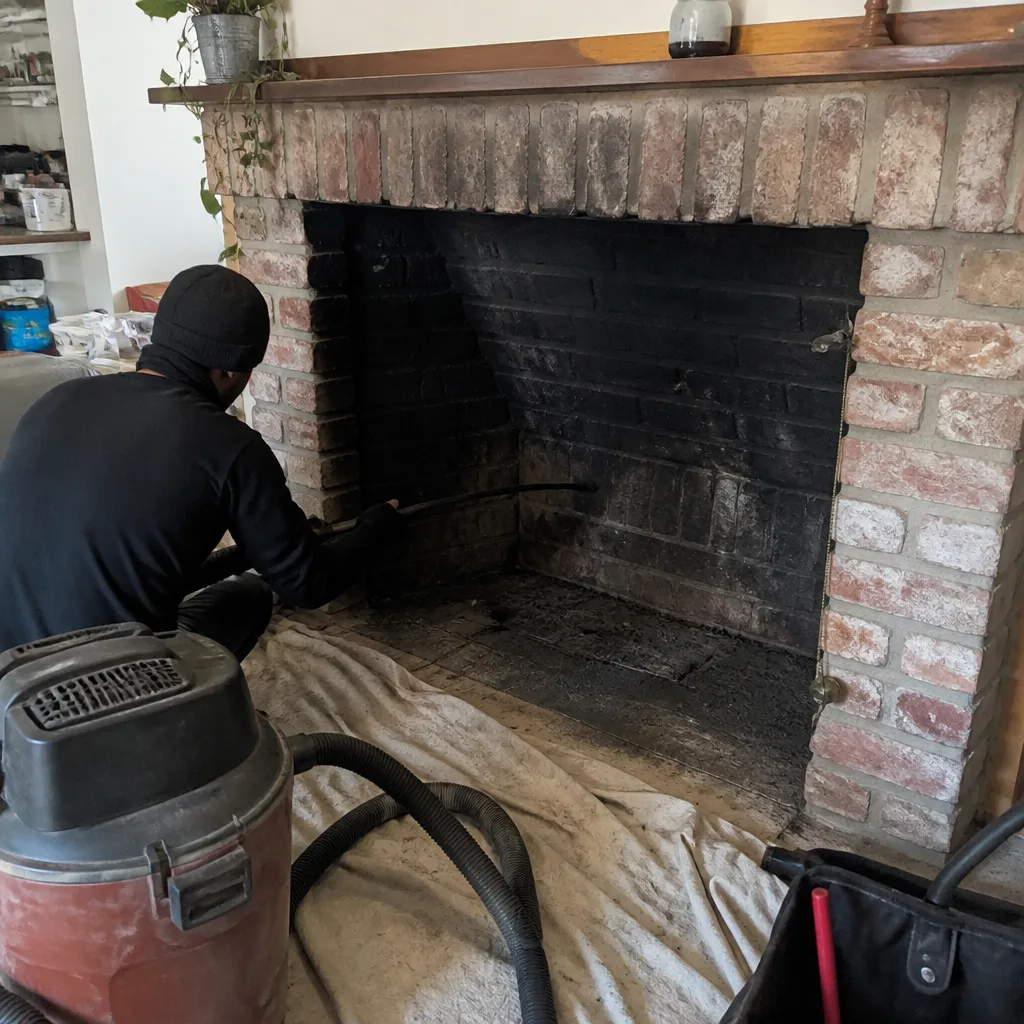 Before
 After
 Before
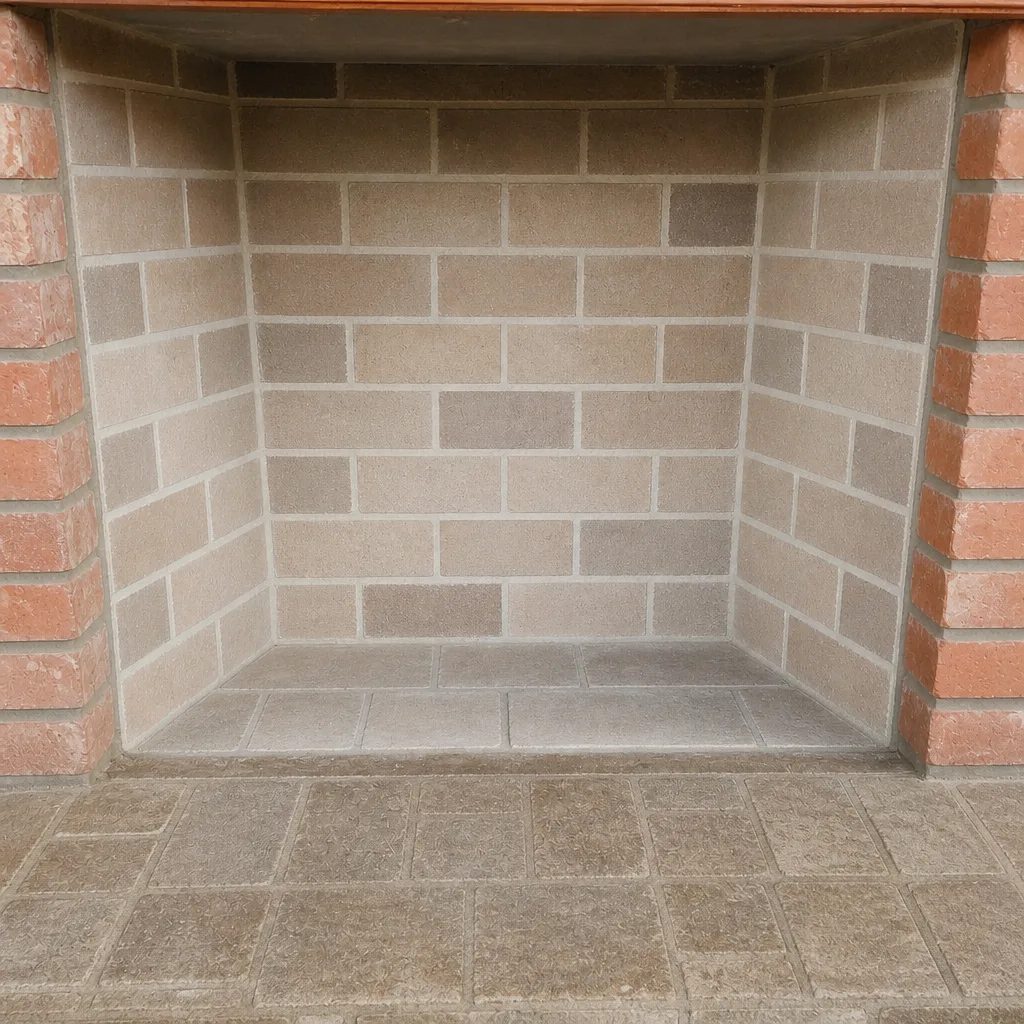 After
When to Call a Professional
Call a professional if any of the following describes your chimney: it has never been inspected, you’ve had a chimney fire, you burn heavily or use a wood stove as primary heat, you see or smell anything unusual, the masonry is old and deteriorating, or the flue is offset or complex. Those aren’t edge cases. They’re the normal range of conditions for a lot of Richmond homes, and they’re exactly the cases where a brush alone gives you a false sense of security.
Juniper Chimney Sweep offers free estimates in Richmond, and our technicians have up to 13 years of experience with sweep, inspection, and repair work. We find it and fix it in the same visit when possible, because the worst outcome is finding a problem and leaving you without a way to solve it. If you need the repair side, we supply and install professional-grade components from manufacturers the trade specifies, so the flue system works as a whole. Call (866) 361-9755 for a free estimate.
If a repair turns out to be the answer, you can learn what that involves on our chimney repair page.
Frequently Asked Questions
It’s worth it in a specific set of conditions: a young or recently inspected chimney, light use, no prior issues, and an inspection on record confirming the flue is sound. Outside those conditions, the cleaning isn’t the problem, the missing inspection is. A brush removes soot; it doesn’t tell you whether the liner is cracked or the crown is failing, and those are the findings that matter. If your chimney’s condition is unknown, start with a professional inspection and let the cleaning follow.
A professional camera inspection finds what a mirror and a flashlight from the firebox can’t reach: cracked flue tiles, gaps at the joints, washed-out mortar, glazed creosote higher in the flue, and the condition of the crown and flashing at the top. In our experience, the most common finding is a liner that’s been quietly degrading for years while the homeowner kept the brushable deposits under control. The camera is the difference between a clean chimney and a known chimney.
How often depends on use. A fireplace used lightly might need sweeping every year or two; a wood stove running as primary heat builds creosote much faster and needs more frequent attention. The floor we’d put on it is once a year for regular use, and always before the burning season starts. If you’re not sure where your chimney stands, an inspection settles it. Call (866) 361-9755 for a free estimate.
It’s more risky in older masonry than in newer chimneys, and Richmond has a lot of older masonry. The danger isn’t the brush itself. It’s brushing a flue whose liner is already compromised. Disturbing loose tile or mortar during cleaning can accelerate a failure that was on its way anyway, and it does it without telling you it happened. In an older Richmond home, get the flue looked at before you clean it.
A sweep removes creosote and soot. An inspection assesses the flue system’s condition and tells you what the cleaning doesn’t: liner integrity, crown and flashing condition, venting performance, and creosote stage. The two are related but separate jobs. A company that only cleans is a company that can’t tell you what it found, which is why we do sweep, inspection, and repair under one roof.
Some can, many can’t. Cleaning-only operations find problems and hand you a referral, which means a second contractor, a second diagnosis, and a gap where nobody owns the whole job. We do all three: sweep, inspect, and repair. When the camera finds a liner issue, we’re the same company that handles the reline or restoration, whether that’s a HeatShield repair or a DuraFlex installation, and we source those components from the brands the professional trade uses.
The Bottom Line
The DIY chimney cleaning question comes down to one honest distinction: cleaning and diagnosing are different jobs. You can physically clean a flue, and in the right circumstances you should. But cleaning without knowing the condition of the liner, crown, and venting is maintenance blindfolded, and in Richmond’s older housing stock that’s a gamble with hidden odds. The hybrid model resolves the tension: a professional inspection and first cleaning to establish the baseline, light DIY maintenance between visits if the chimney is confirmed sound, and a professional back for the next inspection on a sane schedule. That keeps real money on the table without skipping the layer that keeps you safe. If you need the professional half, call (866) 361-9755 for a free estimate. We answer 24/7, with fast dispatch from 7am to 7pm, Sunday through Friday.
And if you want to start with the basics, our Juniper Chimney Sweep homepage is the place to begin.
Written by the team at Juniper Chimney Sweep.