
Last updated November 15, 2026
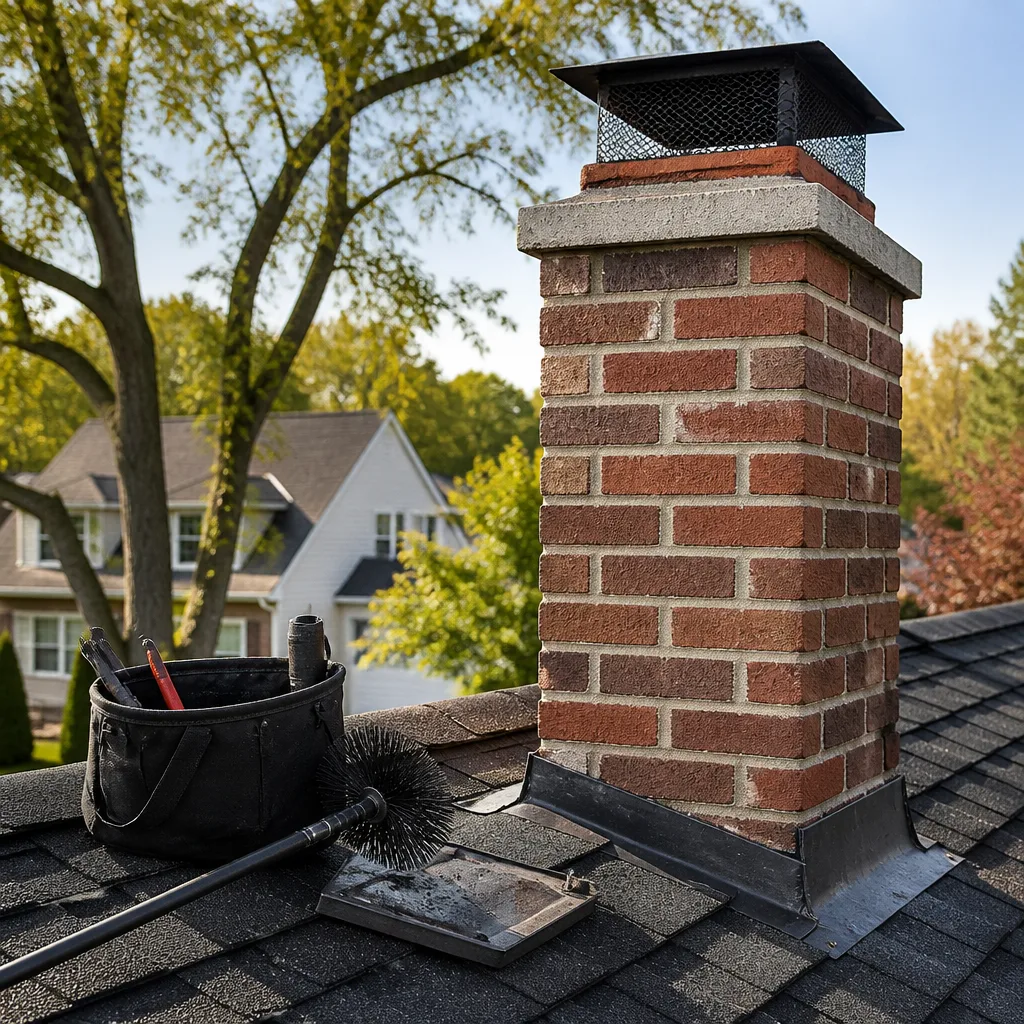 Sweep & inspection
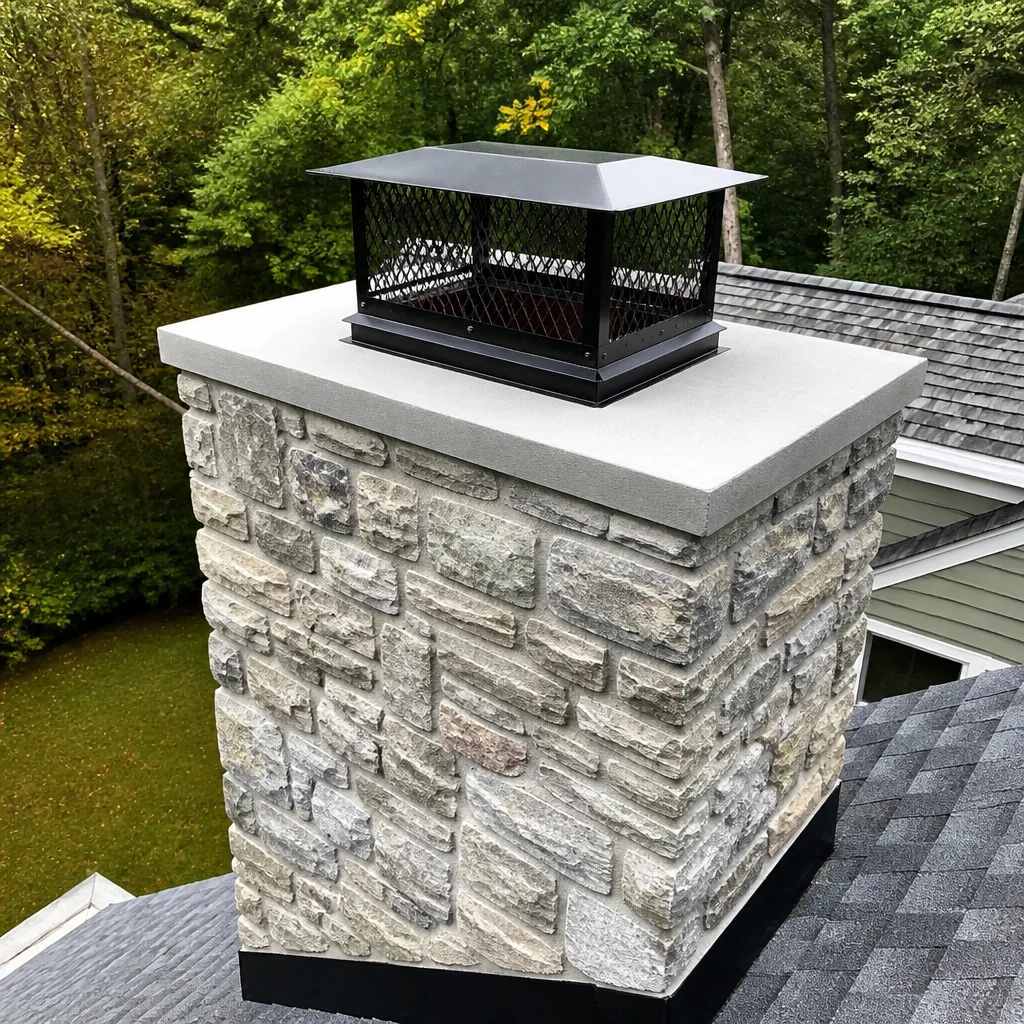 Caps & crowns
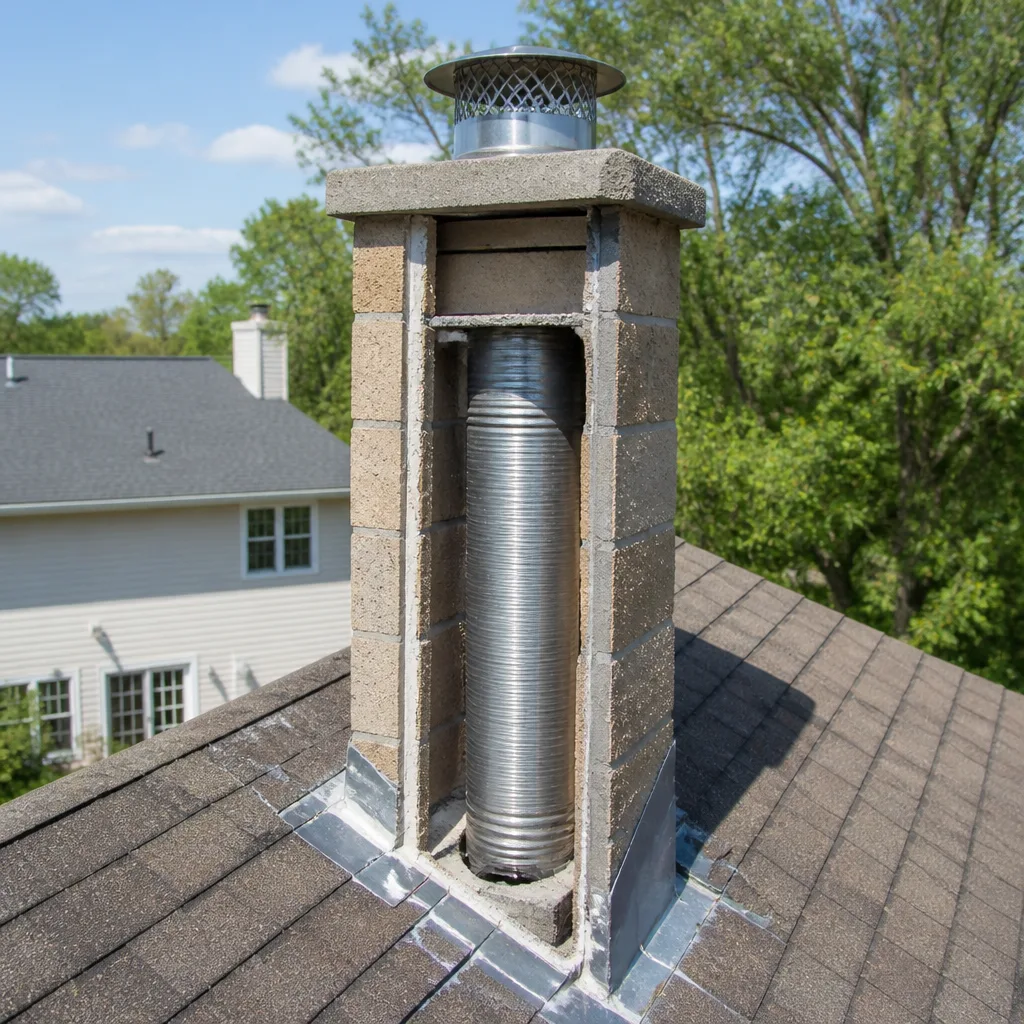 Flue relining
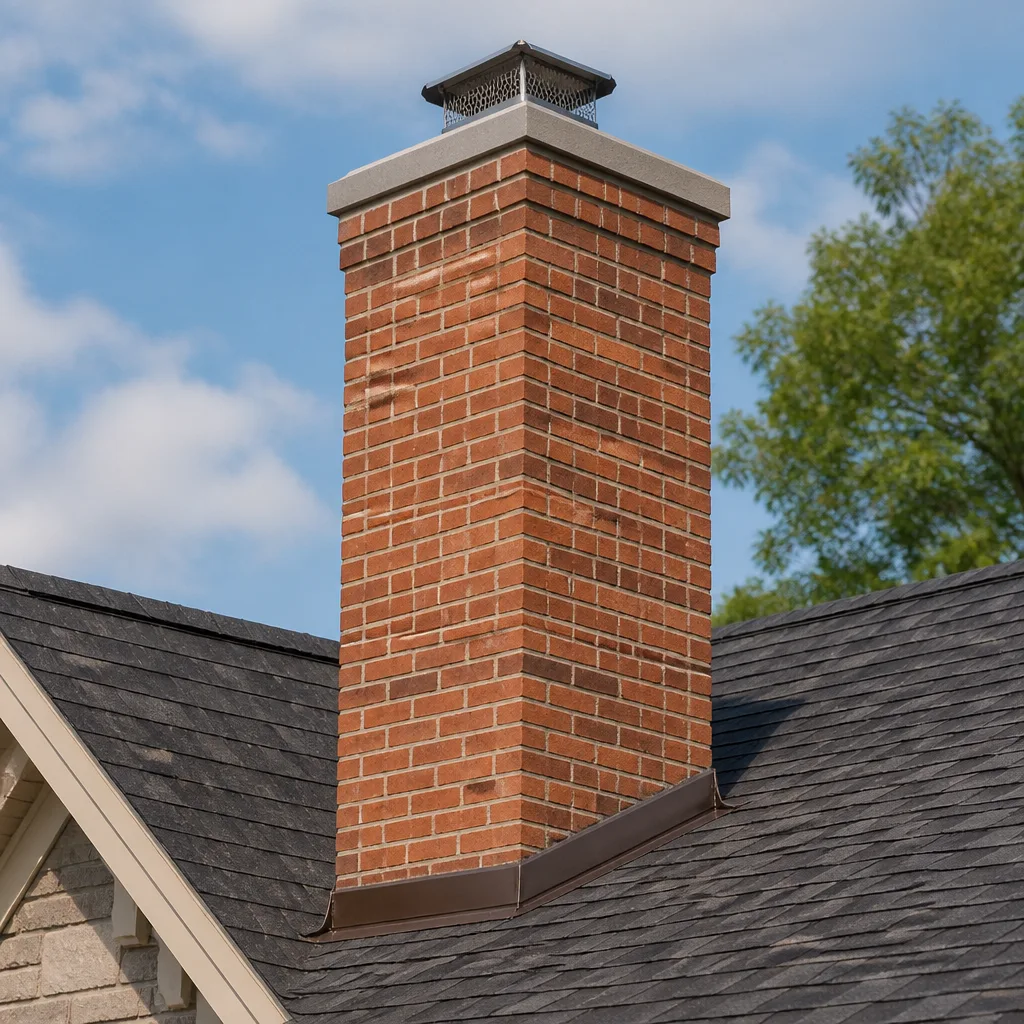 Masonry repair
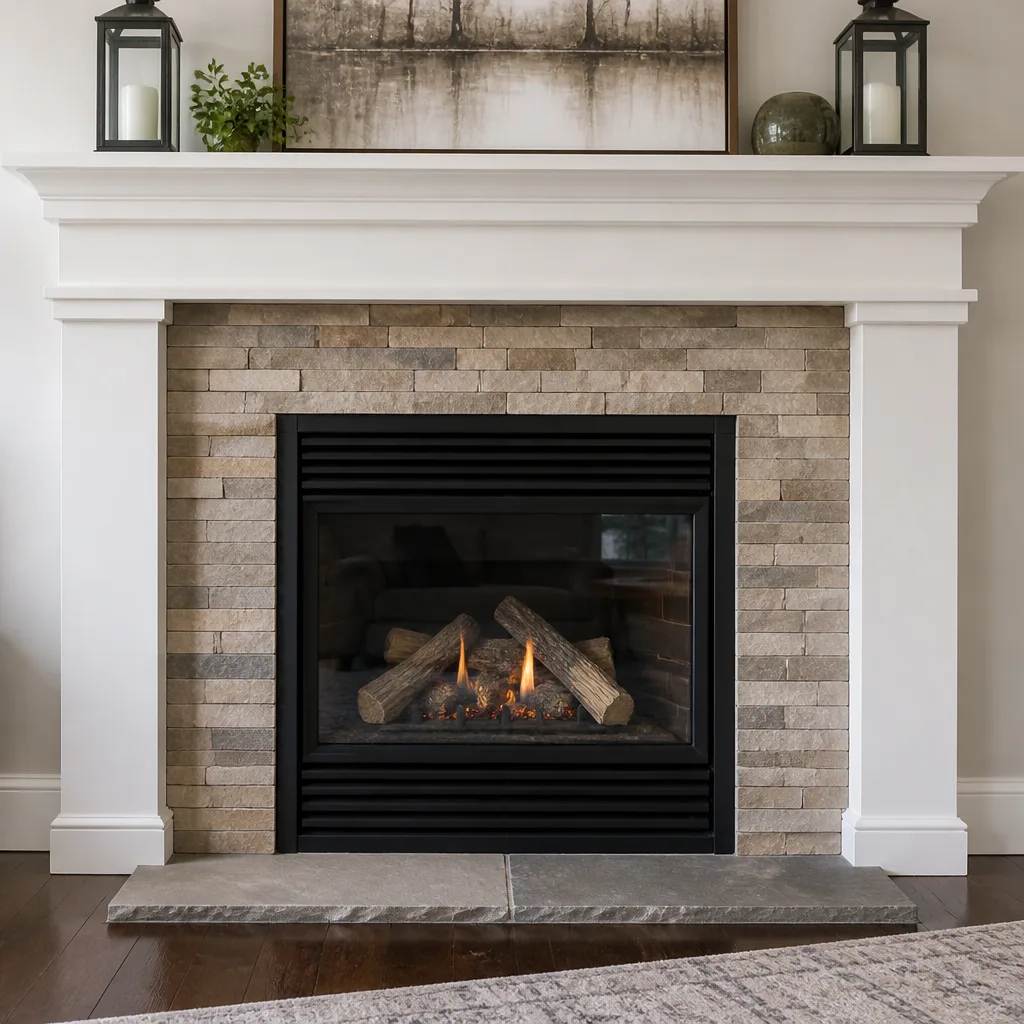 Gas fireplace service
Level 1 sweep and inspection to the NFPA 211 annual standard - flue, crown, cap, and flashing checked and photographed
Chimney sweep logs do not sweep chimneys. They loosen some creosote - which then falls where a brush and vacuum still have to collect it.
Chimney Cleaning Cost Breakdown: The Richmond Homeowner’s Reference for 2026
The $89 chimney cleaning coupon isn’t a deal. It’s a different product. It covers one task on one component of a flue system with eight or more parts that all affect each other: the firebox, the damper, the smoke chamber, the flue tiles, the liner, the crown, the cap, and the venting above the roofline. What most Richmond homeowners actually need is a look at the whole system, not a brush down one pipe. This guide breaks down what each price tier genuinely buys, how Richmond’s older housing stock changes the math, and how to read a quote so you know what you’re paying for before anyone climbs on your roof.
Quick Answer
A basic chimney sweep in Richmond typically costs $150 to $300, a Level 1 inspection usually runs $75 to $150 (often bundled with a sweep), and a Level 2 video inspection runs $200 to $450. Add repairs, liner work, or a cap replacement and a full-service visit can land between $400 and $500 or more. The final price is set by the written estimate after a technician sees your actual flue setup.
Styles & brands we work with
- Sweep & inspection
- Caps & crowns
- Flue relining
- Masonry repair
- Gas fireplace service
Table of Contents
- What Each Service Actually Costs: A Line-Item Breakdown
- Sweep vs. Level 1 vs. Level 2: Which Do You Actually Need?
- Why Richmond’s Housing Stock Skews Costs Higher
- How to Evaluate a Chimney Quote in Richmond
- Total Cost of Ownership: Deferred Cleaning vs. Annual Service
- Which Add-Ons Are Worth Bundling With a Cleaning Visit
- Common Mistakes to Avoid
What Each Service Actually Costs: A Line-Item Breakdown
The range you see quoted for chimney work in Richmond, from under $100 to well over $500, isn’t a markup gap. It’s a scope gap. Two bids that look like the same “cleaning” can cover completely different jobs, and knowing what each line item includes is the fastest way to compare apples to apples.
Here’s the breakdown of typical costs you’ll see in the Richmond market:
| Service | Typical Richmond Range | What It Covers |
|---|---|---|
| Basic sweep | $150 – $300 | Brush and vacuum the flue, firebox, and smoke shelf |
| Level 1 inspection | $75 – $150 | Visual check of accessible components (often bundled) |
| Level 2 video inspection | $200 – $450 | Camera scan of the full flue, includes photo report |
| Liner cleaning (heavy creosote) | $250 – $500 | Rotary cleaning of glazed or third-degree creosote |
| Cap replacement | $150 – $400 | Supply and install of a new chimney cap |
| Damper repair or replacement | $200 – $600 | Top-seal or throat damper work |
| Liner repair or relining | $1,800 – $5,500+ | HeatShield restoration or DuraFlex stainless reline |
Those last two rows are where a “cheap” visit and a real one part ways. A technician who only cleans never gets to the liner question, and a liner that’s already cracked doesn’t show up until a camera goes down the flue. In our experience, most Richmond homes built before the 1990s have flue tiles that were never intended to last forever, and the camera is what tells you where yours stands.
Sweep vs. Level 1 vs. Level 2: Which Do You Actually Need?
These three terms get used interchangeably in a lot of quotes, but they’re different services with different price tags and different purposes. A chimney sweep is the cleaning. An inspection is the diagnosis. You’ll often want both, and sometimes the cleaning is what triggers the inspection.
Here’s how to tell which tier applies to your situation:
- Basic sweep. Appropriate when you burn regularly and need the flue cleaned of soot and creosote. It removes what’s built up but doesn’t evaluate the system beyond what a technician can see plainly.
- Level 1 inspection. A visual check of all accessible parts of the chimney, firebox, and venting without specialty tools. This is the baseline annual check and is usually bundled with a sweep.
- Level 2 video inspection. A camera scan of the entire flue, including the parts you can’t see from the firebox. This is what you need when you’ve just bought a home, changed the appliance, had a chimney fire, or gotten a vague warning from another technician you can’t verify.
For most Richmond homeowners, the sensible starting point is a sweep plus a Level 1 check, with a Level 2 camera inspection triggered when anything looks off. If you’ve been told you need liner work, the camera evidence is what justifies the cost, and you should be able to see it for yourself. Our chimney repair work always starts from that camera footage for exactly this reason. Nothing gets recommended without documentation you can look at.
If your home is in one of the older Richmond neighborhoods like Point Richmond or the Iron Triangle, where masonry chimneys can date back many decades, plan on the camera inspection as a standard part of your first visit. Aging flue tiles and the mild but wet winters here both put stress on older masonry, and a visual check alone will miss cracks that live behind a tile wall.
Why Richmond’s Housing Stock Skews Costs Higher
Richmond isn’t a new-build town, and that shapes the cost picture in ways a national pricing table won’t tell you. Much of the housing stock here dates from the early-to-mid twentieth century, which means older masonry chimneys, flue tiles that have been through many heating seasons, and liner systems that may never have been updated. The interior Bay Area climate is mild enough that homeowners sometimes assume the chimney is fine because it isn’t buried in snow, but mild winters don’t undo decades of use.
What that means in practice:
- More homes land in the “sweep plus inspection plus a repair” bracket. The cleaning itself is routine; the discoveries during inspection are what move the ticket.
- Older flue tiles are more likely to be cracked or spalled. That’s the case for a liner evaluation, and it’s the reason a bare-bones sweep isn’t enough in a lot of Richmond homes.
- Offsets and non-standard flues are common. A flue that runs at an angle through an older house needs a flexible liner system like DuraFlex to reline properly, which is a higher-skill job than a straight flue. That’s part of why local pricing here trends above the national middle.
If you’re budgeting, plan for the sweep and inspection first, then set aside a repair allowance. Most first visits in Richmond land in the $250 to $500 range once the inspection is folded in, and that’s the number to plan around, not the coupon price. The Richmond climate won’t force the issue the way a snowy climate would, but the age of the housing stock will show up in the flue sooner or later.
How to Evaluate a Chimney Quote in Richmond
A legitimate quote tells you what’s being done and what’s not. That’s the whole test. A suspiciously low bid almost always excludes the same handful of items, and a thorough estimate will spell them out. Here’s what to look for.
What a low bid tends to leave out:
- The inspection. A $89 “cleaning” that doesn’t include a Level 1 check isn’t a full visit.
- Flue evaluation. A sweep that never looks at the liner beyond a flashlight can’t tell you if the liner is sound.
- Photo documentation. If there’s no camera footage or photos, you can’t verify what was found.
- Liability coverage. Ask before anyone gets on the roof. The business should be insured and bonded.
What a complete estimate includes:
- A clear description of the scope: sweep, inspection, or both, and what each covers.
- The inspection level being performed (Level 1 or Level 2) and what it evaluates.
- Photo or video evidence of any problem, included with the estimate, not promised later.
- A flat-price line-item total, with a note on what’s the final price versus an estimate.
- A written explanation of what can safely wait and what shouldn’t.
That last point matters more than it sounds. Deferred work that can wait should be said so plainly, and urgent safety work should be explained with the evidence in front of you. If the quote doesn’t show its work, ask for it. Any company worth hiring will produce it.
Total Cost of Ownership: Deferred Cleaning vs. Annual Service
Skipping a year of cleaning is easy, and the cost of doing it doesn’t show up on a bill right away. It shows up later, in liner damage, insurance complications, and repairs that a routine visit would have caught while the problem was still small. The math here isn’t about saving $200. It’s about what a $200 visit prevents.
Here’s how the two paths tend to break down:
- Regular annual cleaning and inspection: you pay the sweep-and-check price every season, catch liner cracks early, and replace a cap or a damper when it’s a small job instead of a large one.
- Deferred cleaning: creosote builds into glazed, hard-to-remove layers that require rotary liner cleaning at a higher price, or worse, into a condition that damages the liner itself. That’s when a reline or HeatShield restoration shifts the cost by thousands.
Insurance is the other quiet cost. Most insurers expect a chimney to be maintained, and a loss tied to an unserviced flue can complicate a claim in ways a clean record wouldn’t. We can’t speak to your specific policy, but it’s worth asking your insurer what they expect in terms of service history before something happens.
The emergency side is the real swing. A flue that fails during a heating season, or a chimney fire that starts because of accumulated creosote, turns a routine maintenance schedule into a repair project. In our experience across Richmond, the homes that stay on an annual schedule rarely face the surprise reline, and the homes that skip three or four years often do. Treat the annual visit as the cost of avoiding the larger one.
Which Add-Ons Are Worth Bundling With a Cleaning Visit
When a technician is already on the roof and the flue is already open, some add-ons make sense to do in the same visit and others can wait. The judgment call isn’t about what’s offered. It’s about what the evidence shows and what the part actually does.
Worth bundling when the evidence calls for it:
- Chimney cap replacement. A missing or damaged cap lets water, birds, and debris into the flue. If yours is gone or failing, replacing it during a cleaning visit is efficient and it protects the liner you just paid to clean.
- Damper repair or upgrade. A damper that doesn’t seal properly wastes heat and lets conditioned air escape when the fireplace isn’t in use. If the technician finds it stuck or warped, this is a natural same-visit project.
- Waterproofing on older masonry. Bay Area masonry takes on moisture through the wet season. If the brick or crown is showing signs of water intrusion, addressing it during a maintenance visit makes sense.
Can usually wait:
- Cosmetic work like repainting a firebox or re-facing brick, which doesn’t affect safety or function.
- Non-urgent venting upgrades that aren’t showing any performance problem. If the flue is drafting correctly and the liner is sound, there’s no reason to replace something that’s working.
We supply and install professional-grade components from Famco and Copperfield for caps, dampers, and venting, so the parts going on your chimney are the kind specified for the job, not the generic hardware-store substitute. That matters most for the cap, which is the first line of defense for the whole flue system. When the cap, the damper, and the crown are all in shape, the liner stays dry and the sweep stays routine.
Common Mistakes to Avoid
- Buying on the coupon price alone. The $89 cleaning is a real service, but it’s one task on one part. If it doesn’t include an inspection, you’re paying to clean a system you still don’t know the condition of.
- Skipping the video inspection after a vague warning. If someone told you “you should get that checked” and didn’t show you why, get a camera inspection from a company that can also do the repair. A warning without evidence isn’t a diagnosis.
- Assuming Richmond’s mild climate means the chimney can wait. Mild winters don’t stop creosote from building or flue tiles from cracking. The housing stock here is old enough that time alone is a factor.
- Hiring a sweep who can’t do the repair. If the cleaner finds a cracked liner and hands you off to a second contractor, you’re paying twice for the same discovery. Look for one company that owns the diagnosis and the fix.
- Not asking what’s not included. A quote that doesn’t say what it leaves out is a quote you can’t compare. Ask directly, every time.
- Letting a damaged cap sit through the wet season. A missing cap is one of the cheapest problems to fix and one of the more expensive ones to ignore, because water in the flue is what starts the mortar and tile damage underneath.
- Assuming a reline is the only option. A deteriorating flue tile doesn’t always require a full teardown. HeatShield liner restoration, an EPA-recognized system, can rehabilitate the existing flue in many cases, and most sweep-only companies don’t offer it.
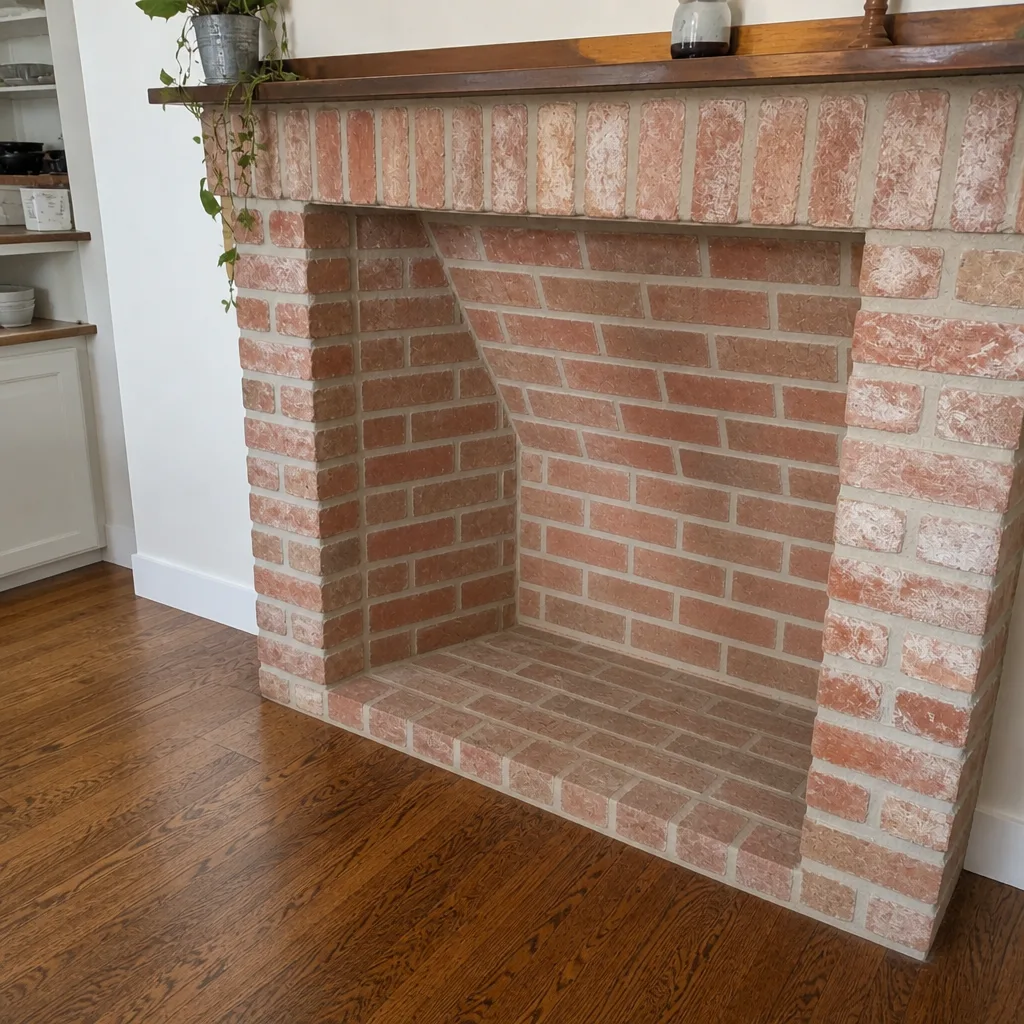
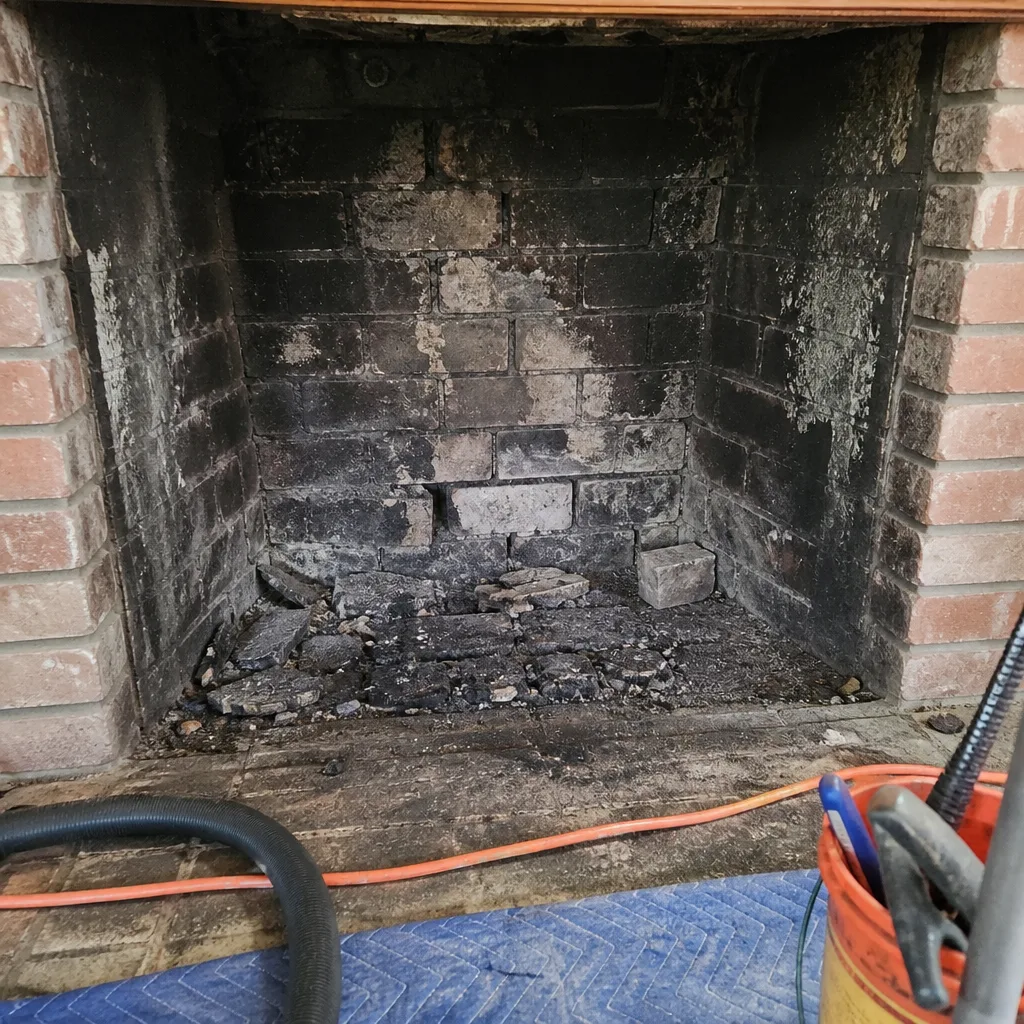
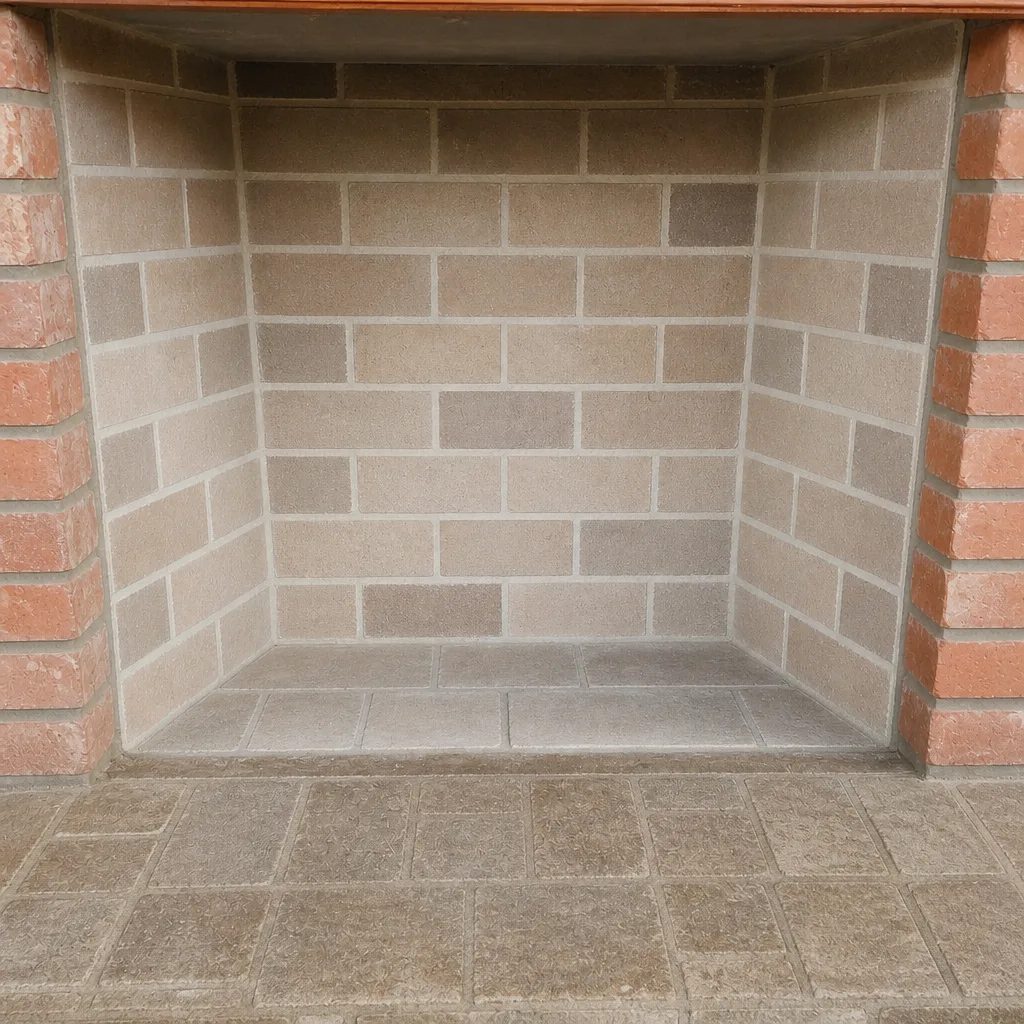
See the difference
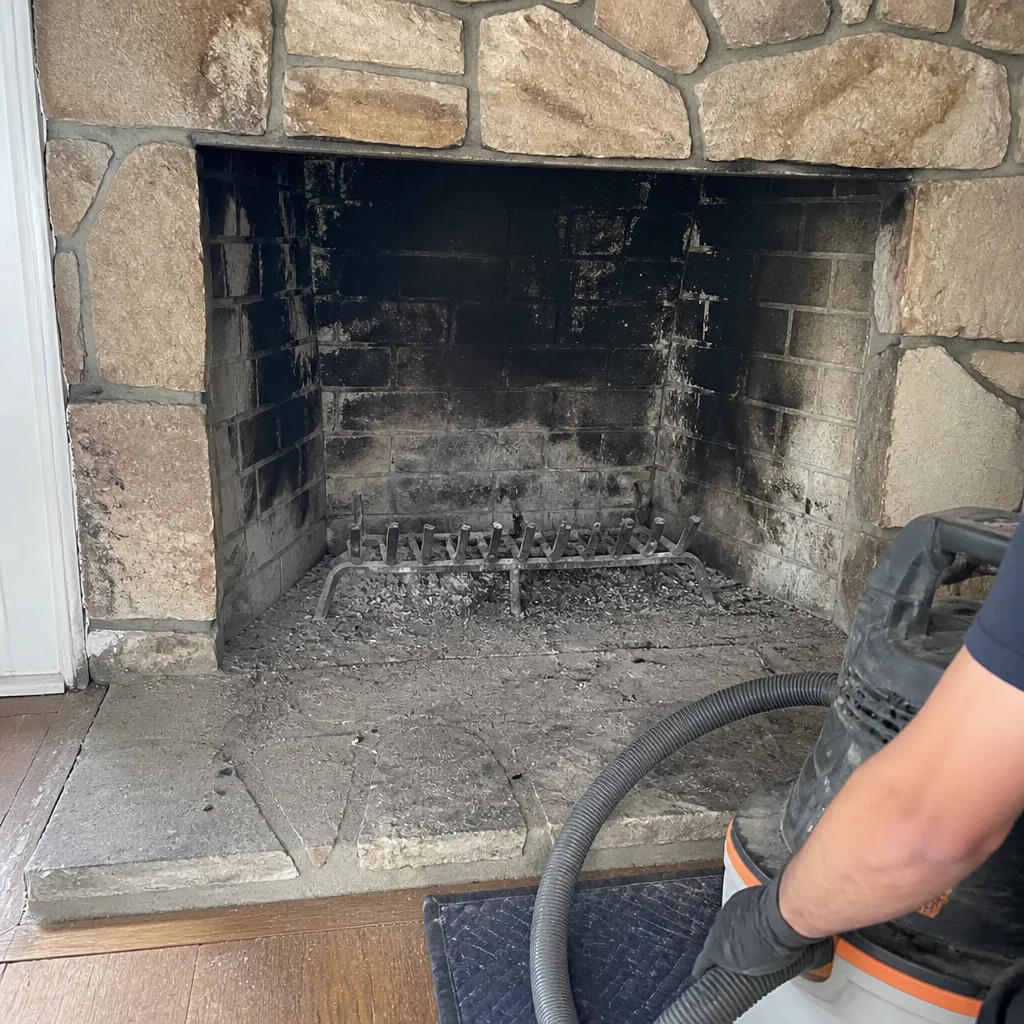 Before
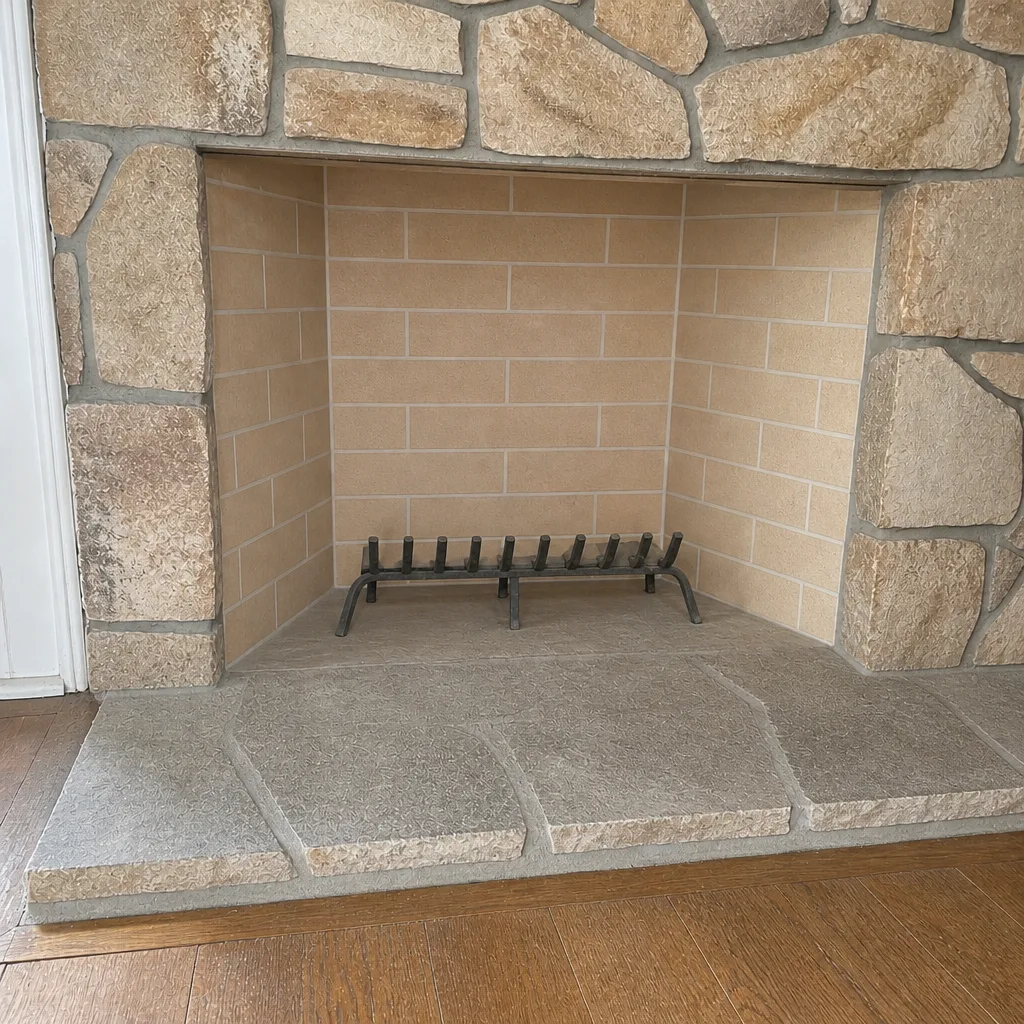 After
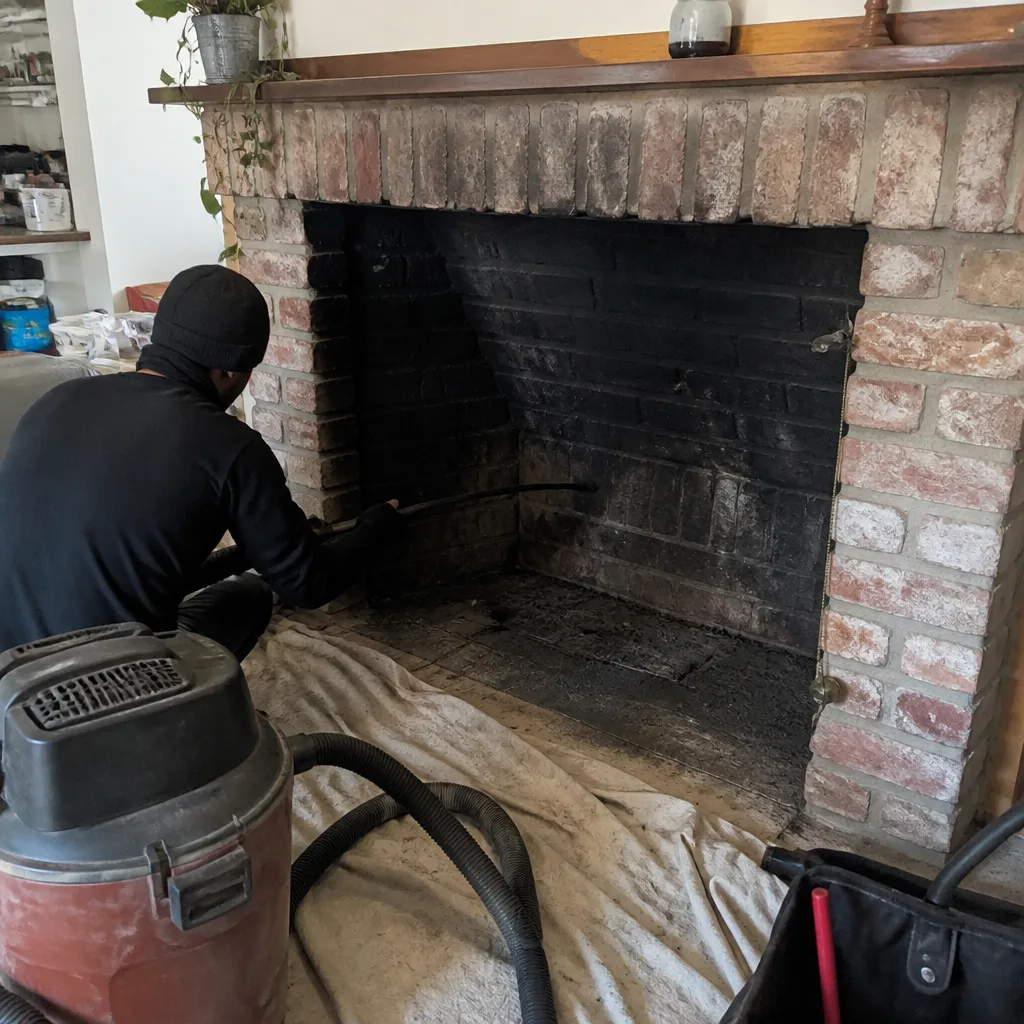 Before
 After
 Before
 After
When to Call a Professional
Some chimney conditions are genuinely safe to watch and some need a trained eye soon. Call a professional if you smell a strong creosote odor in warm weather, if smoke backs into the room when you light a fire, if you see cracked or missing mortar around the crown, if the damper won’t open or close cleanly, or if you’ve had a chimney fire, even a small one. You should also call if you’ve just bought a Richmond home and don’t know when the chimney was last serviced, or if your appliance has changed, such as adding a wood stove or a new insert. These are the situations where a camera inspection earns its cost.
The one thing we’d never suggest is climbing on the roof or working on a hot flue yourself. Creosote is flammable, flues can be structurally compromised in ways you can’t see from outside, and masonry work at height is a job for someone trained and insured for it. A trained technician has the tools, the camera, and the safety gear to do the assessment without putting anyone at risk.
Juniper Chimney Sweep offers free estimates in Richmond – call (866) 361-9755 to book a visit. Our technicians have up to 13 years of experience, and we perform the sweep, the inspection, and the repair under one company, so there’s no hand-off between a cleaning crew and a repair crew.
Frequently Asked Questions
A basic chimney sweep in Richmond typically costs $150 to $300, and a visit that bundles a Level 1 inspection usually lands between $250 and $500. The final price depends on the flue setup and any repairs found during the visit, and the written estimate sets it. Call (866) 361-9755 for an exact quote – estimates are free.
Not automatically. A liner is only replaced when the camera shows cracking, spalling, or a gap that a sweep alone can’t fix. In many cases, HeatShield liner restoration can rehabilitate a deteriorating flue without a full teardown. Ask to see the camera footage, and if the liner is sound, say so plainly and don’t replace it. Call (866) 361-9755 and we’ll walk you through what the footage shows.
Once a year for most wood-burning fireplaces and stoves, and more often if you burn heavily or notice creosote buildup. The annual visit is also when the inspection happens. Skipping it is what turns a routine cleaning into a liner replacement. Call (866) 361-9755 to get on a yearly schedule – estimates are free.
Creosote builds into a glazed, harder-to-remove layer, and the liner sits under stress it wasn’t designed for. You also lose the inspection that would have caught a cracked tile early. That’s when a routine $200 visit becomes a repair project. Call (866) 361-9755 to schedule a visit before that happens.
Richmond’s older housing stock is the main reason. Century-old masonry, aging flue tiles, and non-standard flues that need flexible liner systems mean more visits land in the “sweep plus inspection plus repair” bracket. The cleaning is routine; the discoveries are what move the ticket. Call (866) 361-9755 for a quote based on your actual flue.
A legitimate estimate lists the scope, the inspection level, and the flat price, and it includes photo or video evidence of anything it recommends fixing. If a quote doesn’t say what’s included, ask. If a company can’t show you why they recommend a repair, get a second look. Call (866) 361-9755 – we’ll show you what we found and what it means.
The Bottom Line
The range of chimney prices in Richmond isn’t a pricing trick. It’s a scope difference. A basic sweep buys you a cleaning; a full-service visit buys you a cleaning, an inspection, and a plan for what your flue actually needs. Richmond’s older housing stock makes the second option worth the extra cost, because the flue systems here are old enough that the camera usually finds something the brush can’t. Budget for the bundled visit, ask for the evidence, and let the camera decide what gets fixed. That’s the approach that keeps a $200 visit from turning into a $5,000 repair.
What sets a full-service visit apart is the ability to actually do what’s found. We supply and install professional-grade components like DuraFlex flexible liner systems, so you’re not handed a diagnosis and a contractor referral. Here’s what we found and here’s what it means: that’s the conversation we try to have on every visit, whether the answer is “you’re fine for the year” or “this needs attention before the season.” Our technicians have up to 13 years of experience, and the same company owns the diagnosis and the fix.
If you’re ready to find out where your chimney actually stands, contact Juniper Chimney Sweep for a free estimate. Call (866) 361-9755. We answer 24/7. Fast dispatch from 7am to 7pm, Sunday through Friday.
Written by the team at Juniper Chimney Sweep.