
Last updated November 15, 2026
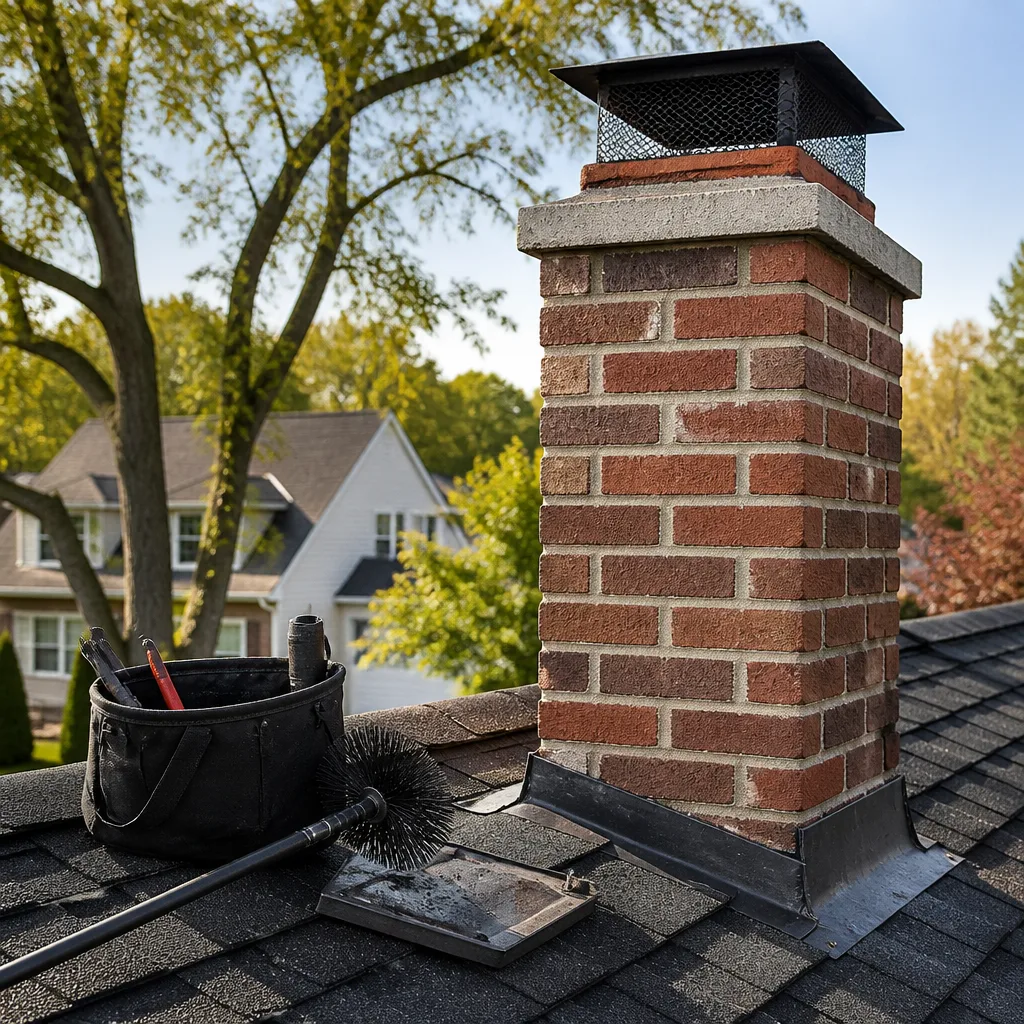 Sweep & inspection
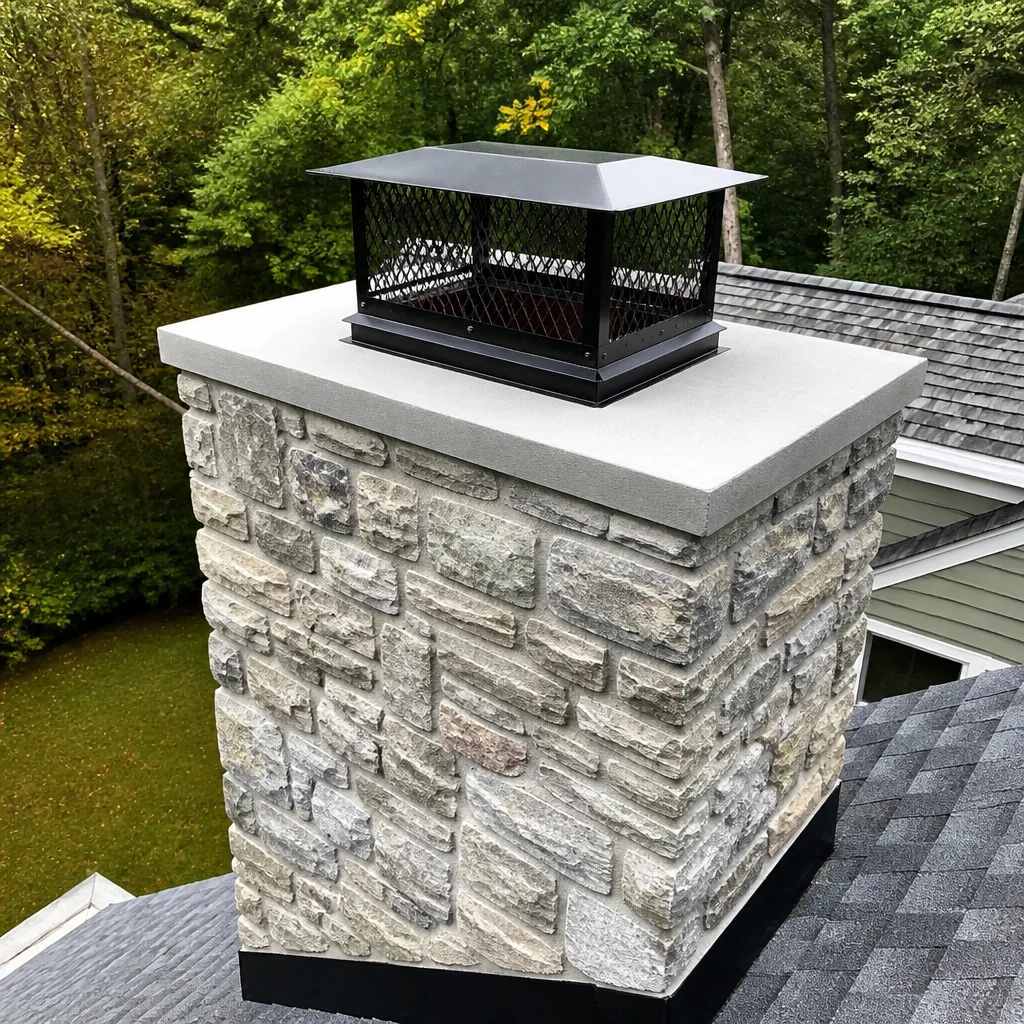 Caps & crowns
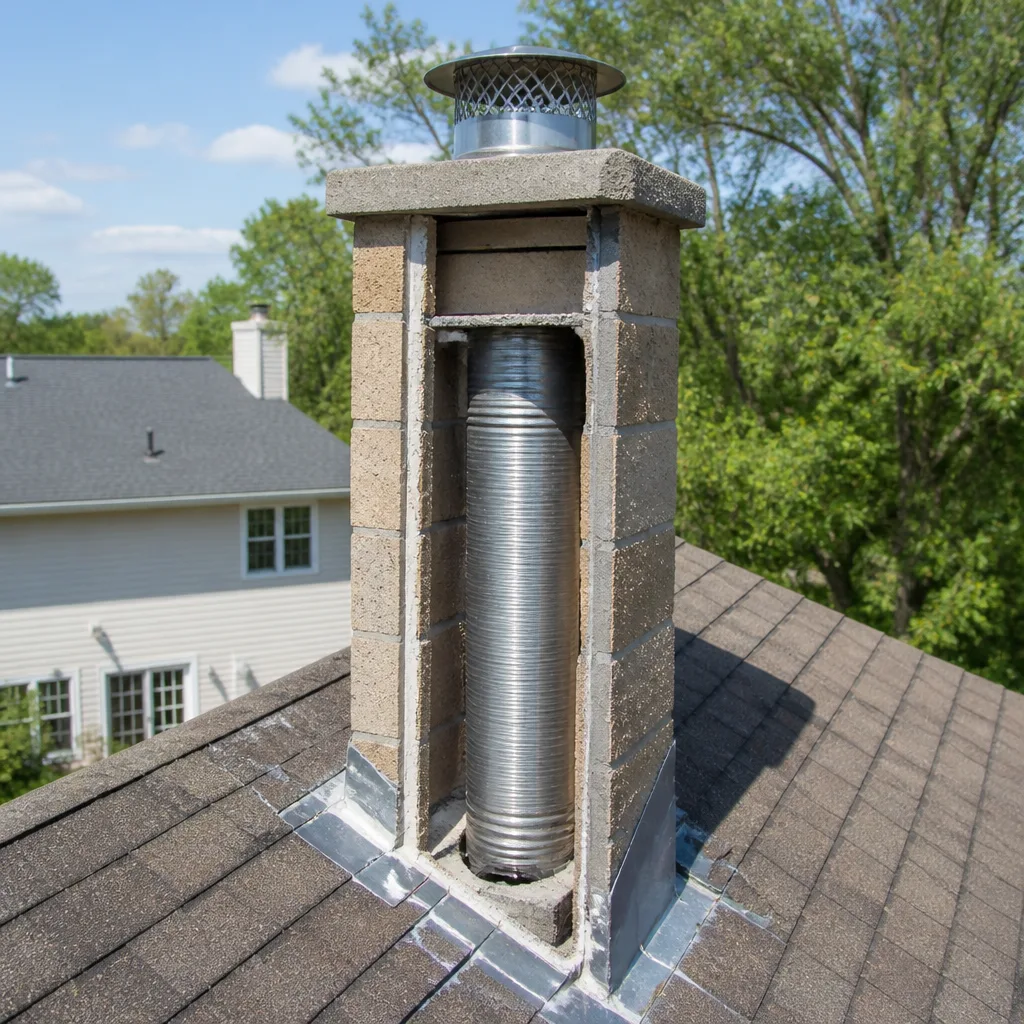 Flue relining
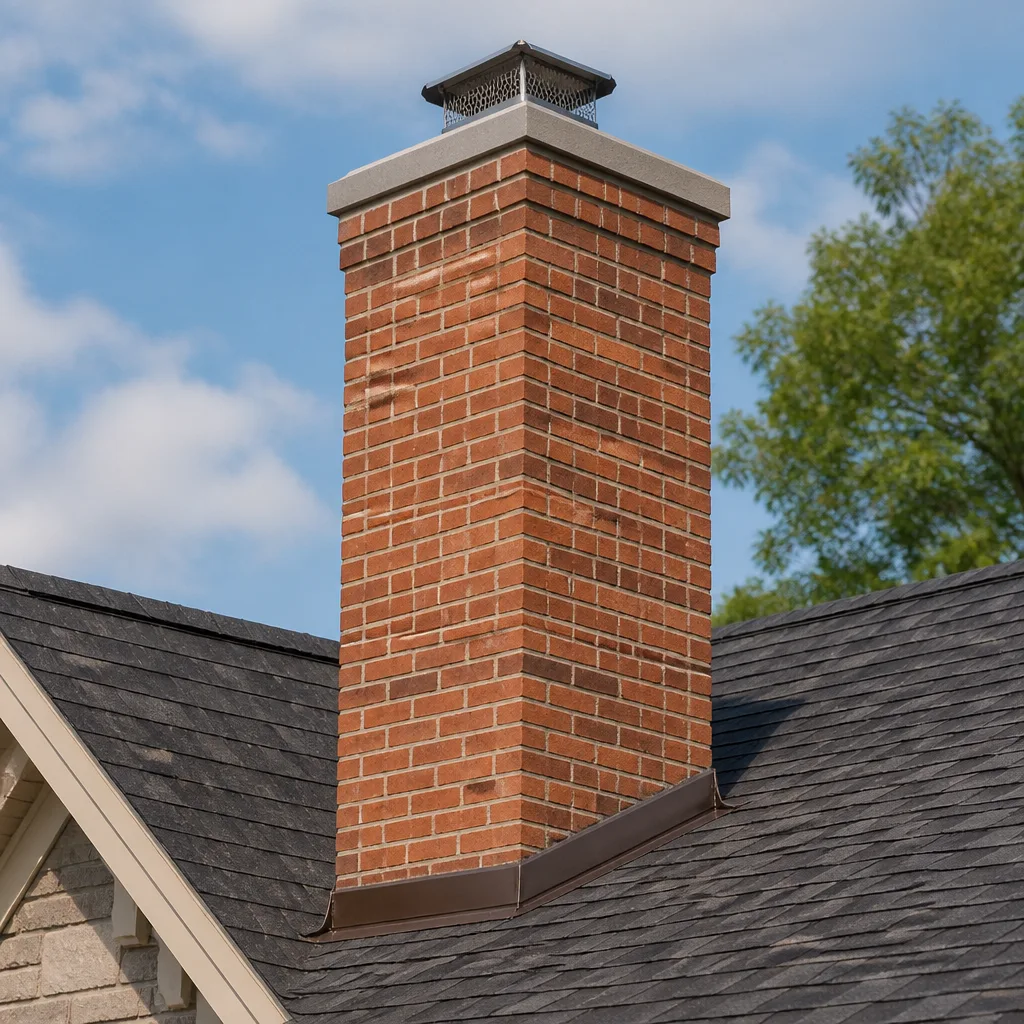 Masonry repair
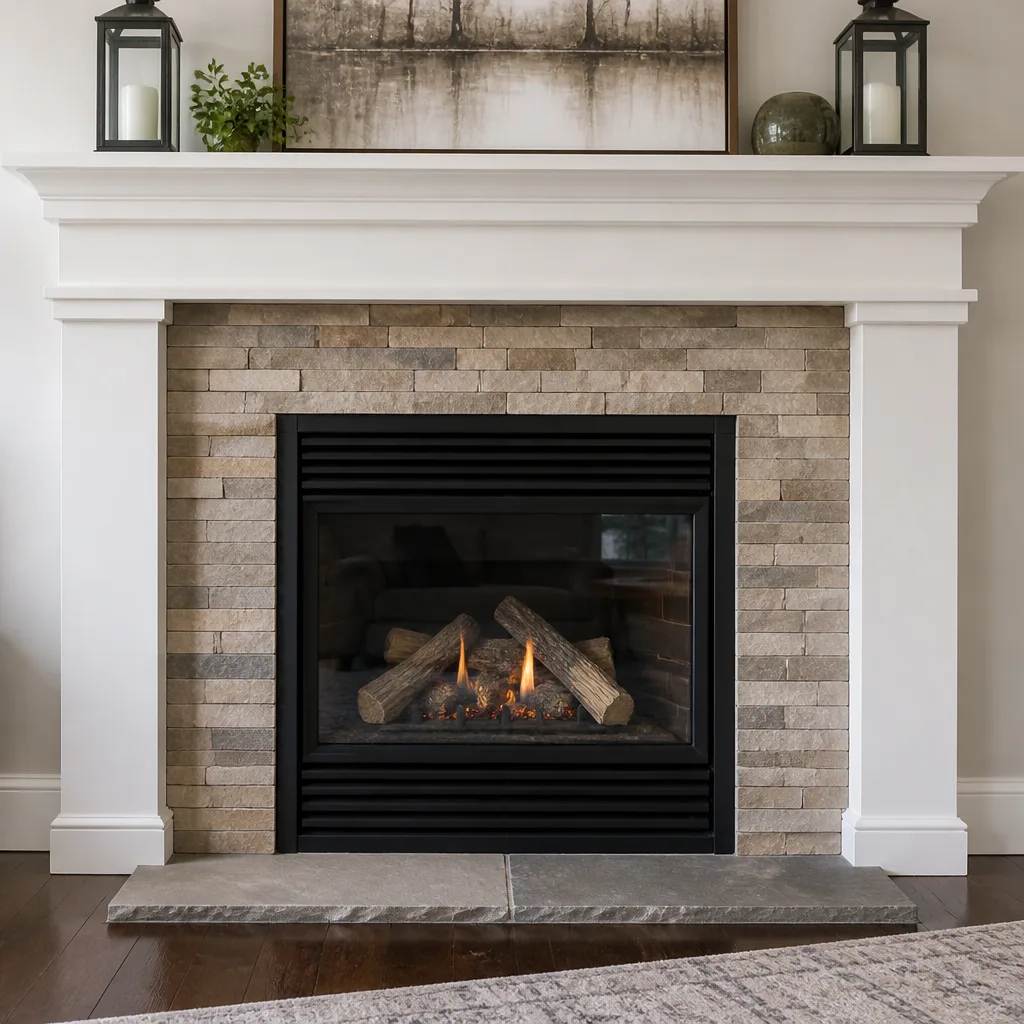 Gas fireplace service
Level 1 sweep and inspection to the NFPA 211 annual standard - flue, crown, cap, and flashing checked and photographed
Chimney sweep logs do not sweep chimneys. They loosen some creosote - which then falls where a brush and vacuum still have to collect it.
Chimney Cleaning Permits, Codes & Inspections in Richmond, CA: What You Need to Know
Here’s the part that surprises most homeowners: a routine chimney cleaning in Richmond almost never needs a permit, but the repairs a cleaning can uncover often do. The line between “cleaning” and “construction” is where liability quietly changes hands. If a sweep finds a cracked liner and swaps it out without pulling a permit, that unpermitted work can follow you to a home sale, an insurance claim, or a fire investigation. This guide walks through which chimney services require permits under California and Contra Costa County rules, what a Richmond fire inspection actually triggers, and the exact questions to ask before anyone touches your flue.
Quick Answer
In Richmond, a standard chimney sweep is maintenance and does not require a permit. Any repair or replacement that changes the structure of the chimney system – a new liner, a firebox rebuild, a damper replacement, cap or crown work that alters the flue – generally requires a permit from the City of Richmond’s building department under the California Building Code. Inspections themselves never require permits, and NFPA 211 sets the national standard your local inspector applies.
Styles & brands we work with
- Sweep & inspection
- Caps & crowns
- Flue relining
- Masonry repair
- Gas fireplace service
Table of Contents
- Cleaning vs. Repair: Where the Permit Line Falls
- What California Building Code Says About Your Chimney
- The Fire Marshal, Wood-Burning Appliances, and What Triggers a Mandatory Inspection
- NFPA 211 and How Richmond Inspectors Apply It
- How to Verify a Permit Was Actually Pulled
- Unpermitted Work and Your Fire Insurance Policy
- The Three Inspection Levels and When You Need Each
- What Permit and Inspection Work Typically Costs in Richmond
Cleaning vs. Repair: Where the Permit Line Falls
This is the distinction that matters most, and the one many homeowners never hear until it’s too late. A chimney cleaning removes creosote, soot, and obstructions from an existing flue. It does not change the flue. No permit. A repair changes, adds to, or replaces part of the flue system. That’s construction, and construction generally needs a permit.
Here’s how we draw the line in practice:
- No permit typically required: a standard sweep, a Level I visual inspection, a Level II camera inspection, replacing a damaged chimney cap with a like-for-like unit, and routine maintenance of existing components.
- Permit typically required: installing a new stainless steel liner, relining a deteriorated flue, restoring damaged flue tile with a product like HeatShield, rebuilding a firebox, replacing a damper assembly, structural crown repair, and any work that changes the chimney’s height, cross-section, or venting path.
Fixing a liner isn’t optional once it’s failed. A compromised flue allows creosote to reach framing or combustion gases to enter the home, and the real exposure comes when that work is completed without a paper trail. California takes permitted work seriously – unpermitted structural work can be flagged at sale, and the seller is usually the one on the hook. When we find a liner issue during a sweep in Richmond, we tell the homeowner plainly which category the fix falls into, and we don’t start until the permit question is settled.
Our chimney repair work follows this rule strictly: repairs that cross the line get permitted, and we explain why before a wrench comes out.
What California Building Code Says About Your Chimney
California Building Code Chapter 18 governs masonry chimneys, and Chapter 8 of the mechanical code governs venting. Both apply in Richmond. What the code is really enforcing, underneath the legalese, is that factory-built and masonry chimneys must be installed and maintained to the manufacturer’s listing and the applicable standard, with correct clearances to combustible framing and a proper termination above the roofline.
That has practical consequences for Richmond homeowners:
- Listed appliances must keep their listed components. A wood stove or insert cannot be field-modified, and a liner swap on a listed unit must use a compatible liner system – not a generic one.
- Clearances are non-negotiable. Framing, insulation, and combustibles near the flue must maintain the specified gap. A reline that changes diameter can affect this.
- Termination and cap requirements apply. The top of the flue must meet the code’s height and clearance rules relative to the roof.
- Permit-required work must be inspected before concealment. A new liner hidden behind finish work can’t be inspected after the fact, which is why the permit sequencing matters.
Richmond’s building department administers these rules locally, and the code language is the same whether you live in the flatlands or up in the hills – but the age and variety of housing throughout the city means we see every chimney configuration imaginable. Some pre-war Richmond homes have chimneys built before modern clearances were standard. Others were retrofitted with inserts in later decades without documentation. That’s exactly the kind of uncertainty a Level II inspection resolves before anyone commits to a repair scope.
The Fire Marshal, Wood-Burning Appliances, and What Triggers a Mandatory Inspection
Here’s where homeowners get confused: the fire marshal doesn’t inspect your chimney after a routine sweep. That’s not what the fire code is for. The fire code (California Fire Code, adopted locally) is about safe operation of wood-burning appliances and clearances in the built environment, and the fire marshal’s role is triggered by specific events, not by routine maintenance.
What can trigger a fire inspector’s involvement:
- A chimney fire that draws a fire department response.
- A complaint or report of smoke, burning odors, or visible chimney deterioration in a rental or commercial property.
- A change of use, remodeling, or new appliance installation that requires a permit review.
- Clearance violations found during a permitted installation’s inspection.
For wood-burning appliances specifically, the fire code also cares about how the appliance is installed and operated – not how clean the flue happens to be. A properly maintained flue is a homeowner responsibility; the fire marshal is there to enforce the safety standard when there’s a reason to look.
If you’ve had a chimney fire, noticed warped metal, cracked tile, or a damaged cap after one, get a Level II inspection before lighting again. A proper chimney sweep includes that scrutiny, not just a brushing out. In our experience, most post-fire damage we find is fixable, but it needs a camera inspection to know what’s actually there.
NFPA 211 and How Richmond Inspectors Apply It
NFPA 211 is the national standard for chimneys, fireplaces, vents, and solid fuel-burning appliances. It’s not a law by itself, but California references it, and local inspectors use it as the technical backbone for judging whether a chimney is safe and correctly built. Understanding what it covers tells you what the inspector on your roof is actually looking at.
NFPA 211 addresses, among other things:
- Required clearances from combustibles for chimneys and venting systems.
- How deterioration in a flue is classified and when repair or relining is required.
- The three levels of inspection (visual, accessible/camera, diagnostic) and when each applies.
- Termination and cap requirements.
- Requirements for the condition of a flue before a new appliance or liner is installed.
A Richmond inspector applying NFPA 211 is really asking one question: is this chimney safe to use as installed? If your flue has a failed section, or a repair changes the flue’s characteristics without a permitted, inspected path, the answer becomes “no.”
This is also why the brand of liner matters. A licensed installer working to NFPA 211 typically specifies a listed, professional-grade liner system – DuraFlex flexible stainless steel liners for offsets and unusual flues, or HeatShield for restoring tile in place rather than tearing it out. Those aren’t hardware-store items, and inspectors expect to see manufacturer documentation. We supply and install these components precisely because they hold up to inspection scrutiny and to actual use.
How to Verify a Permit Was Actually Pulled
This is the step most homeowners skip, and it’s the one that protects you. Don’t take anyone’s word for it. Verify.
Here’s the sequence:
- Ask for the permit number in writing. It should appear on the estimate, the contract, or a follow-up document. If a contractor can’t produce a number before starting, that’s a red flag.
- Confirm it with the City of Richmond. The building department’s permit records are searchable, and a quick call confirms the permit exists, who pulled it, and what scope it covers.
- Ask who’s responsible for inspections. The permit holder schedules the inspection. Write down the inspection schedule so you know when the work is being checked.
- Get the final inspection sign-off. Once work is complete, the permit should close with an approved final inspection. Keep a copy.
One more thing to verify: that the permit scope matches the work actually done. A permit pulled for a general repair that ends up as a full reline understates the scope and can cause problems at resale. The paperwork should reflect reality.
When we schedule a Juniper Chimney Sweep repair that crosses the permit line, we walk the homeowner through this list before we ever quote the job. The permit conversation is part of the diagnosis, not an afterthought.
Unpermitted Work and Your Fire Insurance Policy
This is the practical heart of the whole subject. If a fire happens and the investigation traces it to chimney work, the insurer will ask a specific question: was the work permitted and inspected? If the answer is no, coverage can be denied or contested, and you’re the one holding that exposure as the property owner.
Specific policy language to read in your own homeowner’s policy:
- Duties after loss – the clause that requires you to cooperate in an investigation and produce records. Unpermitted work with no paper trail makes this harder.
- Neglect or faulty workmanship exclusions – language excluding loss from faulty work, which is where unpermitted, uninspected work often gets categorized.
- Ordinance or law coverage – if the home has unpermitted work, bringing it into compliance after a loss may not be covered unless this section is in place.
- Concealment or material misrepresentation – disclosing unpermitted chimney work to the insurer is not the same as hiding it, and disclosure usually protects you.
State law requires sellers to disclose known material defects, and unpermitted work counts. In our experience, this is where the story goes sideways at sale – the buyer’s inspector finds a liner with no permit trail, and the seller is suddenly negotiating a credit for work they thought was finished.
Permitted work isn’t a guarantee against every kind of loss, but it’s the strongest evidence you can have that the work was done correctly. And on the front end, a licensed installation backed by proper permits and inspection is what keeps a small fix from becoming a claim dispute later.
The Three Inspection Levels and When You Need Each
Not every inspection is the same, and knowing the difference helps you decode what a contractor is telling you. NFPA 211 defines three levels, and each has its place in Richmond.
Level I – Visual
The basic visual inspection, usually bundled with a routine sweep. It’s appropriate when you have an appliance you know and use regularly, no changes, and no known issues. It covers readily accessible areas only.
Level II – Accessible with Camera
This is the inspection to insist on any time something is changing. It includes a video camera run through the flue, which shows conditions you and the contractor can’t see from a ladder. A Level II is required for a home sale, a change of appliance, a new liner installation, or after a chimney fire. It’s the inspection that catches failed tile joints and cracks behind the liner.
Level III – Diagnostic
The most thorough level, used when a Level II found conditions that can’t be resolved without opening things up – removing a smoking shelf, accessing concealed construction. It’s rarely needed but critical when it is.
When we do a Level II camera inspection on a Richmond home, we share the evidence on screen. Here’s what we found, here’s what it means – and if the flue is fine, we say so. Nothing gets recommended without photographic evidence you can review yourself, and part of the conversation is telling you plainly when a repair can safely wait.
What Permit and Inspection Work Typically Costs in Richmond
We get asked this constantly, and pricing varies by the permit authority, the scope, and the contractor involved. Here are typical ranges, and the numbers on your written estimate are what set the final price.
- Routine chimney sweep (no permit): typically $100 to $250, depending on flue configuration and access.
- Level I visual inspection: typically included with a cleaning or $75 to $150 on its own.
- Level II camera inspection: typically $150 to $350, depending on flue height and complexity.
- City permit fees: set by the permitting authority and vary with scope; the contractor quotes the total, and you’ll see the fee on the paperwork.
- New stainless steel liner installation: a mid-thousand-dollar to multi-thousand-dollar project, priced by length and configuration; this is permitted work.
- HeatShield flue tile restoration: typically less than a full reline, since the existing tile is restored rather than replaced.
A realistic timeline from inspection to closed permit depends on the scope: a straightforward liner can be installed in a day and inspected quickly, while a firebox rebuild or a complex flue may span several visits. The permit holder schedules the inspections, and you should expect a copy of the final sign-off.
Common Mistakes to Avoid
- Assuming a sweep and a repair are the same thing. A cleaning is maintenance; a liner or firebox fix is construction. Treating them interchangeably is how homeowners end up with unpermitted structural work.
- Not asking for the permit number in writing. “We’ll handle the permit” is not verification. Get the number, then confirm it with the city.
- Hiring a sweep who can’t do the repair. A cleaning crew that finds a problem and hands it off to a separate contractor leaves you to coordinate two parties and confirm the permit yourself.
- Skipping the Level II before a home sale. Richmond buyers’ inspectors will run a camera. Better to have that report yourself before a negotiation starts.
- Skipping a post-fire inspection. A chimney fire can leave warped components and damaged tile that aren’t visible from below. Get a Level II before using the fireplace again.
- Disclosing nothing. Known material defects, including unpermitted chimney work, are a disclosure issue in California. Hiding it tends to go worse than fixing it.
- Choosing a liner on price alone. Unlisted, generic liners don’t hold up to inspection scrutiny. A listed system from a professional-tier brand is the thing that survives a fire and a resale.
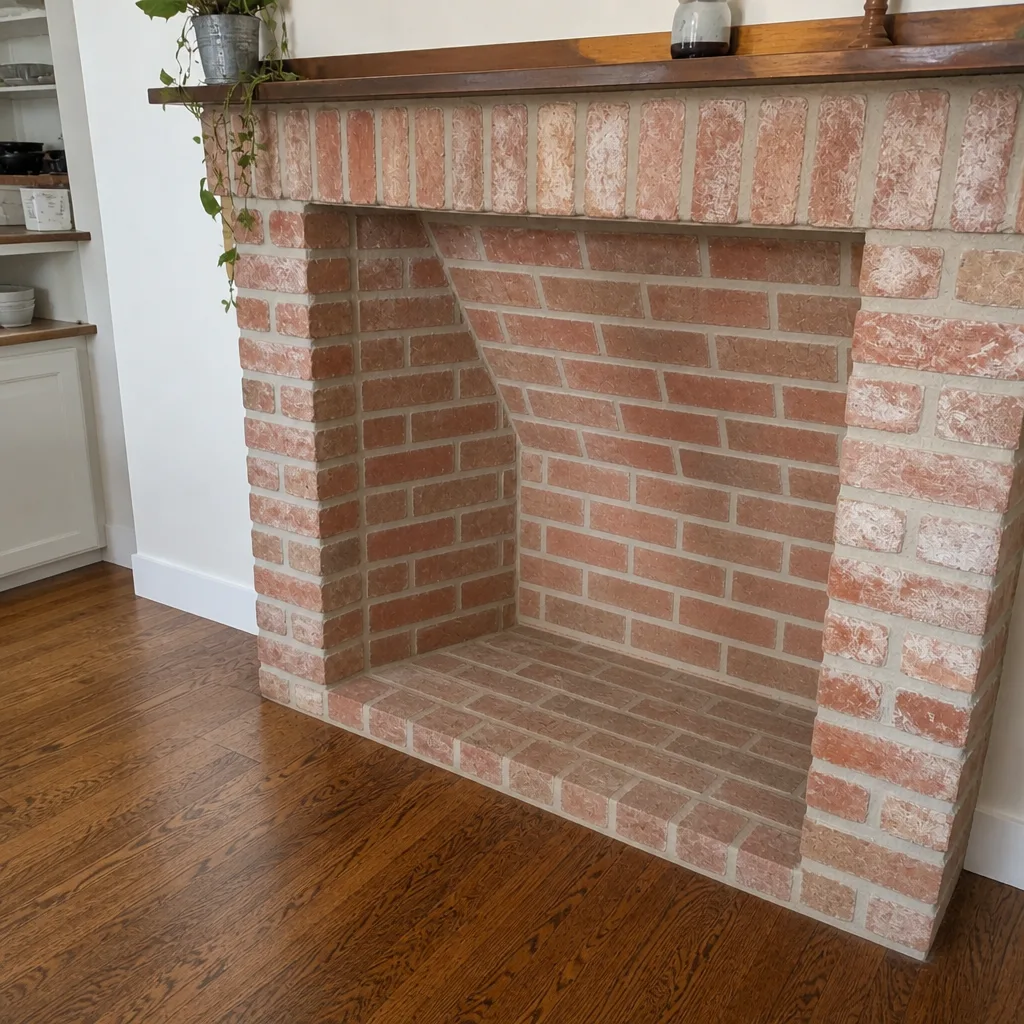
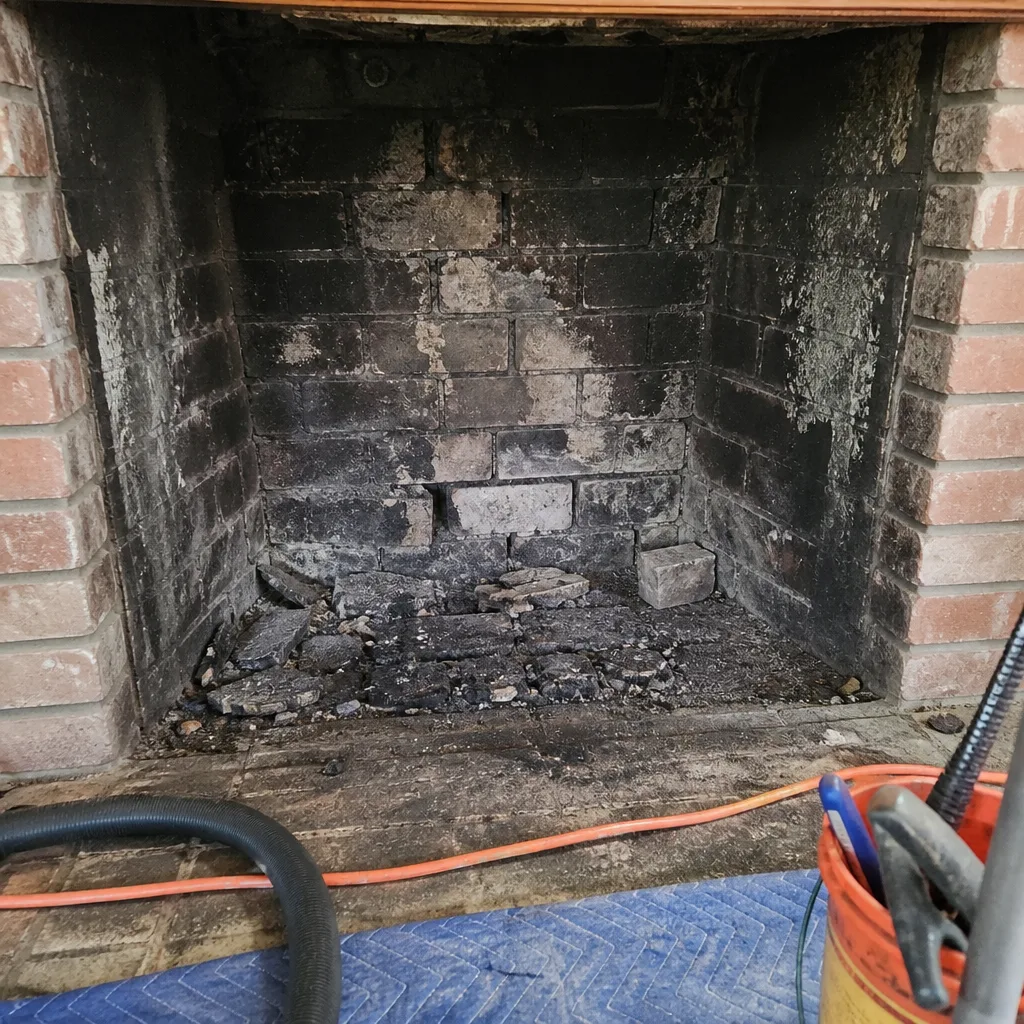
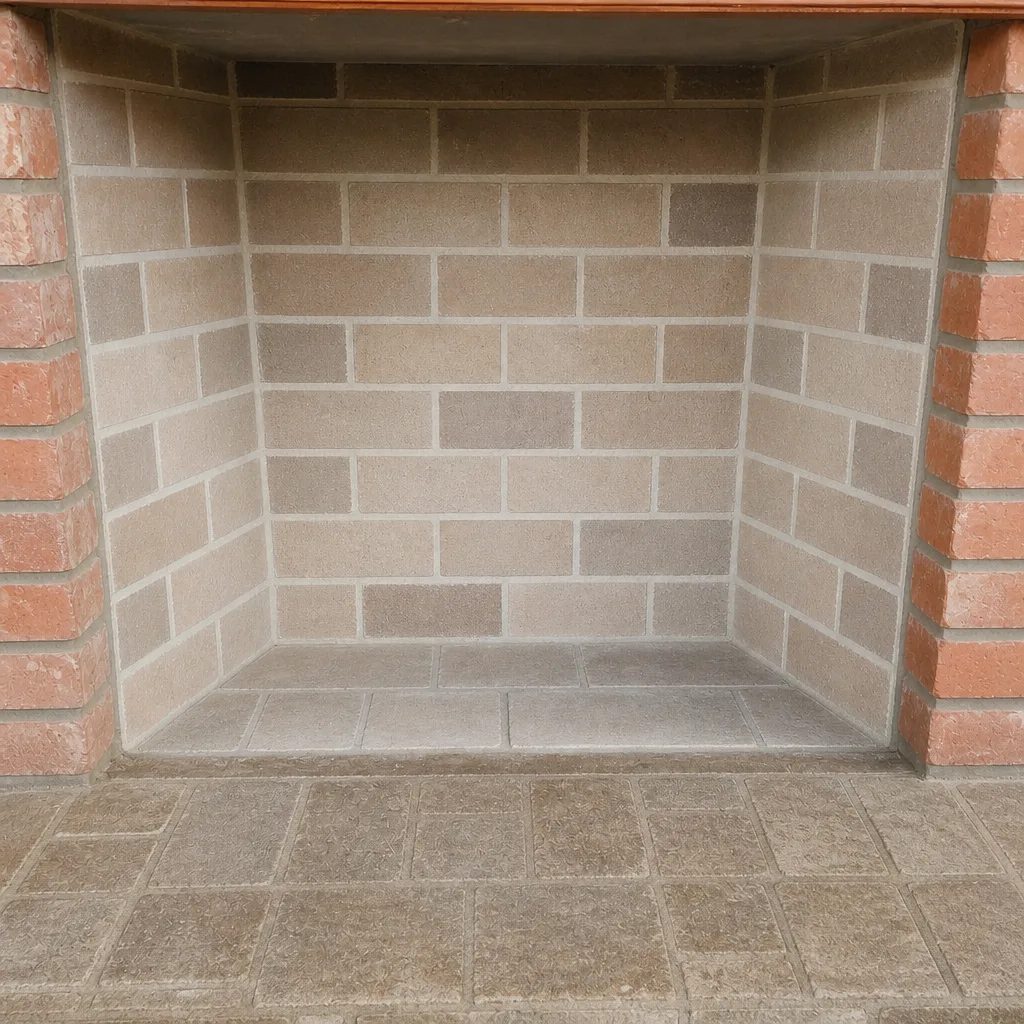
See the difference
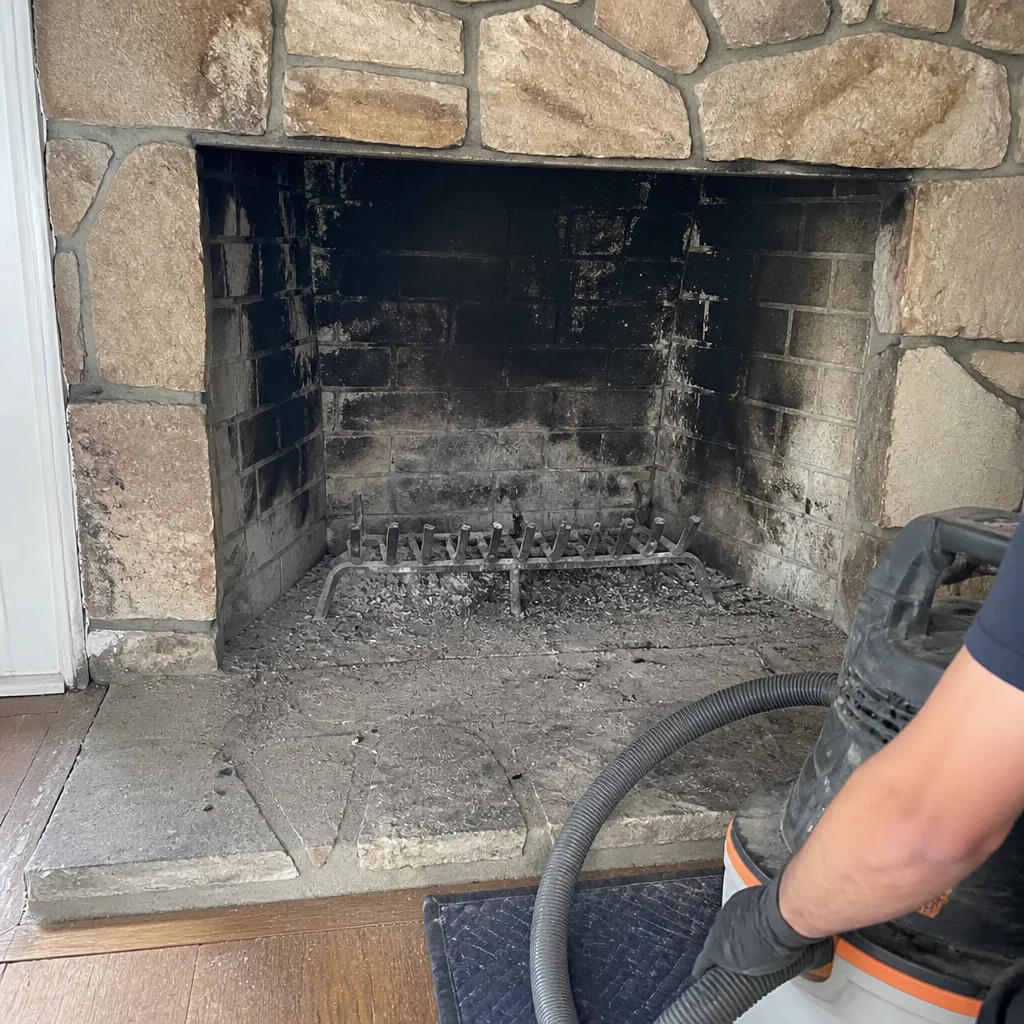 Before
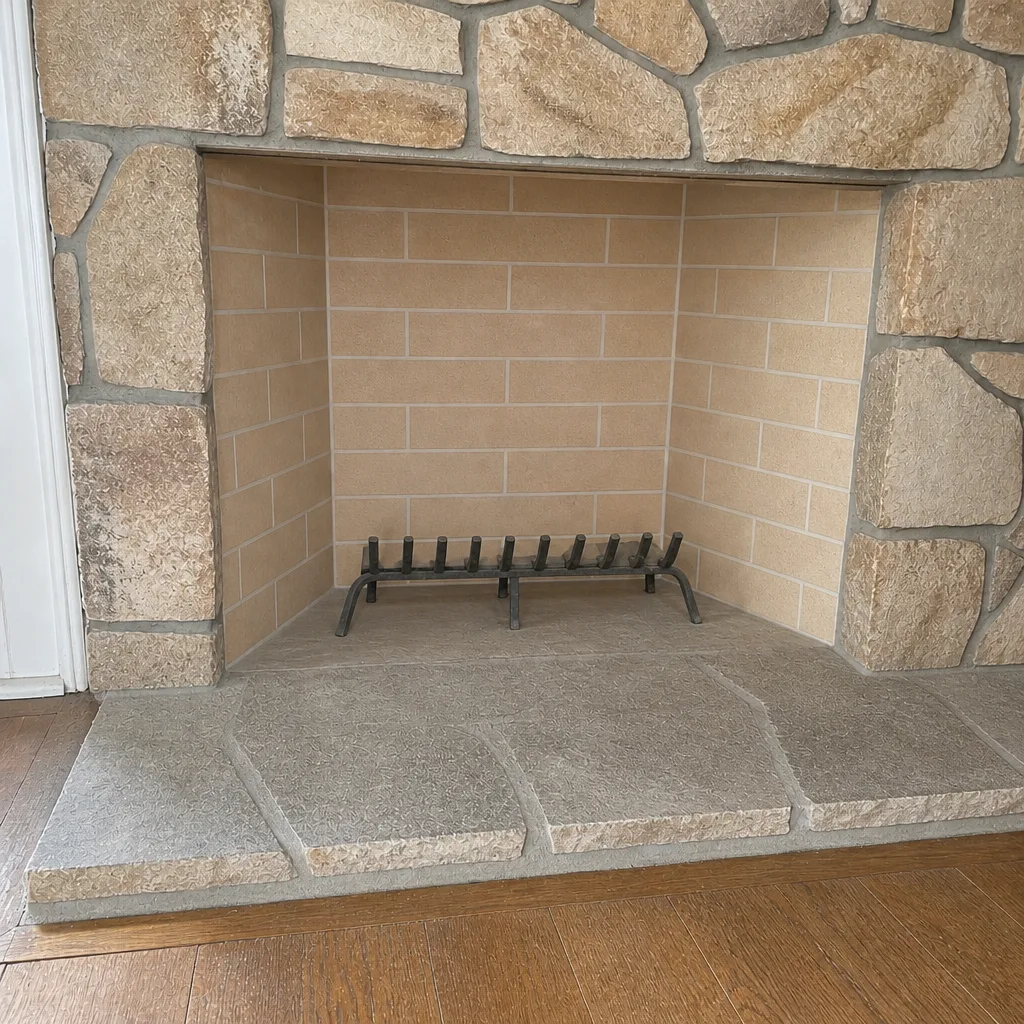 After
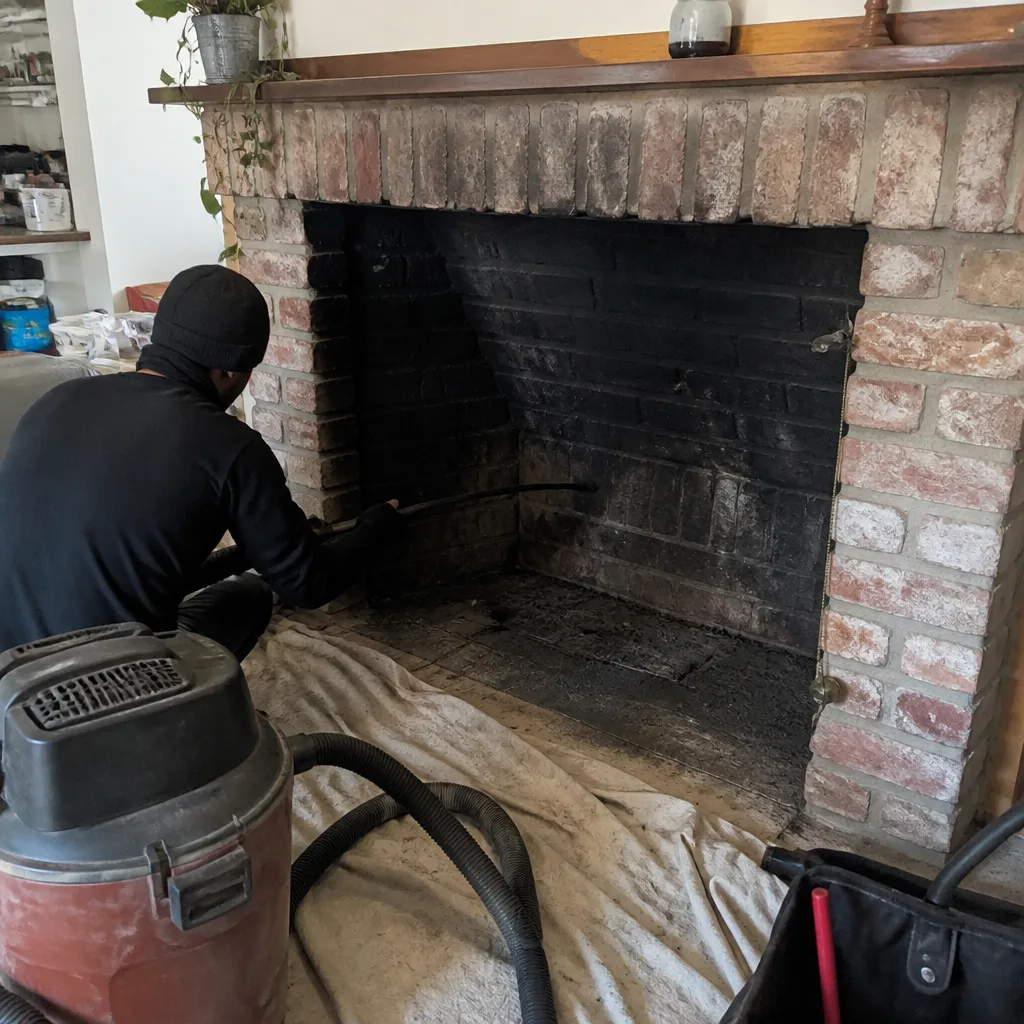 Before
 After
 Before
 After
When to Call a Professional
Call a professional when a sweep uncovers something that needs fixing – and especially when that repair crosses into permitted territory. A few scenarios that always warrant a call:
- Your sweep says the liner is cracked, deteriorated, or failing.
- You’ve had a chimney fire or noticed smoke coming into the room.
- You’re selling or buying a home and need a Level II inspection for the file.
- You’re installing an insert or wood stove and need the venting checked first.
- You’ve never had the chimney inspected and don’t know what’s in the flue.
We find it and fix it in the same visit when possible, so you’re not coordinating a sweep crew and a repair crew as separate parties. We supply and install professional-grade components, and when a repair needs a permit, we handle the permit conversation as part of the job. Juniper Chimney Sweep offers free estimates in Richmond – call (866) 361-9755. We answer 24/7. Fast dispatch from 7am to 7pm, Sunday through Friday.
Frequently Asked Questions
No. A standard chimney cleaning is maintenance and does not require a permit from the City of Richmond. Permits come into play when the work shifts from cleaning into repair or replacement – a new liner, a firebox rebuild, a damper replacement, or any change to the flue structure. Call (866) 361-9755 for an exact quote on inspection or repair work – estimates are free.
A typical chimney sweep in Richmond runs about $100 to $250, depending on flue configuration and access, and a Level II camera inspection adds roughly $150 to $350. These are estimates; the written quote after inspection sets the final price. Call (866) 361-9755 for an exact quote – estimates are free.
You need a new liner when the camera shows failed tile joints, cracks, or a deteriorated flue that can no longer safely contain combustion gases – and not before. We don’t recommend a liner without photographic evidence you can review yourself, and we’ll tell you plainly when a repair can safely wait. Call (866) 361-9755 – estimates are free.
NFPA 211 recommends an annual inspection and sweeping as needed, and for wood-burning fireplaces that are used regularly, annual is the right rhythm. Gas inserts need inspection too, though less frequently for creosote. The inspection decides whether a sweep is actually needed. Call (866) 361-9755 for an exact quote – estimates are free.
Skipping an inspection lets a failed liner or deteriorated flue go unnoticed, and both affect your safety and your insurance position – a fire traced to neglected chimney work can complicate a claim. The inspection is how you find out before that happens. Call (866) 361-9755 for an exact quote – estimates are free.
When a repair crosses into permitted work, the permit should be pulled before the work starts, the inspections scheduled by the permit holder, and the final sign-off kept with your records. We handle that conversation on our Richmond repair jobs and show you the paperwork. Call (866) 361-9755 for an exact quote – estimates are free.
The Bottom Line
In Richmond, cleaning doesn’t need a permit, but repairs do – and the line between them is where liability gets decided. Insist on a Level II inspection when anything is changing, ask for the permit number in writing, verify it with the city, and keep the final sign-off. Read your insurance policy for the duties-after-loss and faulty-workmanship language before you ever need it. And when a repair is recommended, ask for the camera evidence. A reputable company will show you what it found, explain what it means, and tell you when the flue is fine. That’s the standard your chimney deserves. Call (866) 361-9755. We answer 24/7. Fast dispatch from 7am to 7pm, Sunday through Friday. Explore our Richmond service area for more on how we work.
Written by the team at Juniper Chimney Sweep.