
Last updated November 15, 2026
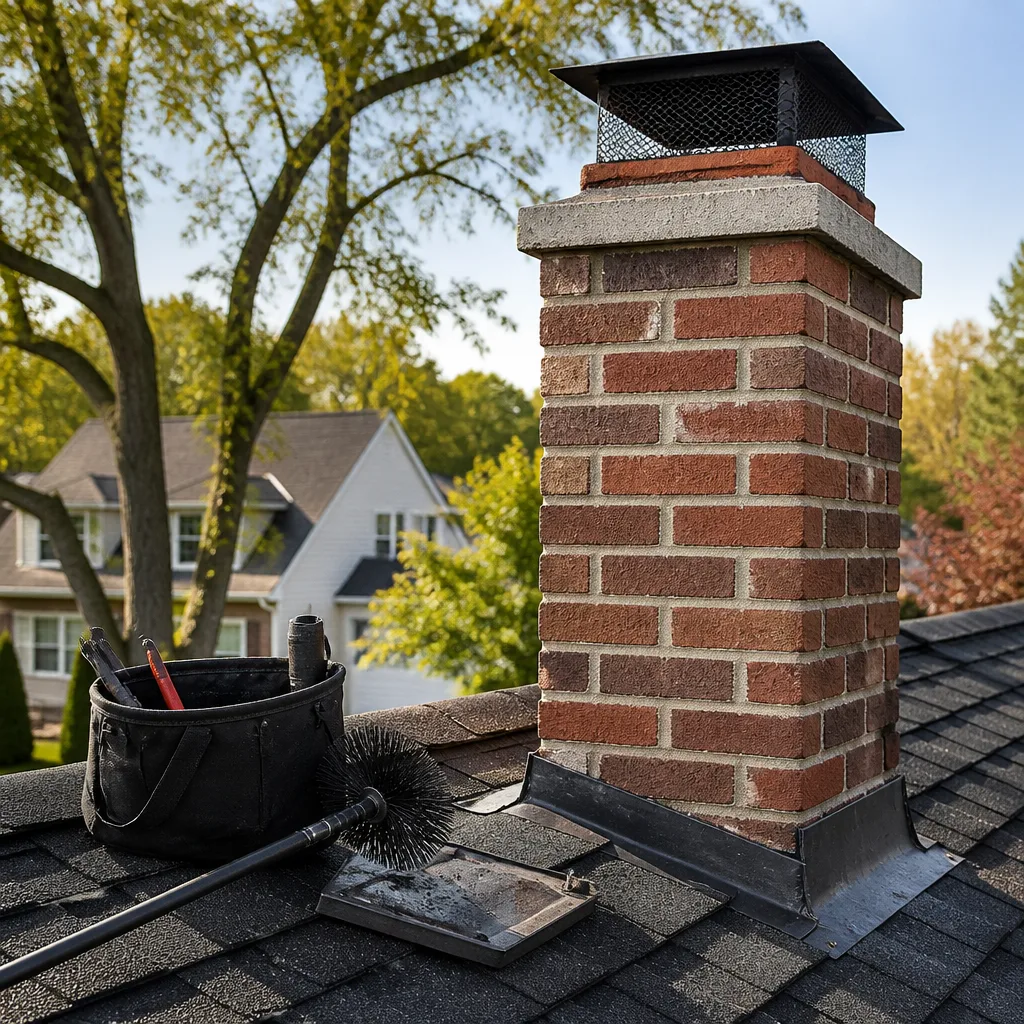 Sweep & inspection
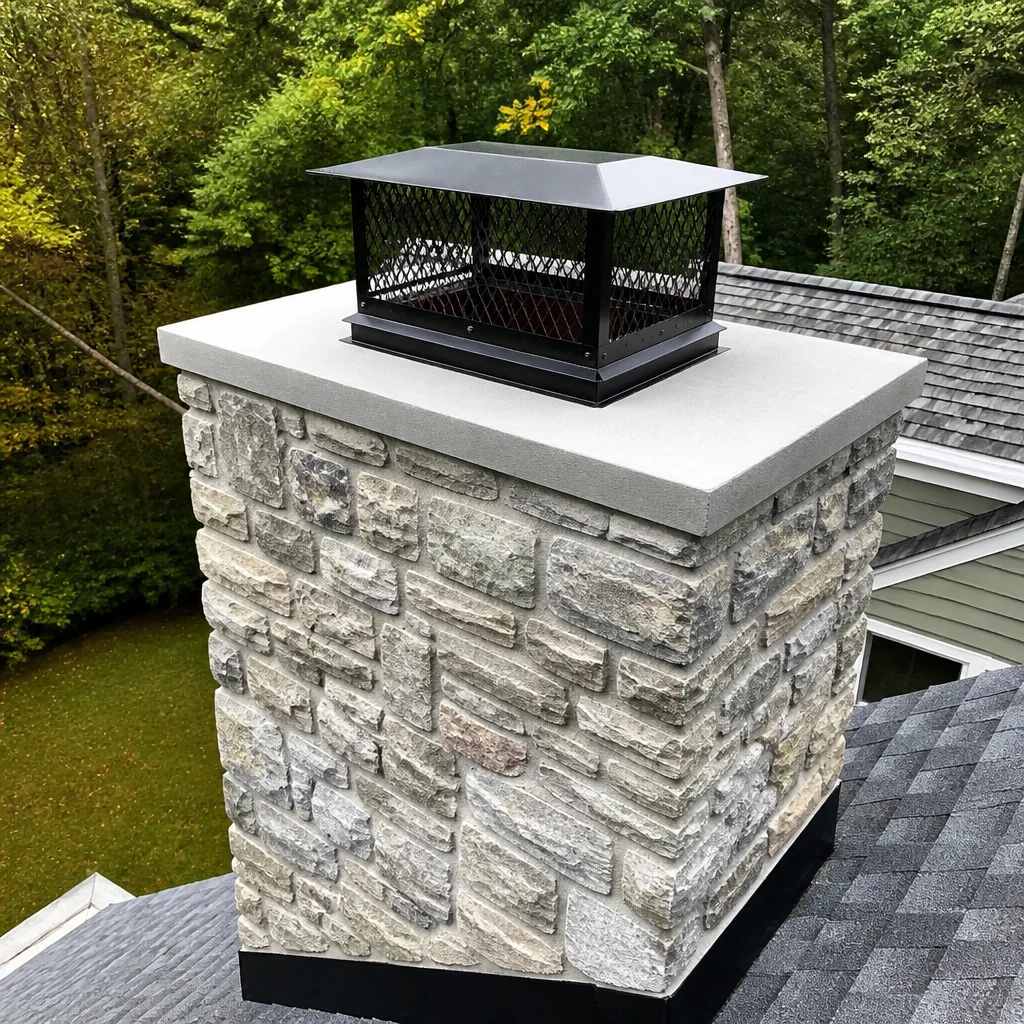 Caps & crowns
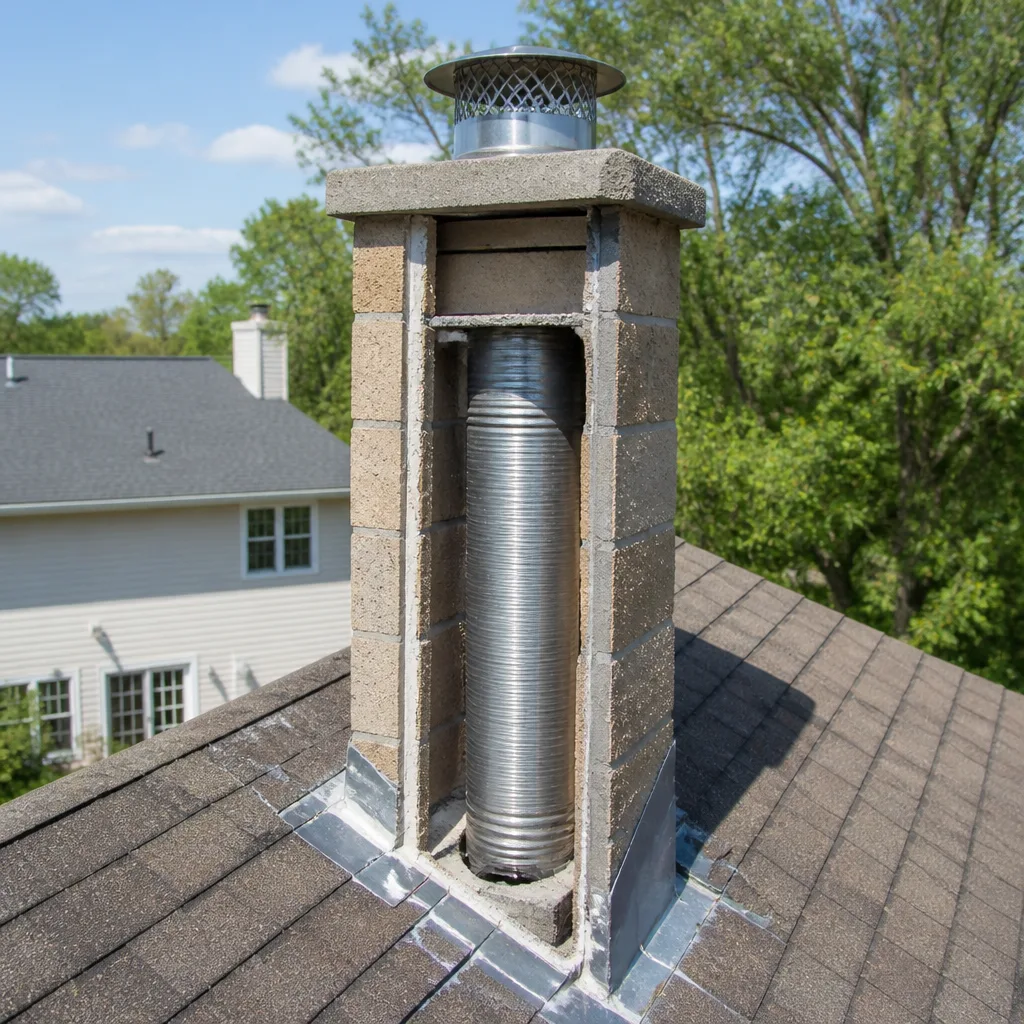 Flue relining
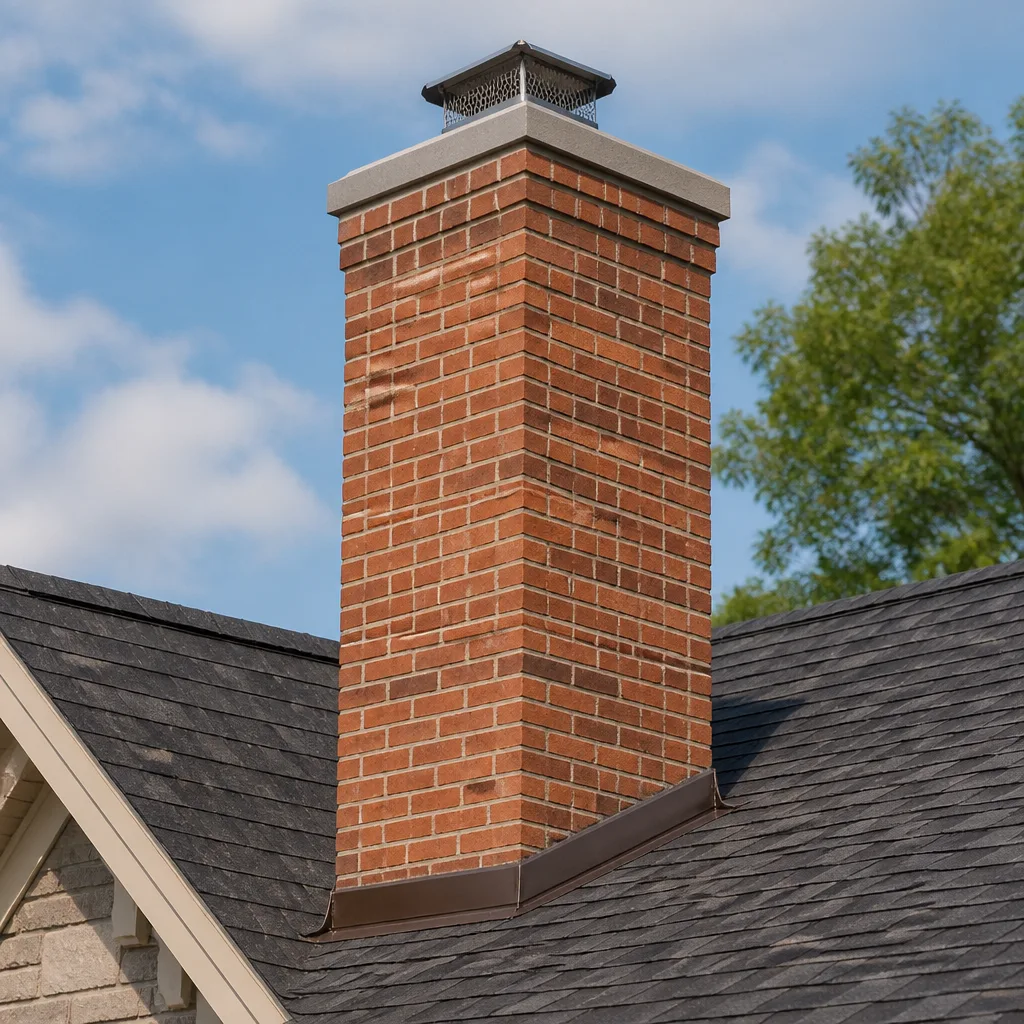 Masonry repair
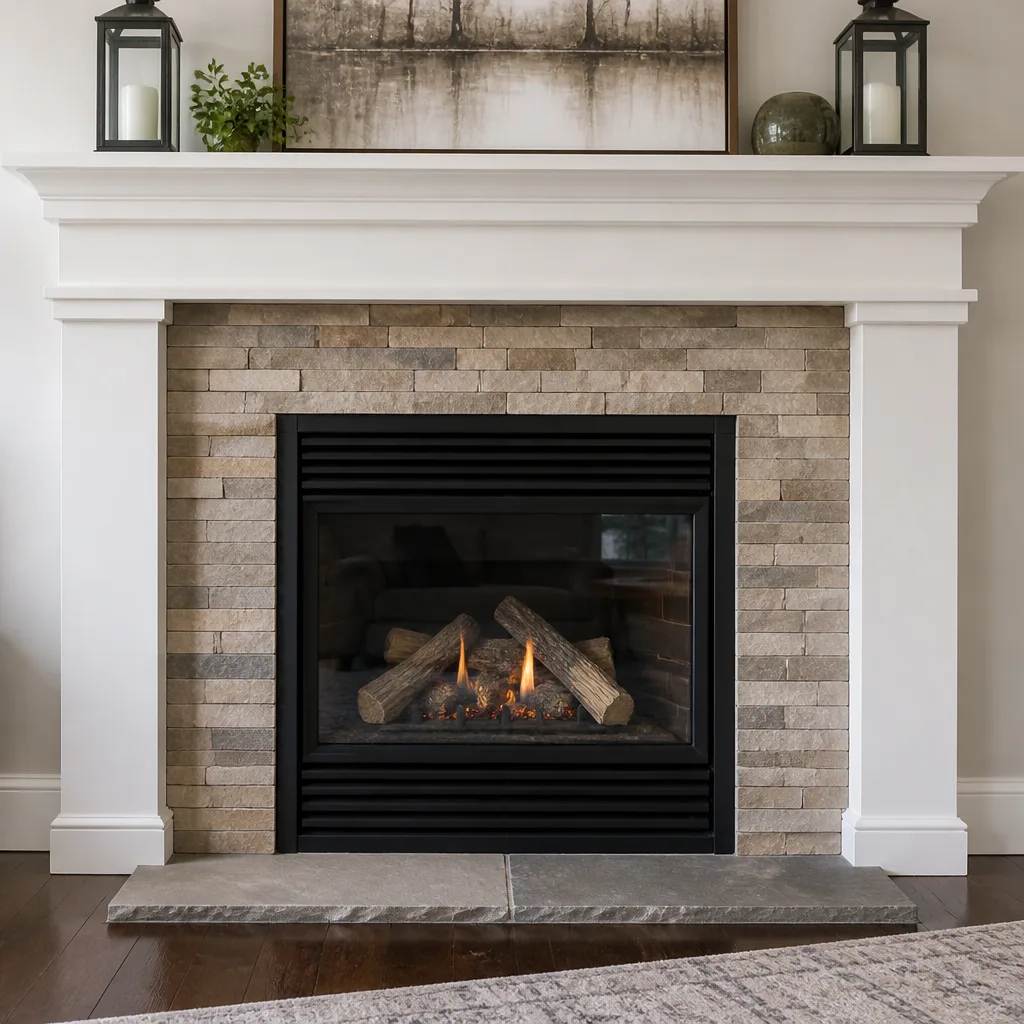 Gas fireplace service
Level 1 sweep and inspection to the NFPA 211 annual standard - flue, crown, cap, and flashing checked and photographed
Chimney sweep logs do not sweep chimneys. They loosen some creosote - which then falls where a brush and vacuum still have to collect it.
Chimney Sweep Maintenance Schedule: What to Do and When
Most chimney advice you’ll read boils down to one line: get it swept once a year. That’s not wrong, but it’s incomplete. The annual standard was written for typical use, and if you burned more than two cords of wood last winter, or you run a wood stove hard through the cooler months, you’ve already outpaced it. Creosote builds at a rate that has nothing to do with the calendar and everything to do with your fuel, your burn habits, and how much moisture your wood carries. Richmond‘s mild, damp winters shape that rate too. This guide gives you a real maintenance calendar, one built around what your flue is actually doing, so you can tell the difference between a component check, a cleaning trigger, and a full inspection.
Quick Answer
Schedule a Level I inspection once a year, and add a cleaning whenever soot or creosote reaches about 1/8 inch on the flue walls. Check the cap, crown, damper, and liner on a separate rhythm from the sweep, because they wear on different timelines. In Richmond, plan your main inspection for September’s shoulder season so any repair is finished before the first burn.
Styles & brands we work with
- Sweep & inspection
- Caps & crowns
- Flue relining
- Masonry repair
- Gas fireplace service
Table of Contents
- Why a Single Annual Sweep Is the Floor, Not the Ceiling
- Your Month-by-Month Chimney Maintenance Calendar
- How Creosote Rate, Not the Calendar, Drives Cleaning Frequency
- Your Between-Visit Check: Mirror and Flashlight
- Gas Fireplace Maintenance: Yes, It Still Needs a Schedule
- The Post-Storm Checklist for Bay Area Rain Events
- What a September Shoulder-Season Inspection Catches
- Component Rhythms: Cap, Crown, Damper, Liner
Why a Single Annual Sweep Is the Floor, Not the Ceiling
The annual recommendation is a good baseline, but it treats every chimney as if it’s used the same way. They aren’t. A homeowner running a gas insert a few evenings a month has a very different flue than someone heating with a wood stove from November through March. A fireplace that sees two cords a winter accumulates far more creosote than one that hosts a handful of fires.
Think of the annual standard as the minimum inspection interval, not a complete maintenance plan. What actually keeps your flue healthy is a schedule that separates three jobs people wrongly collapse into one:
- Inspection is diagnostic. It tells you the condition of the flue, liner, cap, and all the parts you can’t see from the hearth. It runs on a fixed yearly rhythm.
- Cleaning is triggered by what’s there. You clean when deposits reach a threshold, not simply because twelve months passed.
- Component checks follow their own wear timelines. A cap, a crown, and a damper don’t degrade at the same pace as soot buildup.
When you keep these three on separate clocks, you stop paying for unnecessary sweeps and you stop missing the small failures that turn into expensive repairs. In Richmond’s climate, where winters are damp but rarely hard-freezing and the shoulder seasons get wet, that separation matters more than in a drier climate. Moisture speeds up some kinds of deterioration, and the rain that arrives sideways during a storm finds any weakness in the crown or flashing.
If you want a diagnostic baseline you can build the calendar on, a Juniper Chimney Sweep inspection gives you one. We find what’s going on and explain what it means, so your schedule is based on your flue rather than a generic reminder.
Your Month-by-Month Chimney Maintenance Calendar
Here’s the calendar we walk homeowners through. It assumes a wood-burning fireplace or stove, with adjustments noted for gas. It’s built around Richmond’s burn season, which runs late fall through early spring, so the heavy work lands before and after rather than during.
- September – main inspection and sweep. This is the shoulder season. Get your Level I inspection done and clean out the off-season buildup before the first fire. Any repair surfaced here gets finished while the weather is still mild.
- October – pre-burn component check. Confirm the damper opens and closes smoothly, the cap is intact, and the firebox is clear. If your wood isn’t fully seasoned yet, put off the first serious burns.
- November through February – burn season discipline. Burn dry wood, avoid smoldering fires, and use the mirror-and-flashlight check (below) every few weeks. If you’re burning heavily, watch for that 1/8 inch line.
- March – end-of-season look. After your last fire, do a quick visual pass and note anything that changed over the winter. Heavy-use households may want a cleaning here rather than waiting for fall.
- April through May – the wet-season inspection. This is when Bay Area rain does its work on crowns and flashing. Look for staining, cracked masonry, or water where it shouldn’t be.
- June through August – repair window. The dry, warm months are the right time for any masonry or liner work you found earlier. Materials cure well and repairs aren’t rushed against the first fire.
- Any month – the 1/8 inch trigger. If your between-visit check shows creosote at that threshold, clean regardless of the date. The schedule serves the flue, not the other way around.
Gas insert owners can compress this calendar considerably, but you shouldn’t skip it entirely. More on that in the gas section below.
How Creosote Rate, Not the Calendar, Drives Cleaning Frequency
Creosote is the tar-like residue left when wood smoke cools before it leaves the chimney. It builds in three recognizable forms, and the rate depends on how completely your fuel burns. That’s why cleaning frequency should follow accumulation, not the date. Two houses on the same street can need very different cleaning intervals.
What speeds up buildup:
- Wet wood. Unseasoned or damp wood burns cooler and smokier, and cooler smoke deposits more creosote. Dry, seasoned wood is the single biggest lever you control.
- Smoldering, low-oxygen fires. Damping a fire down so it smolders overnight produces more residue than a hot, clean burn.
- Oversized fireboxes with small fires. A big firebox with a small fire runs cold and smokes.
- Cold, exterior chimneys. Flues on an outside wall stay colder, so smoke cools faster and deposits sooner.
- Heavy use. More cords burned means more residue, full stop. This is where the two-cord line in the opening comes from.
The practical rule: clean at roughly 1/8 inch of buildup. Below that, you can often wait. Above that, glazed creosote becomes harder to remove and riskier to leave. Our technicians have up to 13 years of experience reading that buildup, and they’ll tell you straight whether you’re at a cleaning trigger or can safely wait a season. That honest read is the whole point of an inspection. If a flue is glazed and the tile behind it is degrading, we can restore it with a HeatShield liner application rather than recommending a full teardown, a repair option most sweep-only companies simply can’t offer.
Your Between-Visit Check: Mirror and Flashlight
You don’t need tools or training to catch the early signs between professional visits. A small mirror and a flashlight will tell you a lot, and it takes a few minutes. This is a look, not a cleaning, so you can note what you see for the next inspection.
- Make sure the fire is fully out and the fireplace has cooled completely.
- Open the damper and shine the flashlight up the flue.
- Use the mirror at an angle to see the flue walls above the smoke shelf.
- Look for shiny, tar-like, or flaky buildup. Note its thickness against the rough 1/8 inch guide.
- Check the firebox for loose mortar or cracks, and the damper for smooth movement.
- Write down anything that looks different from your last check, and take a photo if you can.
Keep this simple. If buildup looks thick, glazed, or flaky, that’s your signal to book a cleaning before the next fire. Don’t try to reach up and scrape it yourself. Creosote is a fire hazard, and the flue is a confined space, so leave the removal to a trained technician. This check is about knowing when to call, not doing the work.
Gas Fireplace Maintenance: Yes, It Still Needs a Schedule
A gas insert or gas log set doesn’t produce creosote the way wood does, but “gas means no maintenance” is one of the most common assumptions we run into, and it’s wrong. Gas appliances still vent combustion byproducts through a flue, and they still collect dust, debris, and the occasional bird nest. The maintenance is different in kind, not absent.
What gas maintenance actually covers:
- Venting and termination checks. The vent pipe and exterior termination need to be clear and intact. A blocked or rusted termination can let exhaust spill back instead of leaving.
- Firebox and log condition. Gas logs and burners can develop soot, mineral deposits, or damage over time. They need a visual check, not a sweep.
- Debris and animal intrusion. An intact cap matters here more than almost anywhere. A cap from a maker like Gelco keeps out the birds and debris that cause the venting problems gas owners tend to miss.
- Carbon monoxide awareness. Any fuel-burning appliance carries a CO risk if venting fails. That’s the real safety reason a gas setup still gets inspected. We flag any venting concern we find and let you know what it means.
A reasonable gas schedule is a visual inspection once a year, usually in the fall, with any cleaning done as needed. If you notice soot on the logs, a smell when the unit runs, or a termination that looks loose, don’t wait for the annual date. Those are reasons to inspect sooner.
The Post-Storm Checklist for Bay Area Rain Events
Bay Area storms arrive with wind and heavy rain, and the chimney is one of the parts of your house most exposed to both. The water that stresses a chimney rarely comes from straight down; it comes from wind-driven rain pushing against the crown and flashing. A quick pass after a big storm catches most of the damage before it spreads.
After a heavy rain event, check:
- The crown. Look at the concrete or mortar cap at the top of the chimney for new cracks or crumbling edges. Cracks let water in, and water in the masonry is the root of most expensive chimney repairs.
- The flashing. The metal or membrane where the chimney meets the roof is a common leak point. Look for lifted edges, gaps, or water stains on the ceiling below the chimney.
- The cap. Confirm the chimney cap is still seated and the mesh is intact. A wind-damaged cap lets water and animals straight into the flue.
- Interior staining. Look for new water stains, dampness, or a musty smell around the firebox or on nearby ceilings.
- Spalled masonry. Flaking or crumbling brick faces signal water penetration that needs attention.
Storm damage is a case where a look becomes a call. Loose flashing, a cracked crown, or new interior staining all deserve an inspection, because water damage compounds. In our experience, catching it after the first storm is far simpler and cheaper than addressing a masonry problem a season later.
What a September Shoulder-Season Inspection Catches
Timing your main inspection for September isn’t arbitrary. It catches things a mid-winter or spring call misses, and it sets you up for the burn season instead of chasing problems during it.
A September inspection does three things a well-timed visit can’t do at any other moment:
- It catches off-season deterioration. Spring and summer are when water from winter storms, animal intrusion, and masonry settling show up. By September you’re seeing a full season’s worth of change and can address it before the first fire.
- It leaves room to repair. If we find a cracked crown, worn cap, or a liner that needs attention, there’s still time to order the right component and install it before you need the fireplace. A mid-winter discovery usually means burning wood in a compromised flue or doing without heat while parts arrive.
- It establishes your baseline for the season. A clean, inspected flue in September means you know exactly what you’re starting from, so every between-visit check has something to compare against.
There’s a practical plus: fall house prep is already on your mind, and the weather is still mild enough that roof-level work is comfortable to schedule. Since the flue is a system and not a single dirty pipe, the September visit is your chance to have the whole thing looked at. Our chimney sweep during that visit clears the buildup so the inspection reads true. When we find a fix, we don’t hand you a list and send you elsewhere. We find it and fix it in the same visit when possible, using professional-tier components from DuraFlex and Olympia Chimney so the repair matches the rest of the system.
Component Rhythms: Cap, Crown, Damper, Liner
Each part of your flue system wears on its own timeline, which is exactly why you shouldn’t fold everything into a single annual sweep. Knowing these rhythms helps you spot a problem in the right order.
- Crown – inspect every year, repair the moment you see cracks. The crown is the concrete top that sheds water away from the flue. Cracks let water in and are the entry point for most masonry damage. A small crack is a routine fix; a neglected one is a rebuild.
- Cap – inspect yearly, replace when the mesh or seating fails. The cap keeps out rain, debris, and animals. Well-made caps from Famco and Copperfield hold up well, but no cap lasts forever. A loose or rusted cap is a simple replacement that prevents more than it costs.
- Damper – check every season, repair when it won’t seal. The damper controls airflow and seals the flue when the fireplace is idle. A damper that won’t close lets heat and money up the chimney; one that won’t open causes smoky fires.
- Liner – inspect yearly, restore when it’s spalled or cracked. The liner is the flue’s interior surface and the part most worth watching. Cracked or deteriorated tile is a fire risk because heat and gases can reach the surrounding structure. A flexible stainless reline with DuraFlex can restore an aged or offset flue, and a HeatShield application can rehab failing tile without a teardown. These are repairs most cleaning-only outfits can’t offer.
Keeping these on separate rhythms is the core of a real calendar. It’s also where a single company owning the work pays off. Because we source and install professional-grade components in the same visit year after year, nothing falls between a cleaner who finds a problem and a repair crew who starts from scratch. If you’re in Richmond and want the diagnostic side handled by people who can also do the fix, that’s exactly how we work.
Common Mistakes to Avoid
- Treating the annual sweep as the entire plan. Cleaning without inspecting misses cracks, worn caps, and failing liners that a sweep alone never addresses. The inspection is what turns a routine cleaning into real chimney health.
- Cleaning only by date and ignoring buildup. A heavy-use household can hit the 1/8 inch threshold in a single season, while a light user may not. Match cleaning to what’s actually in the flue.
- Burning wet or unseasoned wood. Damp wood burns cool and smokey, and it’s the leading cause of fast creosote buildup. Season your wood and your flue will thank you.
- Skipping gas maintenance because it’s gas. A gas insert still needs a yearly venting inspection and CO awareness. Assuming gas needs nothing is the same mistake in a different fuel.
- Ignoring the chimney after rainstorms. Water is patient and expensive. Staining, a cracked crown, or loose flashing after a storm should be looked at before it becomes masonry damage.
- Putting off repairs to next year. A cracked crown or a failing liner gets worse, not cheaper. In Richmond’s wet shoulder seasons, water finds every crack, so repair in the dry window rather than waiting.
- Trying DIY cleaning on a glazed flue. Glazed creosote is a real fire hazard and hard to remove safely in a confined space. That’s a job for a trained technician with the right tools.
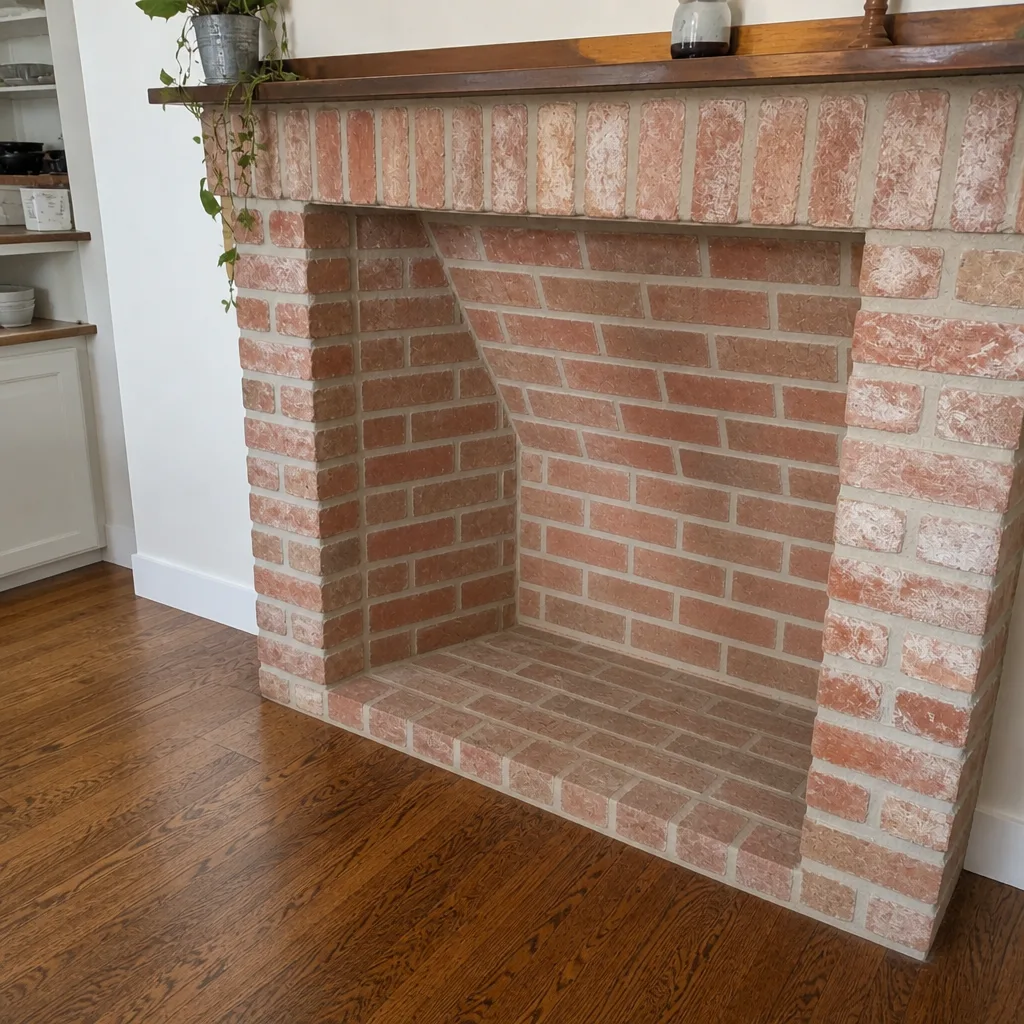
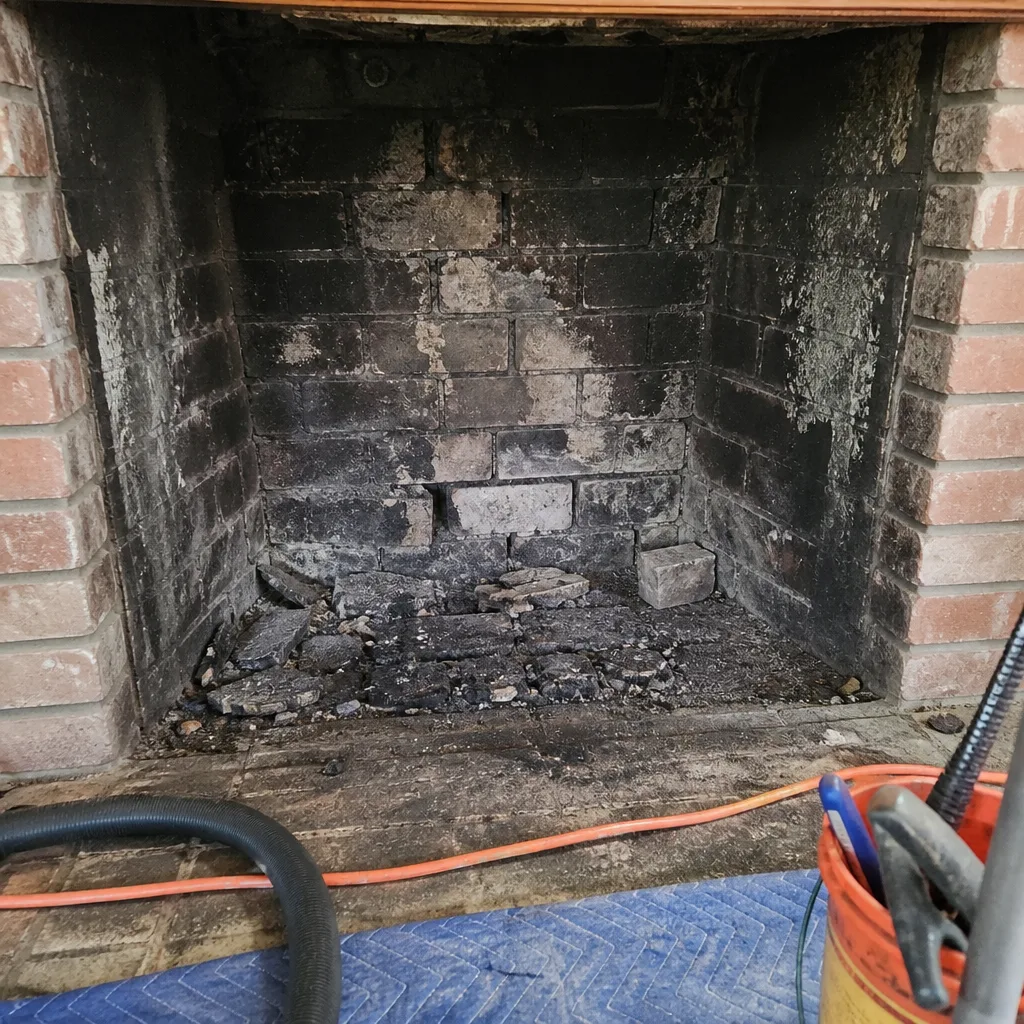
See the difference
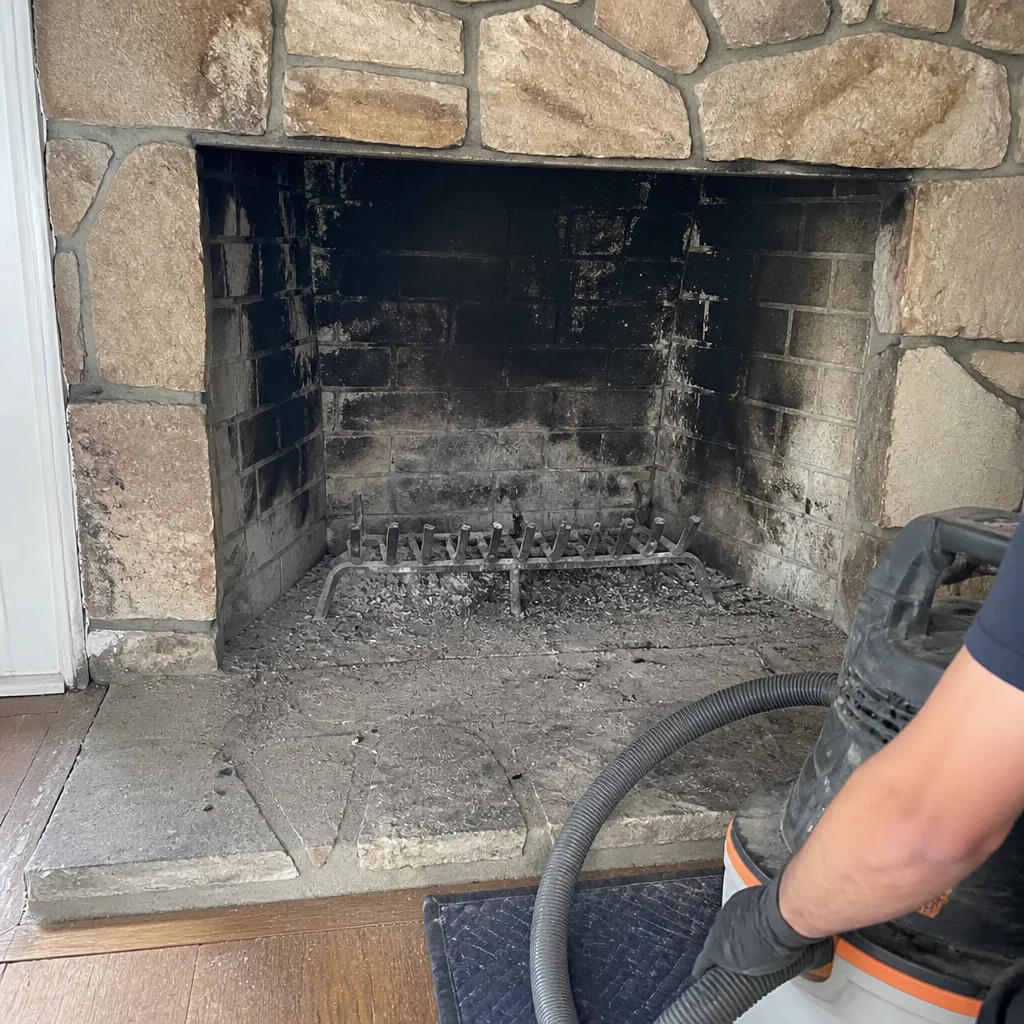 Before
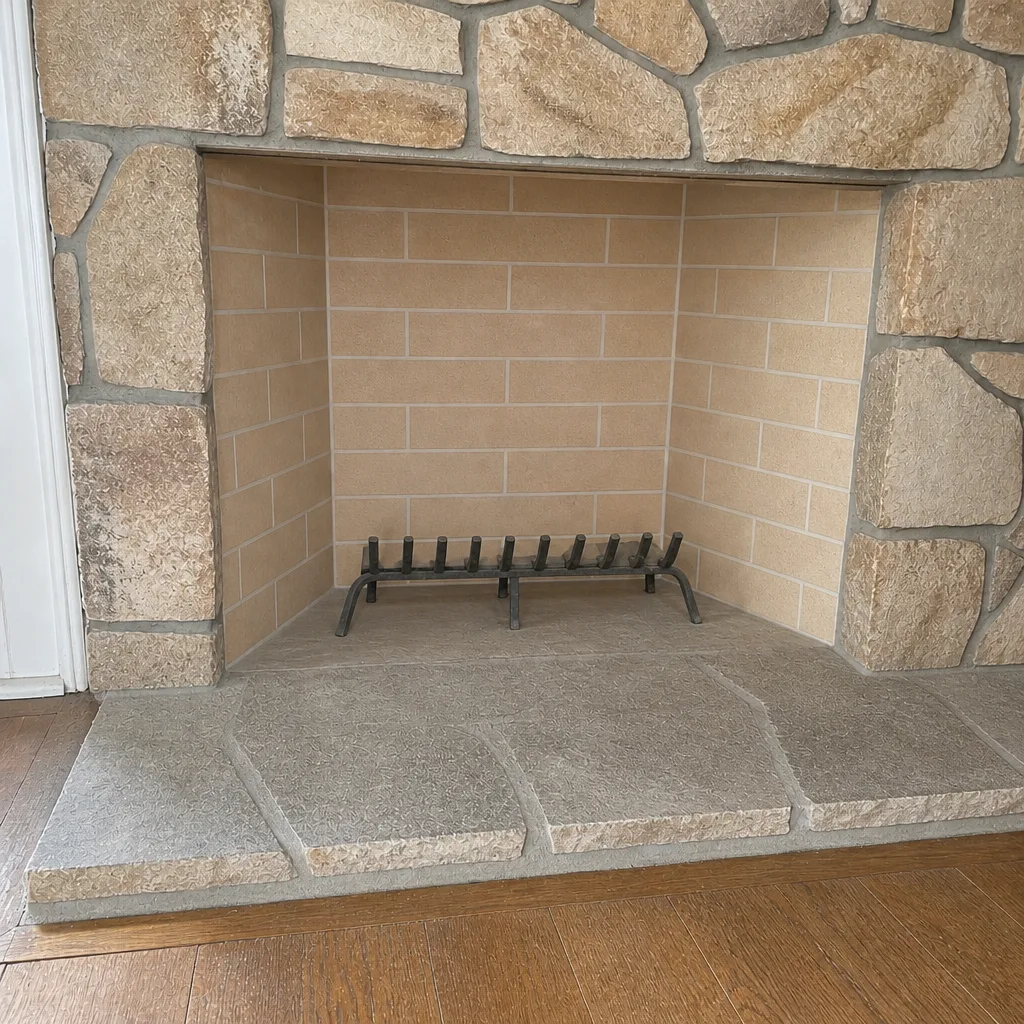 After
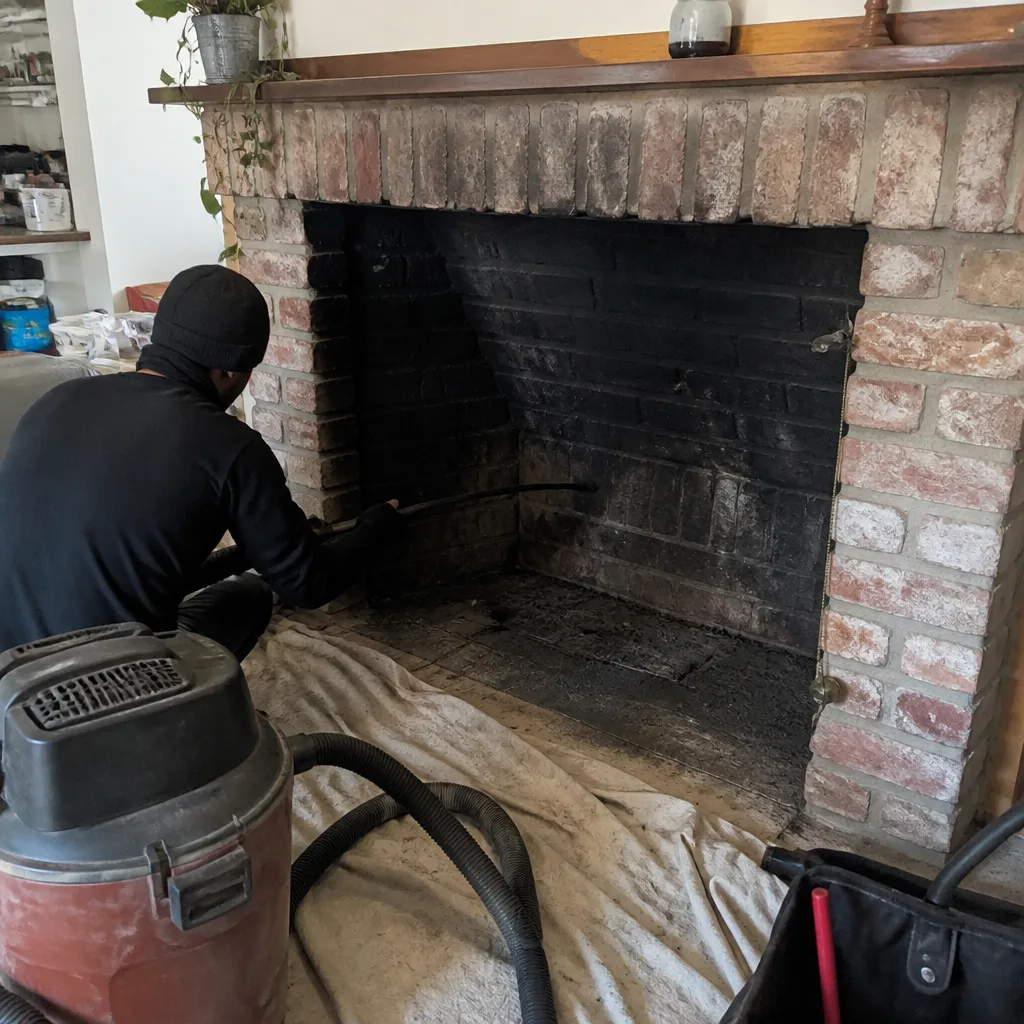 Before
 After
 Before
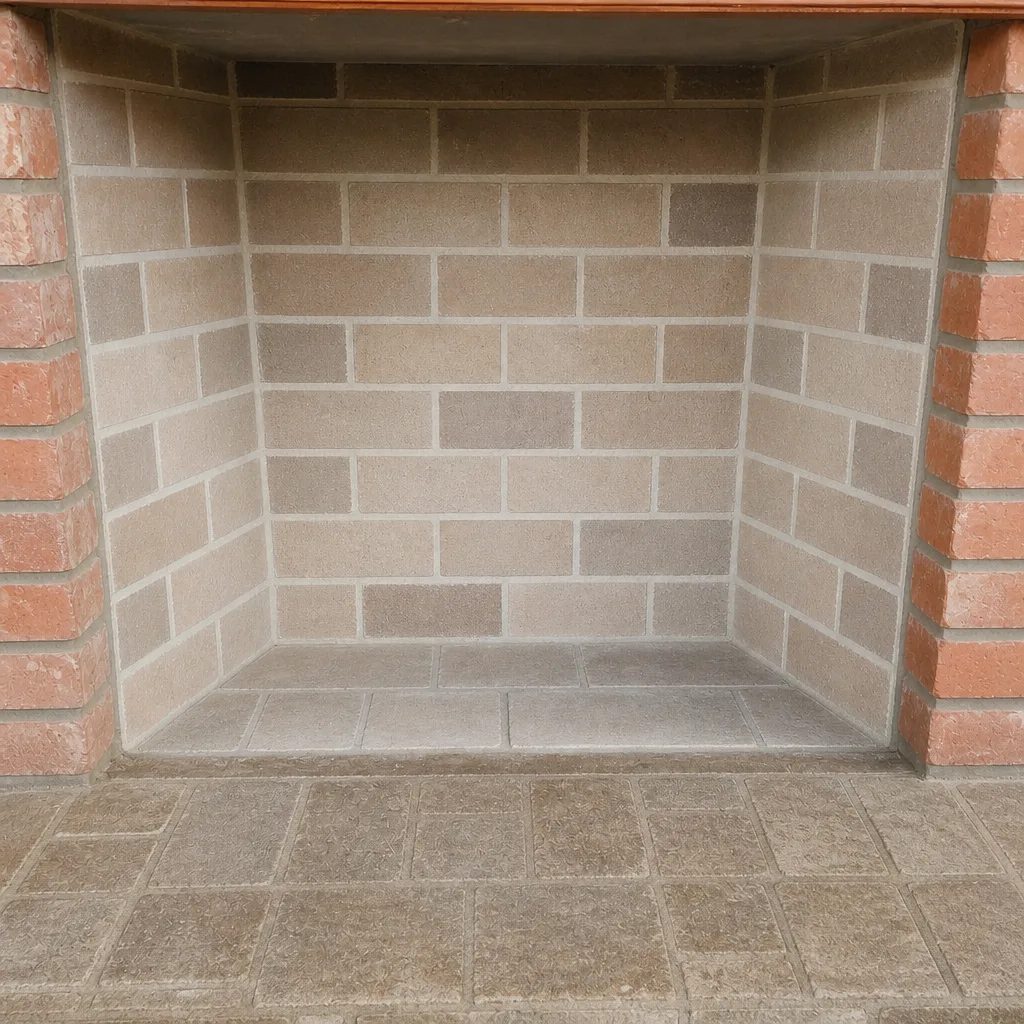 After
When to Call a Professional
Some situations call for a technician rather than a between-visit check. Book an inspection if you see glazed or flaky creosote in the mirror check, if there’s new water staining or a musty smell, if the damper won’t open or seal, or if the masonry is crumbling or flaking. Call promptly if you smell smoke when the fireplace isn’t lit, if the cap is missing or damaged, or if your last inspection was over a year ago and you’ve been burning heavily. These signs point to problems that a quick visual pass can’t resolve and that shouldn’t wait for the next season. Juniper Chimney Sweep offers free estimates in Richmond – call (866) 361-9755. We find it and fix it in the same visit when possible, so you’re not handed a diagnosis and left to find a second contractor. For the repair side specifically, our chimney repair work covers everything from a crown fix to a full reline.
Frequently Asked Questions
It depends on use. The standard is to sweep when creosote reaches about 1/8 inch, which for heavy wood burners can mean once a year or more, and for light users can stretch longer. Match the sweep to the buildup, and keep the annual inspection on a fixed schedule regardless. If you’re unsure where you stand, call (866) 361-9755 for an exact quote – estimates are free.
Not always, and we won’t tell you otherwise without evidence. A liner needs attention when the tile is spalled, cracked, or no longer separated from the surrounding structure by a safe barrier. Sometimes a HeatShield application can restore failing tile without a full reline, and sometimes a flexible DuraFlex reline is the right call for an aged or offset flue. The decision should rest on what an inspection actually shows, so look at the findings before you commit. Call (866) 361-9755 for an exact quote – estimates are free.
Skipping maintenance lets creosote accumulate and lets small component failures go unnoticed. Creosote is the fuel for chimney fires, and a cracked liner or damaged cap can let heat, water, or animals into places they shouldn’t be. The risk builds quietly, which is why an annual inspection is the point. Call (866) 361-9755 for an exact quote – estimates are free.
Yes. A gas insert or log set still vents combustion byproducts through a flue, so the venting and termination need a yearly inspection, and debris or animal intrusion still causes problems. Gas maintenance is different from wood, but it isn’t optional. Call (866) 361-9755 for an exact quote – estimates are free.
September is the ideal shoulder-season month. It catches a full season of off-season deterioration and still leaves time to complete any repair before the first fire. A mid-winter discovery tends to force a decision under pressure, while a September visit lets you plan. Call (866) 361-9755 for an exact quote – estimates are free.
Pricing is set per job by a written estimate, because a simple cleaning and a repair visit aren’t the same work. The estimate is free, so you know the cost before anyone starts. Call (866) 361-9755 for an exact quote – estimates are free.
The Bottom Line
A single annual sweep is the floor, not the whole plan. Build your calendar around what your flue is actually doing: a fixed yearly inspection, cleaning driven by the 1/8 inch creosote threshold, and component checks on their own timelines. Add a post-storm look after Bay Area rain, don’t skip your gas insert, and time the main inspection for September’s shoulder season when there’s still room to repair before winter. That’s the schedule a healthy flue deserves, and it’s the one that gives you clear answers instead of vague warnings. Call (866) 361-9755 to book a free estimate. We answer 24/7. Fast dispatch from 7am to 7pm, Sunday through Friday. Closed Saturday.
Written by the team at Juniper Chimney Sweep.