
Last updated November 15, 2026
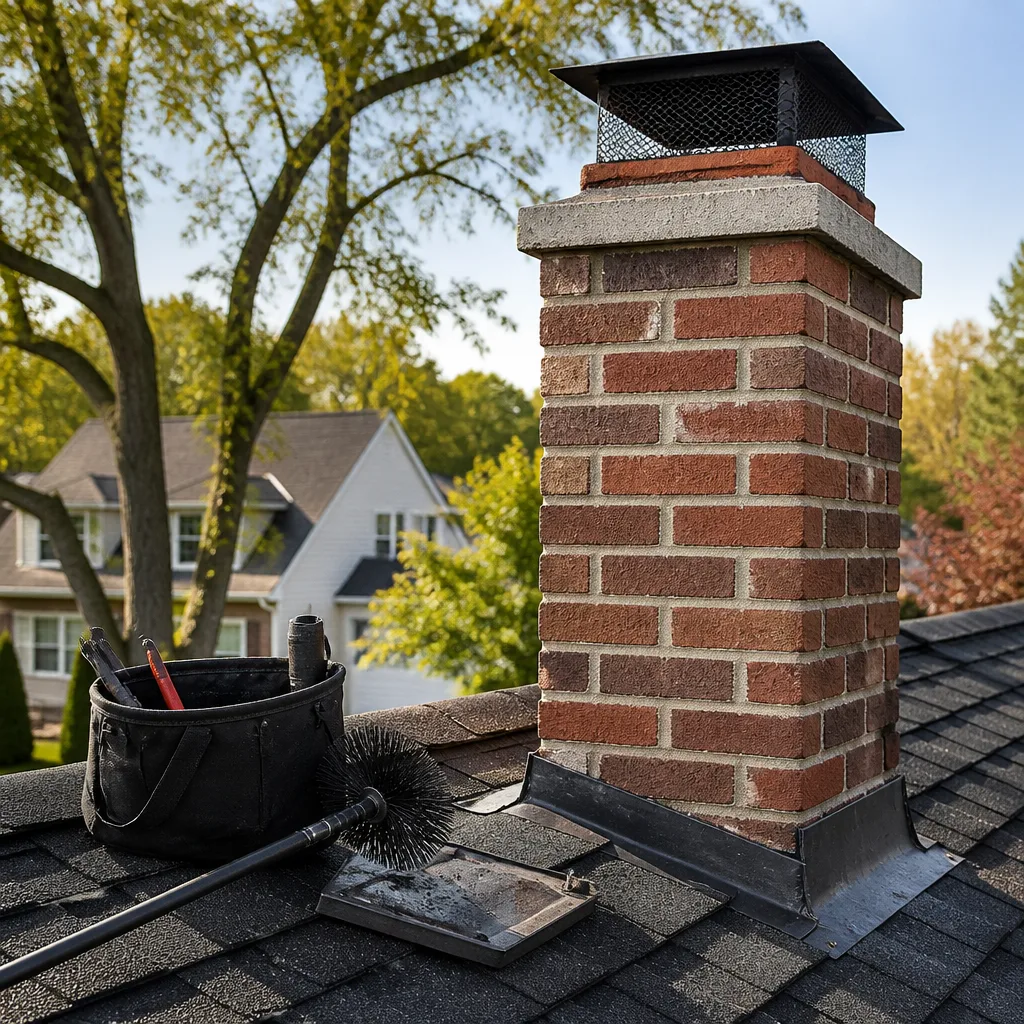 Sweep & inspection
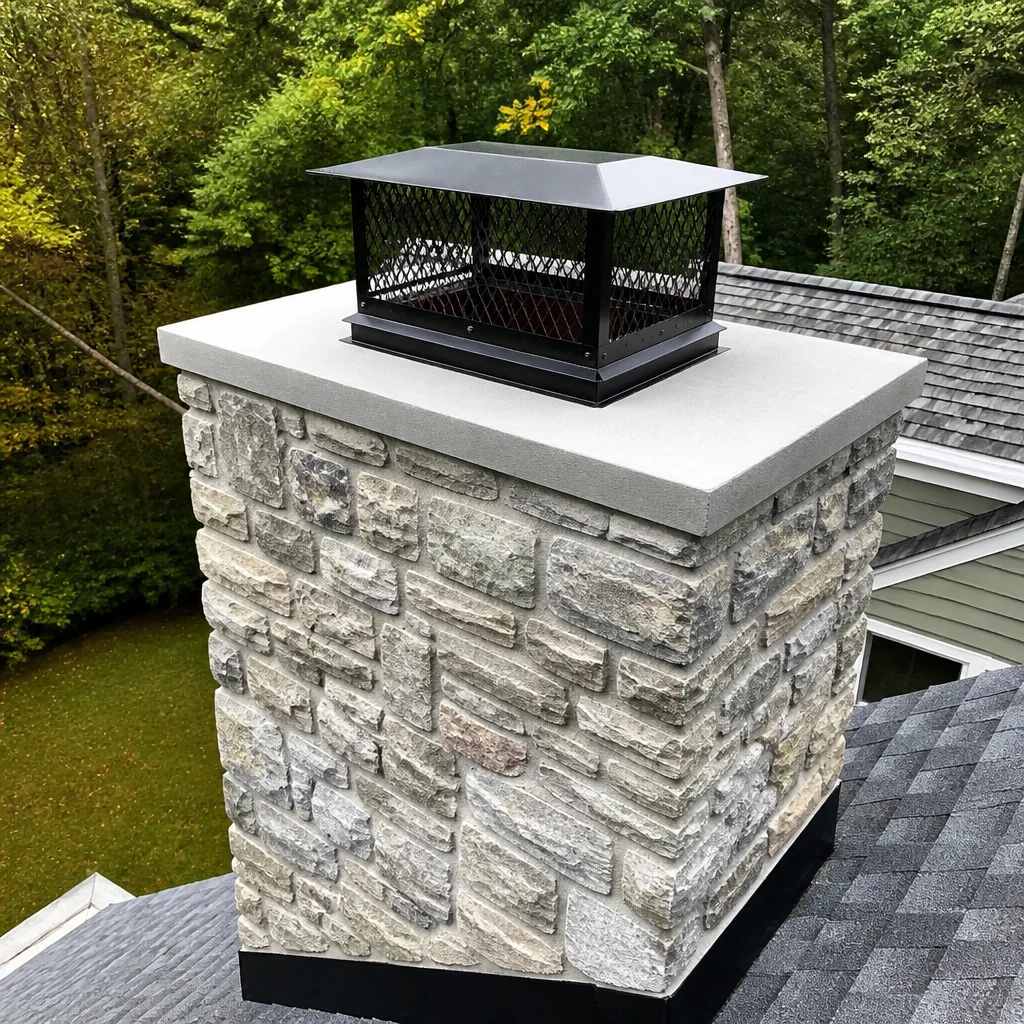 Caps & crowns
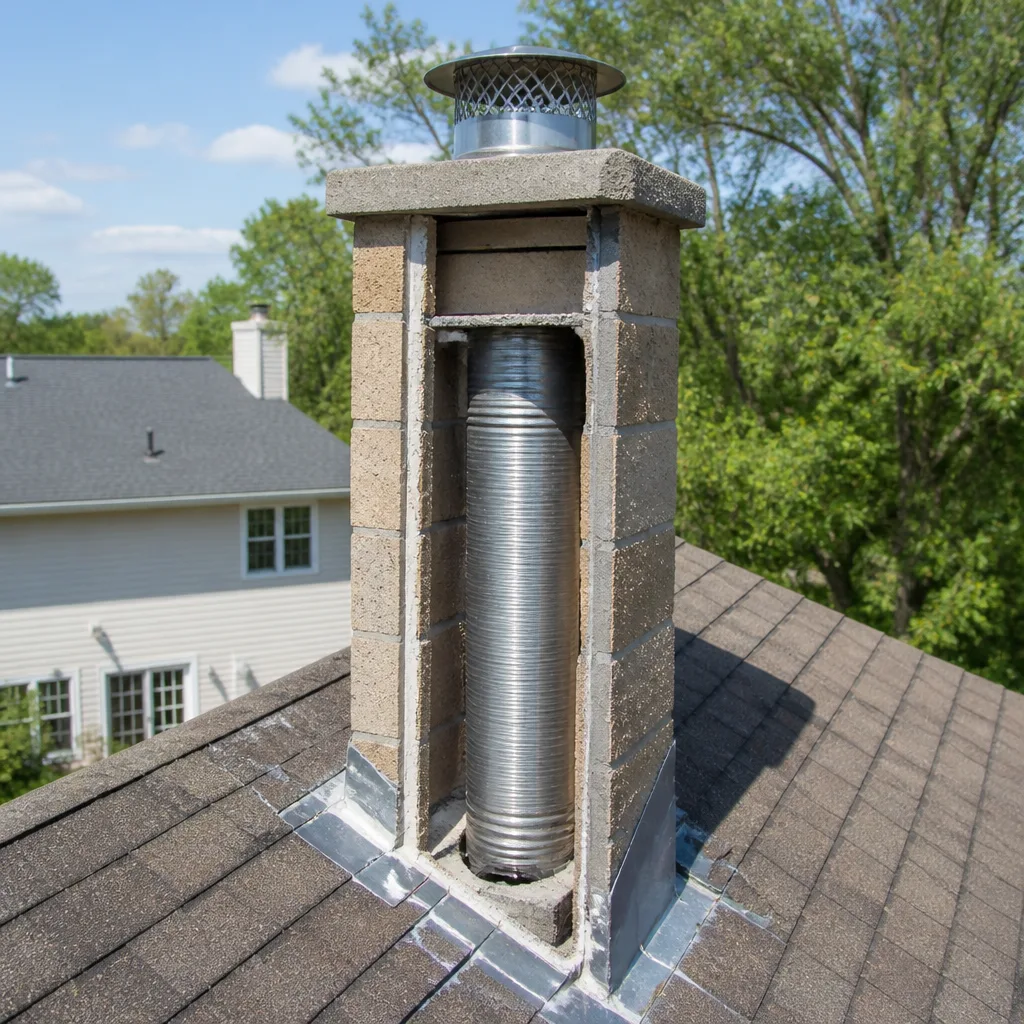 Flue relining
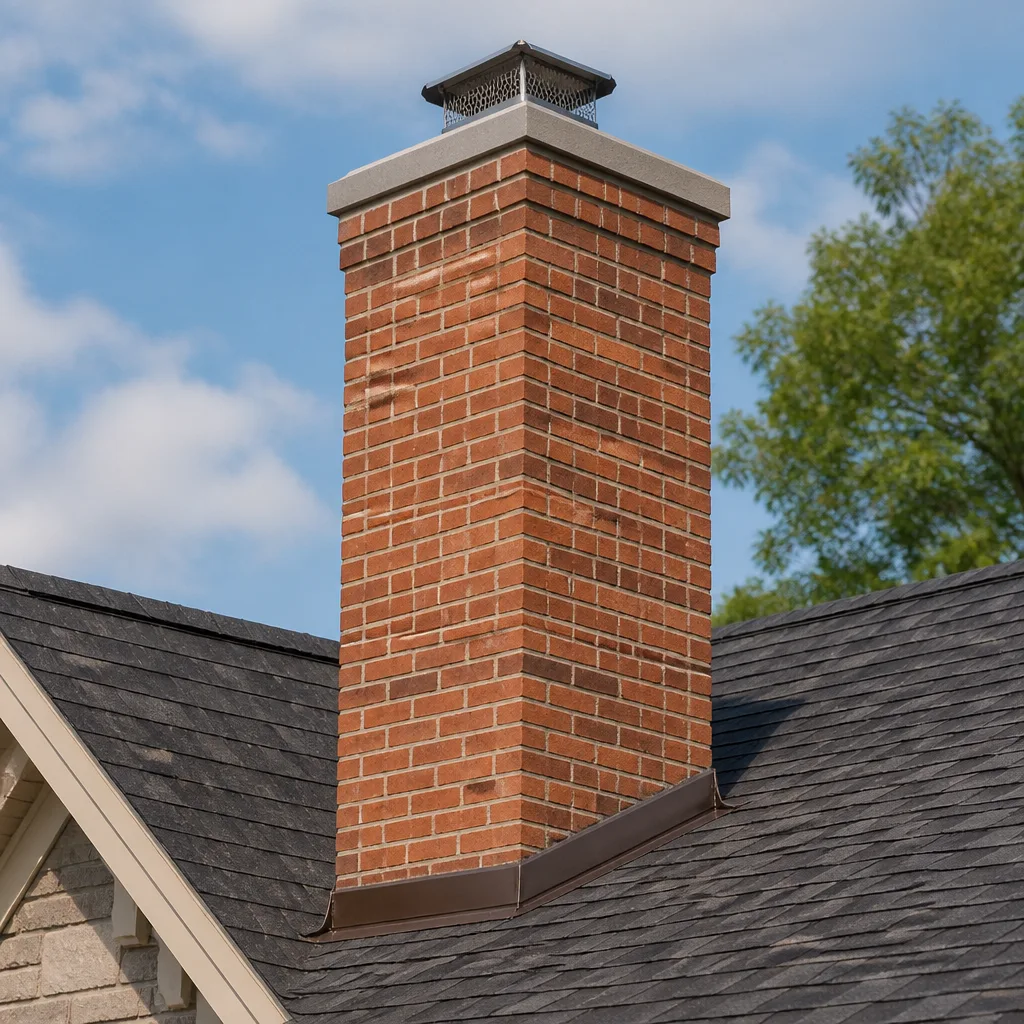 Masonry repair
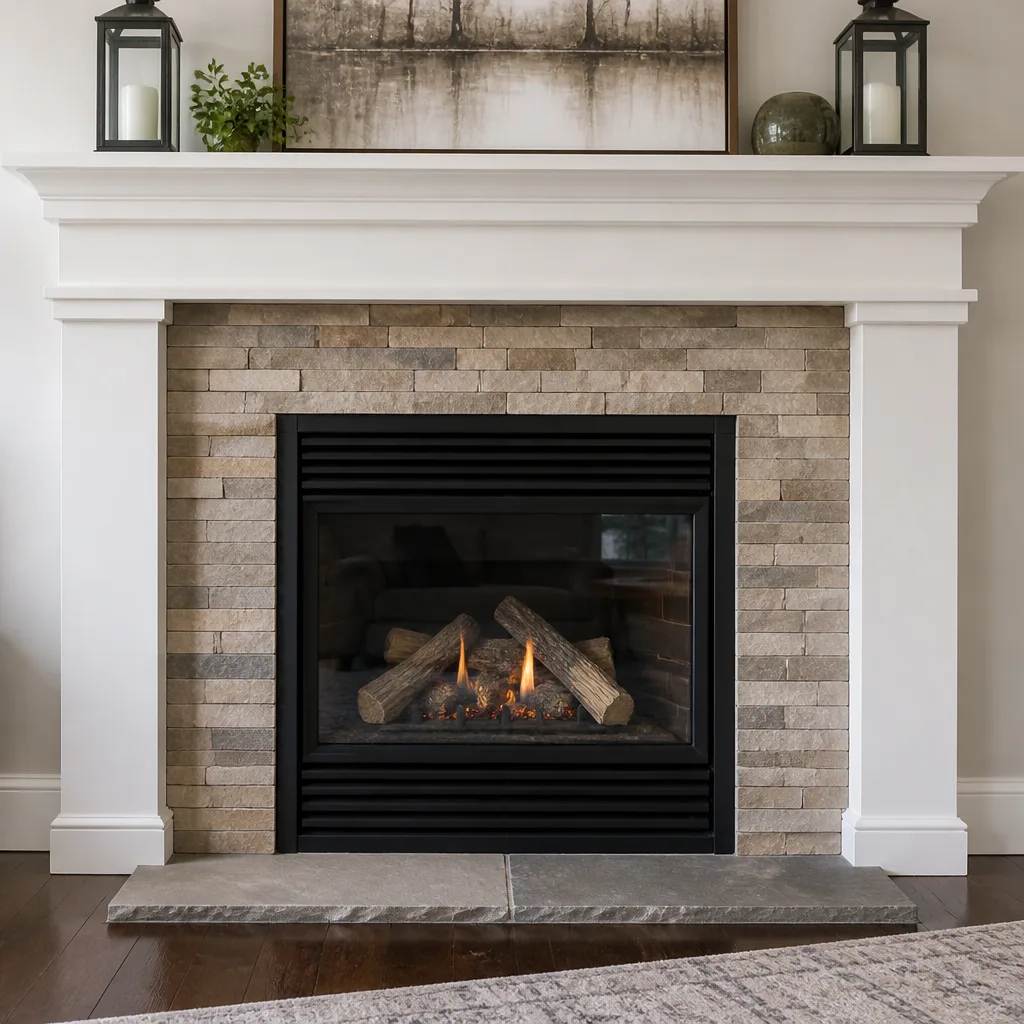 Gas fireplace service
Level 1 sweep and inspection to the NFPA 211 annual standard - flue, crown, cap, and flashing checked and photographed
Chimney sweep logs do not sweep chimneys. They loosen some creosote - which then falls where a brush and vacuum still have to collect it.
Choosing the Right Chimney Cleaning Brand: A Buyer’s Guide for Richmond
The brands behind a chimney job are almost invisible once the work is done. No one sees the liner’s alloy stamp or the cap’s rating plate, so most homeowners judge the job by how tidy the living room looks afterward. The trouble is that a chimney is a system, and the parts determine whether a repair holds for a season or a decade. In our experience around Richmond, the difference between a professional-grade component and a hardware-store substitute tends to show up quietly, around the third year, when a cheap cap rusts through or a thin liner starts to fail. This guide names the brands certified chimney engineers actually specify, explains what sets their engineering apart, and shows you the questions to ask any contractor before they touch your flue. You’ll also learn how to spot evasive answers about sourcing, and why a warranty is only as good as who installs the part.
Quick Answer
The right chimney brands for a Richmond home are the professional-tier names certified chimney engineers specify: DuraFlex for flexible stainless liners, HeatShield for liner restoration, Gelco for caps and dampers, and ChimneySaver for penetrating waterproofing. What separates them from hardware-store parts isn’t the label, it’s the engineering, the warranty, and the fact that they’re installed by contractors trained on that system. Ask any chimney company which brand they install and why. A specific answer backed by installation ability is a good sign. A vague one, or “whatever’s cheapest,” tells you the sourcing is generic.
Styles & brands we work with
- Sweep & inspection
- Caps & crowns
- Flue relining
- Masonry repair
- Gas fireplace service
Table of Contents
- Why Chimney Brands Matter More Than You Think
- Liner Systems: DuraFlex and HeatShield
- Caps and Dampers: Gelco and Copperfield
- Professional-Grade Brushes vs. Consumer Grade
- Waterproofing: Penetrating Sealants That Last
- How Product Warranties Actually Work
- What to Ask a Contractor About Brands
- Brand Choices in the Richmond Climate
Why Chimney Brands Matter More Than You Think
You’ll probably never see the brand stamped on the cap a contractor installs. But that stamp determines whether the part is rated for your flue size, built for the local moisture and mild winters, and backed by a warranty worth keeping. That’s the counterintuitive part of buying chimney work. The visible labor gets all the attention; the invisible materials decide how long the repair lasts.
Think about what a chimney actually does during one Richmond rainy season. Warm flue gases rise, then cool and condense on the liner walls. Moisture works into any crack in the crown. That’s a slow, constant test of every component. A cheap cap with spot-welded seams can rust at the joints within a couple of seasons. A thin liner can fail at the flue collar. None of that shows up right away, which is exactly why the brand choice is worth understanding up front.
There’s a practical reason too. A chimney sweep, an inspector, and a repair crew run by one company can find a worn damper or a failing crown and fix it with the right part on the same visit. When those jobs are split between a sweep-only operator and a separate contractor, the brand choice gets handed off, and no one owns the outcome. The full-service approach, where we supply and install professional-grade components and diagnose the job in the same visit, solves that hand-off problem.
We work with a focused set of brands because each one covers a specific tier of a flue system: a flexible liner, a restoration coating, a cap, a damper, a waterproofing sealant. Together they form a complete system. Buying chimney health piecemeal from unknown sources is how small problems become repeat visits.
Liner Systems: DuraFlex and HeatShield
A chimney liner is the pipe inside the pipe. It carries flue gases safely through the masonry and protects the structure from heat and corrosion. When a liner is deteriorated, aged, or non-standard, you have two main paths: reline it, or restore it. Two brands cover those paths, and knowing which applies to your flue is where professional judgment comes in.
DuraFlex flexible stainless liners
DuraFlex flexible stainless liner systems are the tool for complex, offset, or aged flues. A flexible liner can navigate a flue that bends or shifts, which a rigid pipe cannot. That’s a higher-skill installation, and it’s the kind of work that separates a full-service chimney company from a cleaning-only operator. If a contractor tells you your flue “can’t be relined without a teardown,” ask whether they install a flexible system. The answer tells you a lot.
HeatShield liner restoration
HeatShield is a liner restoration system, recognized in the professional chimney industry, that rehabilitates deteriorating flue tile. Rather than tearing out and rebuilding, HeatShield applies a resurfacing material that restores the integrity of the existing clay flue. That means many Richmond homes with cracked or spalling flue tiles have a repair option short of a full teardown, which most sweep-only companies simply aren’t equipped to offer. In our experience, this is one of the most commonly overlooked options for older masonry chimneys.
Which route fits your chimney isn’t a guess. It comes from a camera inspection that shows the actual condition of the flue. Here’s what decides it:
- Flue size and shape: a flexible liner handles offsets and odd dimensions a rigid pipe won’t.
- Condition of the clay tile: sound tile may only need restoration, not replacement.
- Appliance type: a wood stove, a fireplace, and a gas insert each call for different liner specs.
- Budget and longevity: restoration is often the less invasive path when the tile is salvageable.
Caps and Dampers: Gelco and Copperfield
A chimney cap does two jobs. It keeps rain, birds, and debris out of the flue, and it lets gases escape. A cheap cap can do neither well. The cap is also one of the first parts to fail in a wet climate, because it sits fully exposed to the weather.
Gelco and Copperfield make the caps and dampers you’ll find on professionally installed systems. The engineering differences that matter are the ones you can’t see once it’s up there:
- The alloy and gauge of the steel or copper: heavier gauge resists rust longer than the thin metal on hardware-store caps.
- How the seams are joined: quality caps are fabricated, not spot-welded at the joints where moisture collects.
- Correct sizing for the flue: an oversized or undersized cap leaves gaps that defeat the purpose.
- Top-sealing damper design: a properly built top-sealing damper closes tight against moisture and drafts, unlike a simple flue cover.
Gelco and Copperfield product familiarity lets a full-service company address the whole flue system, not just the firebox. That matters because a cap that’s correctly matched to your flue, your appliance, and the local weather keeps the rest of the system dry. When the cap is wrong, moisture gets in, and the crown and liner pay for it. That’s a repair you’d rather avoid, and it’s one a good cap prevents.
Ask any contractor what brand cap they’d install and why. A company that names Gelco, Copperfield, or a comparable professional line, and can explain the sizing, is a company that understands the part. A blank stare is a red flag.
Professional-Grade Brushes vs. Consumer Grade
Brushes look simple: a metal or poly bristle head on a rod. But the bristle type, density, and rod quality decide how thoroughly creosote comes off the flue walls, and that’s a safety question, not just a durability one. Creosote is the residue that builds up as smoke cools, and thick or glazed creosote is what makes a chimney fire possible. How a sweep clears it is the difference between a clean flue and one that still carries risk.
A professional brush set is matched to the flue. The right brush fits the flue size within a tight tolerance so the bristles actually contact the walls all the way around. A consumer-grade brush, or the wrong size, skips sections and leaves a glaze the sweep can’t feel. The rod quality matters too; a whip-like flimsy rod won’t hold the stiffness needed to scrape hard creosote.
Here’s how creosote removal actually progresses:
- Stage 1 creosote is flaky and light, and a standard brush clears it readily.
- Stage 2 creosote is denser and can be tar-like. It takes more passes and sometimes a chemical agent applied first.
- Stage 3 creosote is glazed and hard, and it’s the most fire-prone. Clearing it takes professional methods, and sometimes a judgment call about whether the liner itself is sound.
A good sweep in Richmond will show you, with a camera, what came off and what’s still on the walls. That’s the “here’s what we found and here’s what it means” conversation worth having. Brush brand isn’t the only factor, but the quality of the tool and the sweep’s skill are linked. Ask what method they use for hard creosote.
Waterproofing: Penetrating Sealants That Last
Water is the most common enemy of chimney masonry, and a hardware-store masonry sealer often makes the problem worse. That’s because many consumer sealers are film-forming. They lay a coating over the brick. The coating traps moisture inside, and when it eventually flakes off, the brick it was supposed to protect has been spalling underneath the whole time.
Penetrating sealants like ChimneySaver work differently. They soak into the masonry and allow vapor to escape while blocking liquid water from getting in. For a chimney crown and brick in a wet climate, that’s the right approach. The difference between a film and a penetrating sealant isn’t visible on the day it’s applied; it’s visible a few winters later.
Where waterproofing goes wrong most often:
- The crown. A cracked or porous crown lets water into the chimney’s core. A proper crown coat redirects water away from the flue.
- The brick face. Penetrating sealant on sound brick protects without trapping moisture.
- The wrong product. Film-formers over damp masonry seal in the moisture and cause spalling.
We’re careful to apply waterproofing only after the chimney is clean and the masonry has had a chance to dry. Sealing a wet, dirty chimney is a shortcut that fails. Ask any contractor what kind of sealant they’ll use and why. If the answer is “a masonry sealer from the local store,” they’re not thinking about how the wall breathes.
How Product Warranties Actually Work
A warranty is only as good as its installation requirements. Most professional chimney components come with a manufacturer warranty that assumes the product was installed correctly, by someone qualified to install it, and maintained as specified. Miss any of those and the manufacturer can decline a claim. That’s a fact homeowners rarely hear until something fails.
What voids a warranty in practice varies by product, but a few patterns hold:
- Installation by an uncertified contractor. Many manufacturers require installation by a trained or certified installer, and some require the installer to be a qualified professional. A generic handyman installation can void the guarantee.
- Wrong sizing or fit. A liner or cap installed outside its rated specification can void coverage because the product is being used outside its design.
- No documentation. A warranty claim usually needs proof of product and proof of installation. If a contractor can’t tell you the brand, you can’t make a claim.
- Contact with the wrong materials or a dirty flue. Some coatings and sealants require a clean surface or they won’t perform, and that can nullify coverage.
That last point matters in Richmond, where a wet season means masonry can be damp for weeks. A waterproofing warranty often depends on the chimney being clean and dry at application. A careful contractor builds that step into the job. One working against the clock does not.
The takeaway is simple. Ask to see the brand on the product, and ask who’s installing it. If both answers are specific, the warranty is worth something. If the brand is a mystery, the warranty on paper isn’t worth much.
What to Ask a Contractor About Brands
The single most useful habit when hiring chimney work is to ask what brand they’re installing, and watch how they answer. An evasive answer is information. If a contractor waves off the question, says “whatever’s standard,” or can’t tell you the manufacturer, the sourcing is generic. That’s not a judgment about their character; it’s a signal they buy on price, not on engineering.
Here’s a short script to run through before you book:
- “What brand of liner or cap are you installing on my system?” A professional names it and explains why it fits your flue.
- “Are you certified or trained to install that brand?” This tells you whether the manufacturer warranty is likely to hold.
- “Can you show me the condition on camera?” Nothing should be recommended without evidence you can see.
- “Can you fix what you find, or do I need a second contractor?” A full-service company can find it and fix it in the same visit.
- “What are you not recommending, and why?” A good contractor tells you what can safely wait.
That last question is the honesty test. A contractor who can’t name a single thing that can wait is selling, not diagnosing. At Juniper Chimney Sweep we supply and install professional-grade components from DuraFlex, HeatShield, Gelco, Copperfield, Olympia Chimney, and Famco, and we’re happy to name the brand and the reason for every part we install. Our technicians have up to 13 years of experience, and our visits are built around a camera inspection and a clear report.
Whether it’s a chimney repair or a routine inspection, the questions stay the same. Brand awareness is a shortcut to knowing whether you’re dealing with a professional.
Brand Choices in the Richmond Climate
Richmond’s mild winters don’t mean chimneys here get a pass. Our wet seasons are long, and moisture is a bigger adversary to masonry than cold is. The area’s older housing stock means many flues are clay-tile lined and showing their age: cracked tiles, spalling brick, and caps that have quietly rusted through. That’s exactly the environment where brand choice matters.
In a climate with steady moisture, a penetrating waterproofing sealant beats a film coating, a well-built cap beats a cheap one, and a flexible stainless liner handles the offsets and irregular dimensions common in older Richmond homes. A chimney fire or a carbon monoxide problem is what happens when a compromised liner or a plugged flue goes unaddressed, so the material matters, not just the cleaning. A camera inspection and a photo report are the way to know what condition your flue is really in.
Because the region’s flues vary so widely, there’s no single “best” product for every home. The right part is the one matched to your flue, your appliance, and your climate. A full-service company that sells and installs professional-tier components, and can choose between restoration and relining, can match the part to the job. That’s why the brands matter, and why they should be named, not hidden. See how we approach chimney sweep work, or explore more of our Richmond coverage.
If your home has a wood-burning fireplace, a wood stove, or a gas insert, the brand choice becomes even more specific. Each appliance has different venting needs, and installing the wrong liner for your appliance can void a warranty and fail the venting requirements. Ask what the appliance needs, and let that drive the brand selection.
Common Mistakes to Avoid
- Hiring a sweep who can’t tell you the brand they install. A vague answer about sourcing usually means generic parts. Ask directly and listen for the name.
- Buying a cap off a hardware-store shelf. Off-the-shelf caps are commonly under-sized or built from light gauge metal that doesn’t hold up to Richmond’s wet seasons. A matched, professional-grade cap protects the whole flue.
- Choosing a film-forming masonry sealer. Consumer sealers can trap moisture inside the brick and cause spalling. Penetrating sealants like ChimneySaver protect the masonry while letting vapor escape.
- Letting a cleaning-only company diagnose the job. A sweep who finds damage but can’t fix it leaves you hiring a second contractor, and the brand and warranty get lost in the hand-off.
- Skipping the camera inspection. A recommendation without camera evidence is a guess. Insist on seeing your flue’s condition for yourself.
- Letting a contractor install a part outside its rated size. A liner or cap used outside its specification can fail and void its warranty. Fit to the flue matters more than the label.
- Assuming “clean” means safe. A flue can be swept and still have a cracked liner or a failing crown. Cleaning and inspection are different steps.
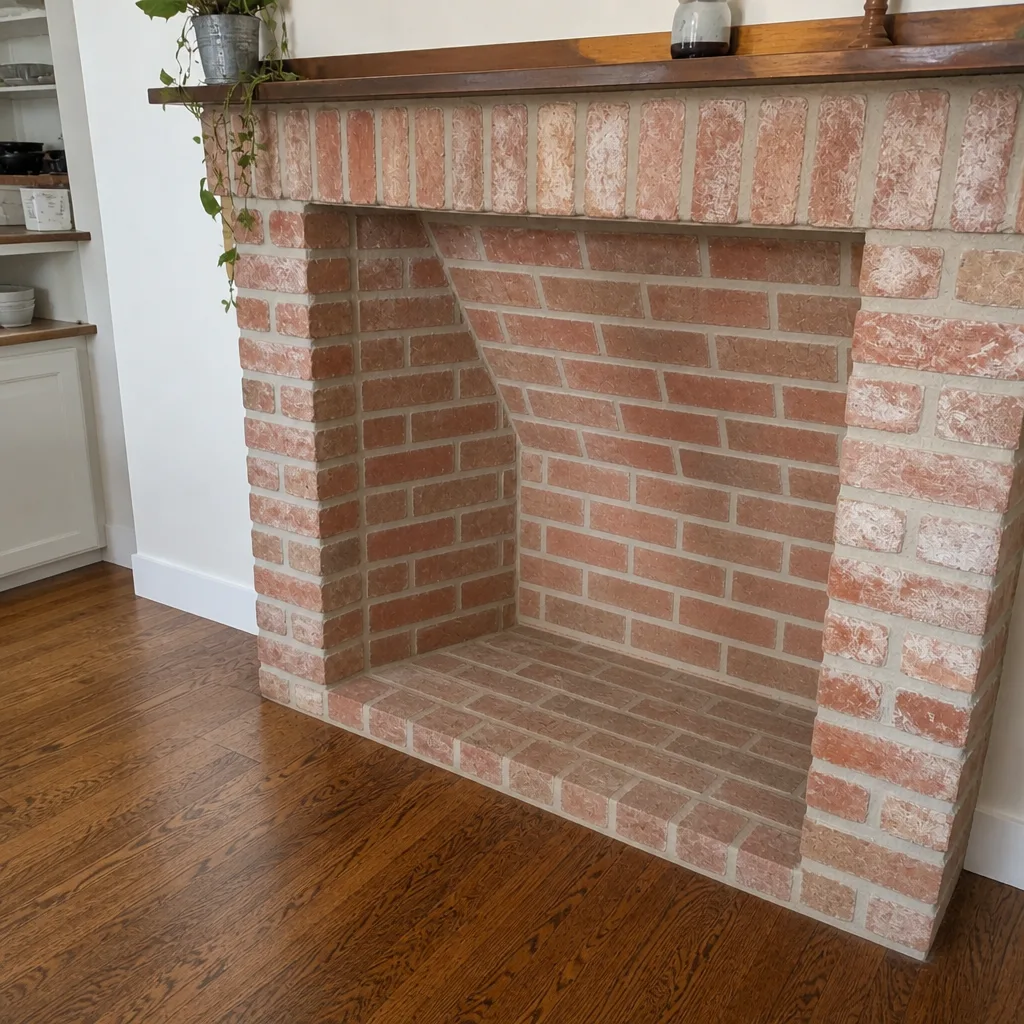
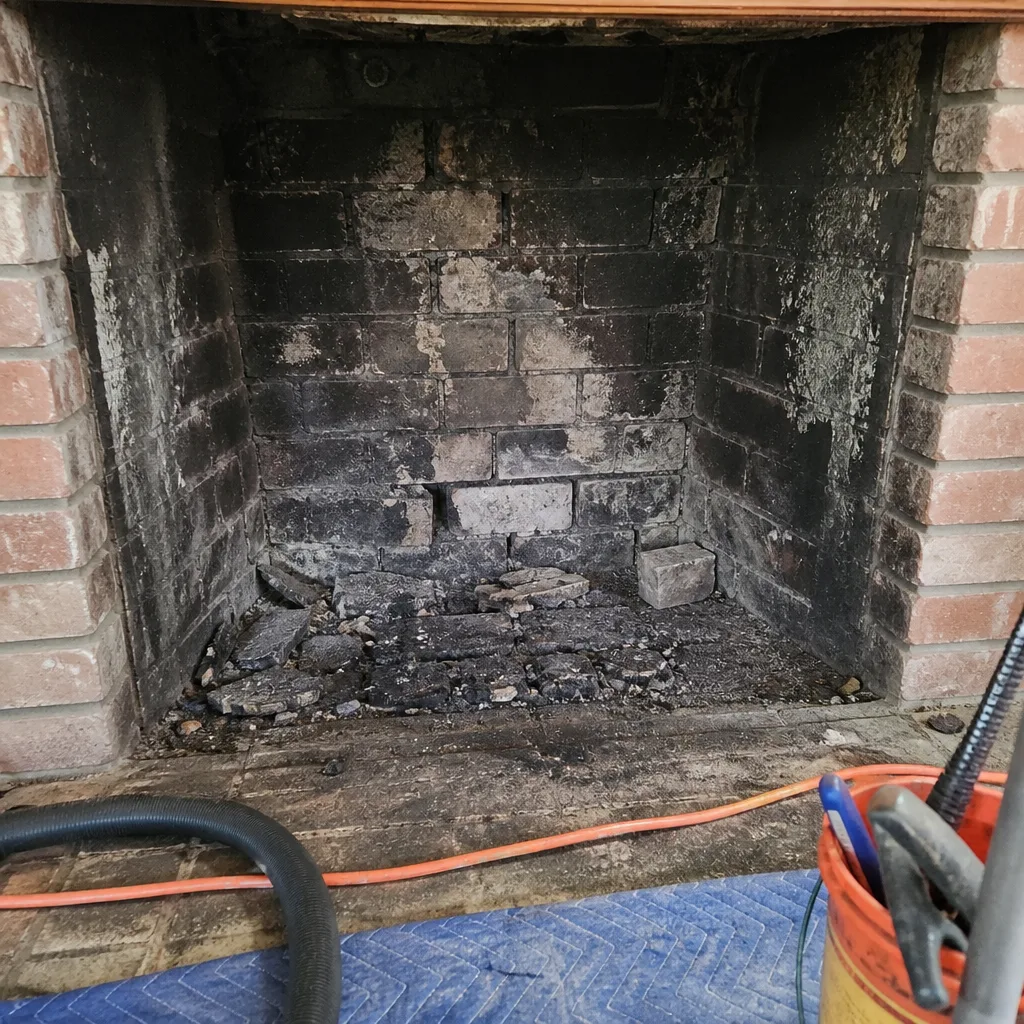
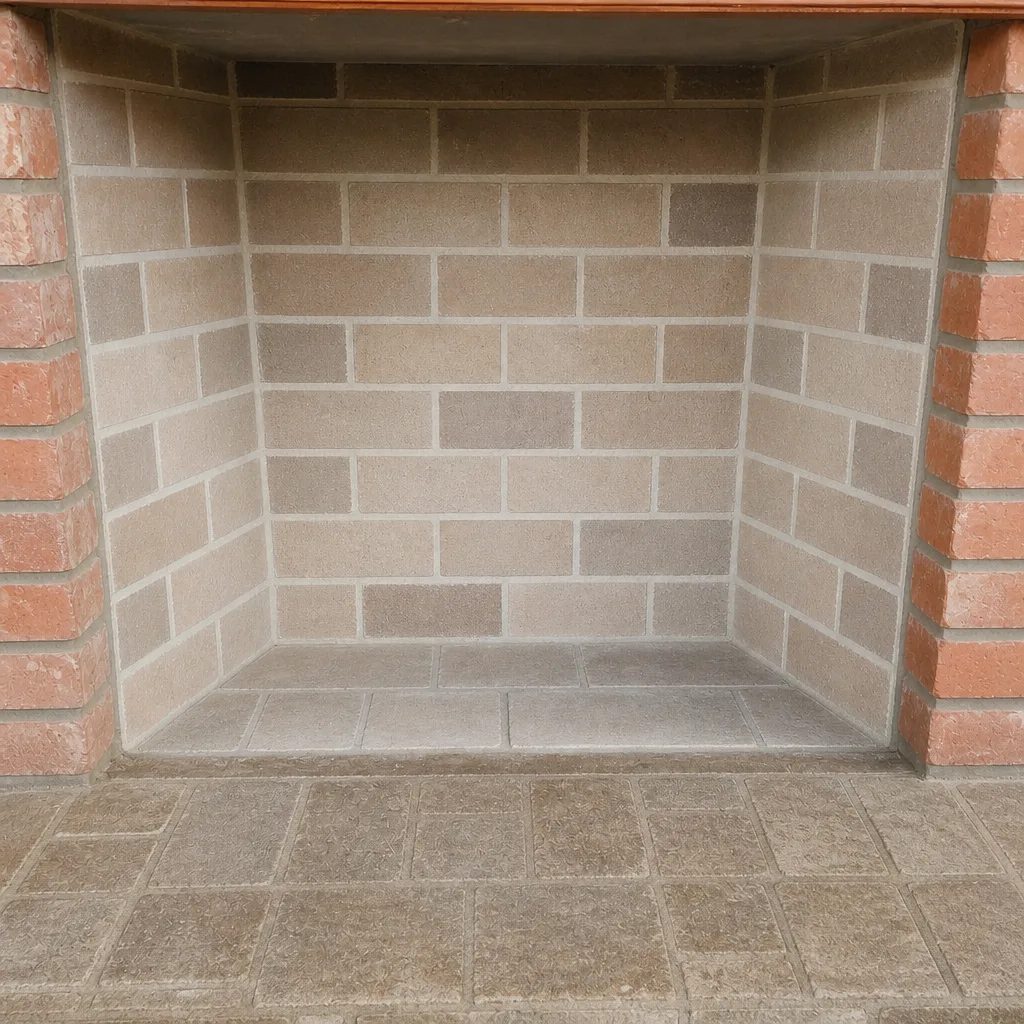
See the difference
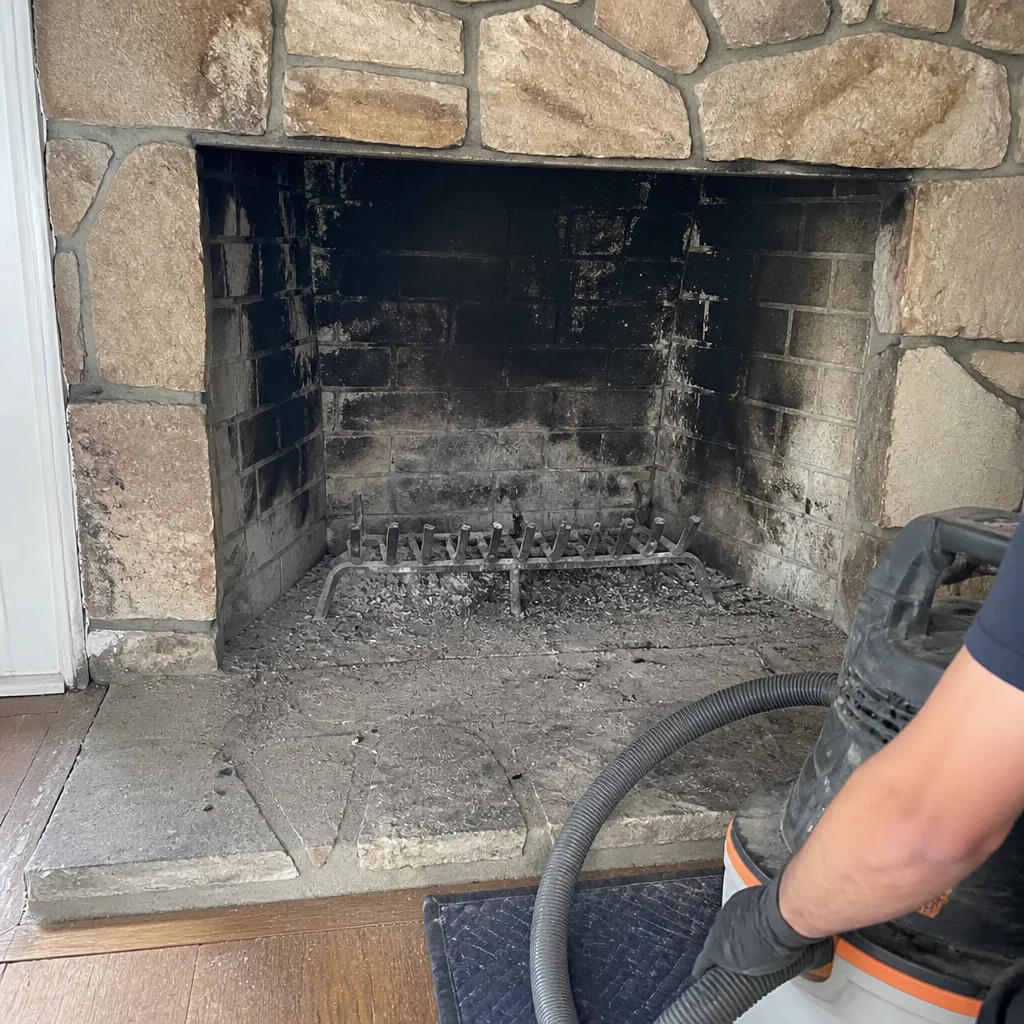 Before
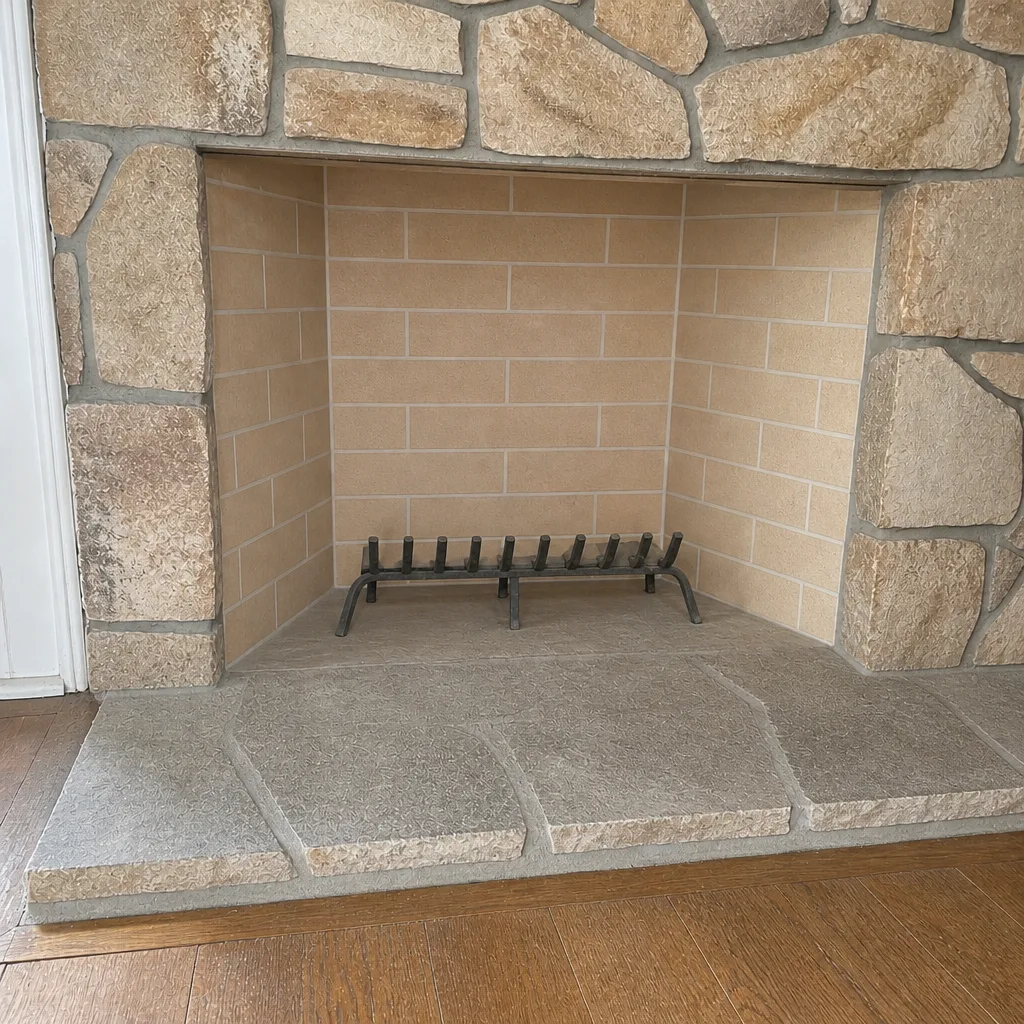 After
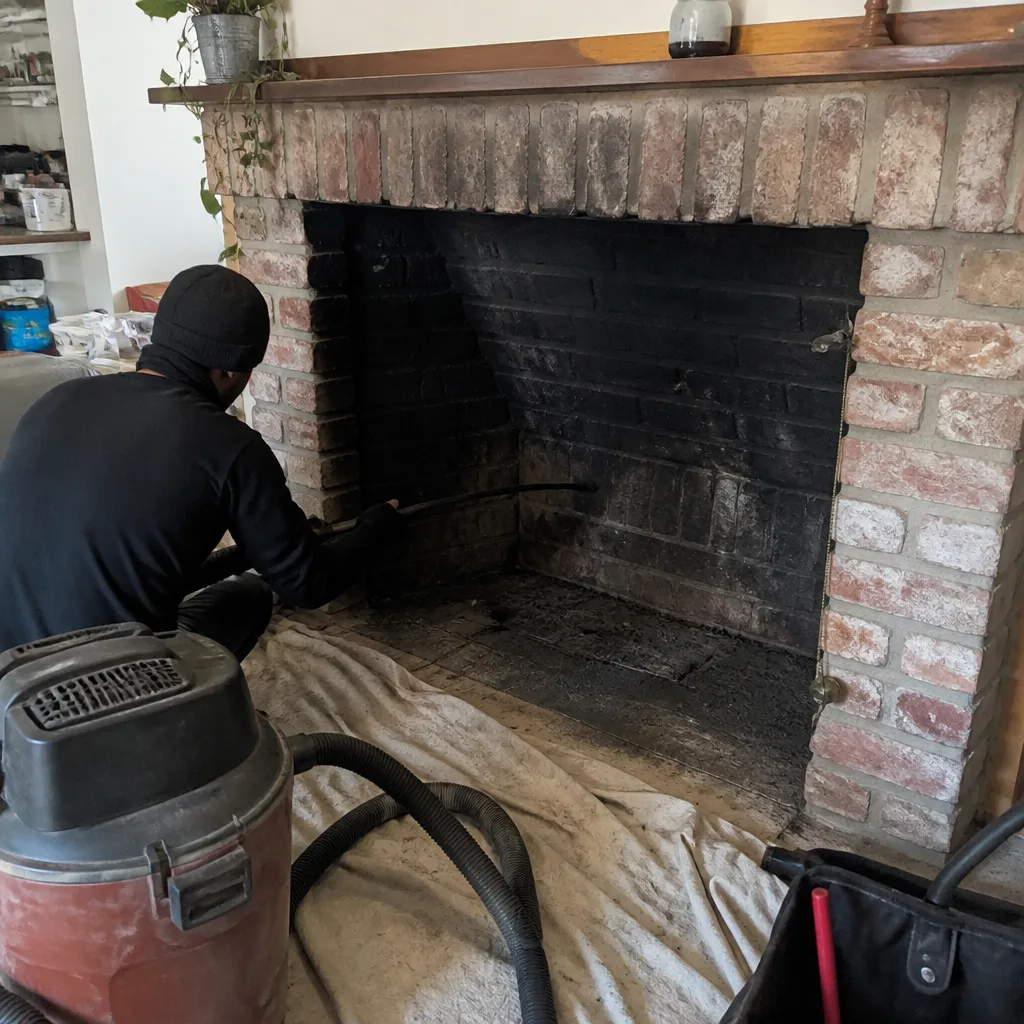 Before
 After
 Before
 After
When to Call a Professional
Some of this guide is about planning ahead, and some of it is about knowing when a question needs a trained set of eyes. Call a professional if a sweep or a prior contractor told you to “get that checked” and never explained why. Call if your liner is aged, your flue is offset or irregular, or your appliance has been vented into a flue that was never really sized for it. Call if you smell moisture or see spalling on the brick, or if a cap has visibly rusted. And call if the chimney hasn’t been inspected in a while and you want to know its actual condition rather than guess. Juniper Chimney Sweep offers free estimates in Richmond, and we’ll tell you honestly what can wait and what can’t. Call (866) 361-9755. We answer 24/7. Fast dispatch from 7am to 7pm, Sunday through Friday.
Frequently Asked Questions
Professionals install brands like DuraFlex for flexible stainless liners, HeatShield for liner restoration, Gelco for caps and dampers, and ChimneySaver for penetrating waterproofing. These are the materials specified by certified chimney engineers because of their engineering and installation requirements. Not every contractor installs them, which is why asking the brand is a useful test.
The brand determines whether the part is built for your flue size, your climate, and your appliance, and whether a real warranty backs it. A cheap substitute often looks fine on install day and shows its weaknesses a few seasons later. The part you can’t see is the one that holds the repair together.
Yes. Many manufacturer warranties require installation by a trained or certified installer and correct use within the product’s specification. A part installed by someone outside those requirements, or mismatched to the flue, can have its coverage declined. Always ask who installs the product and whether they’re qualified for that brand.
Not always, but it’s often the right fit for older Richmond homes with offset or irregular flues, where a rigid pipe won’t work. A flexible DuraFlex system can navigate the bends. A camera inspection tells you which type your flue actually needs. The right choice is the one matched to your chimney.
A penetrating sealant like ChimneySaver soaks into the masonry and still allows vapor to escape, while many consumer sealers form a film that traps moisture inside. In a wet climate, film formers can cause spalling. Penetrating sealants are the safer choice for chimney brick and crowns.
The camera decides. A deteriorated, offset, or non-standard flue is a real candidate for relining or restoration, but a sound clay tile may only need a clean and a check. No reputable contractor should tell you the answer without showing you the evidence. Ask to see the inspection footage.
The Bottom Line
Chimney brands are invisible in daily life and decisive over the years. The brand of the liner, cap, damper, or sealant determines whether a repair holds through Richmond’s wet seasons or fails quietly in the third year. DuraFlex handles relining, HeatShield restores deteriorating tile, Gelco and Copperfield cover the caps and dampers, and penetrating sealants protect the masonry. You don’t need to memorize the catalog; you need to ask what brand is going in and why. A specific answer, backed by the ability to install it, is the sign of a company worth hiring.
Contact Us
If you’ve got a flue question or a vague warning you want a real answer to, we can help. Our Juniper Chimney Sweep team names the brand, shows you the camera evidence, and tells you plainly when work can wait. Call (866) 361-9755 for a free estimate. We answer 24/7. Fast dispatch from 7am to 7pm, Sunday through Friday.
Written by the team at Juniper Chimney Sweep.