
Last updated November 15, 2026
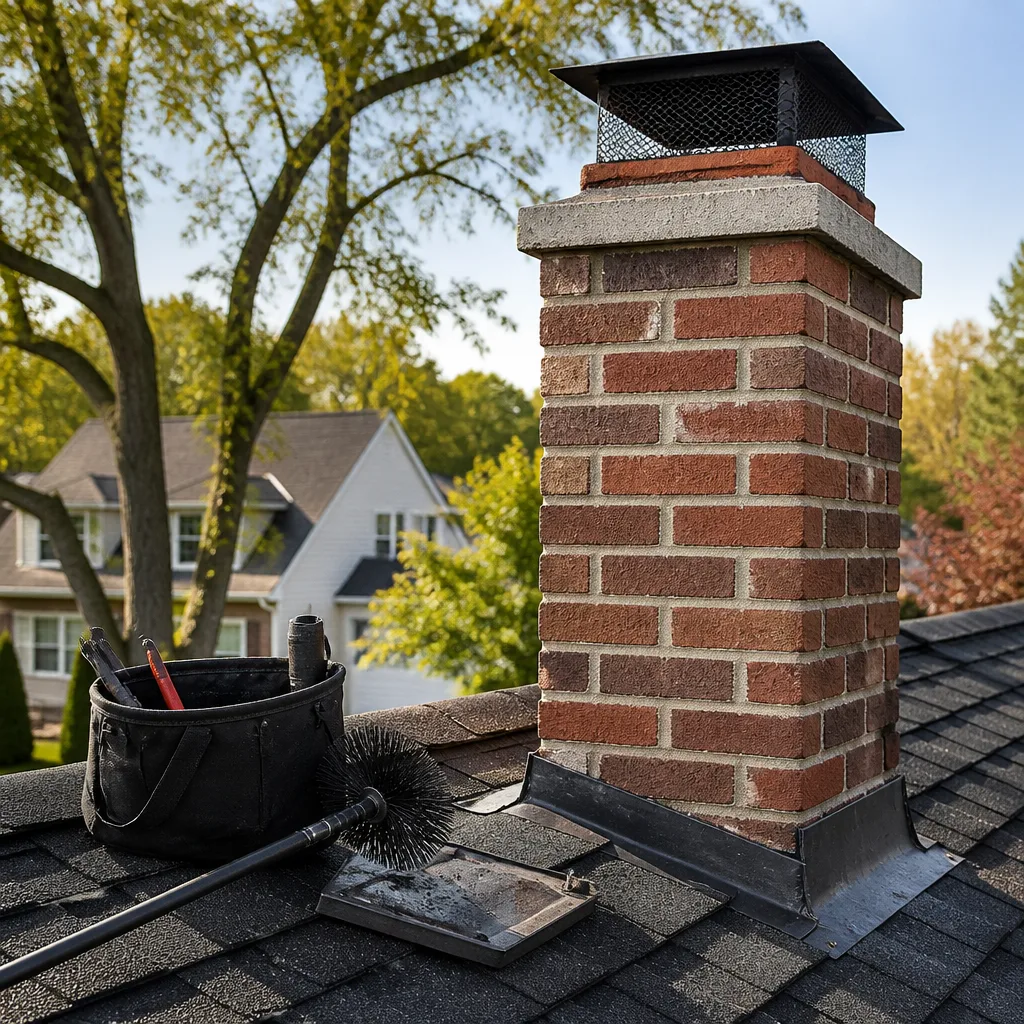 Sweep & inspection
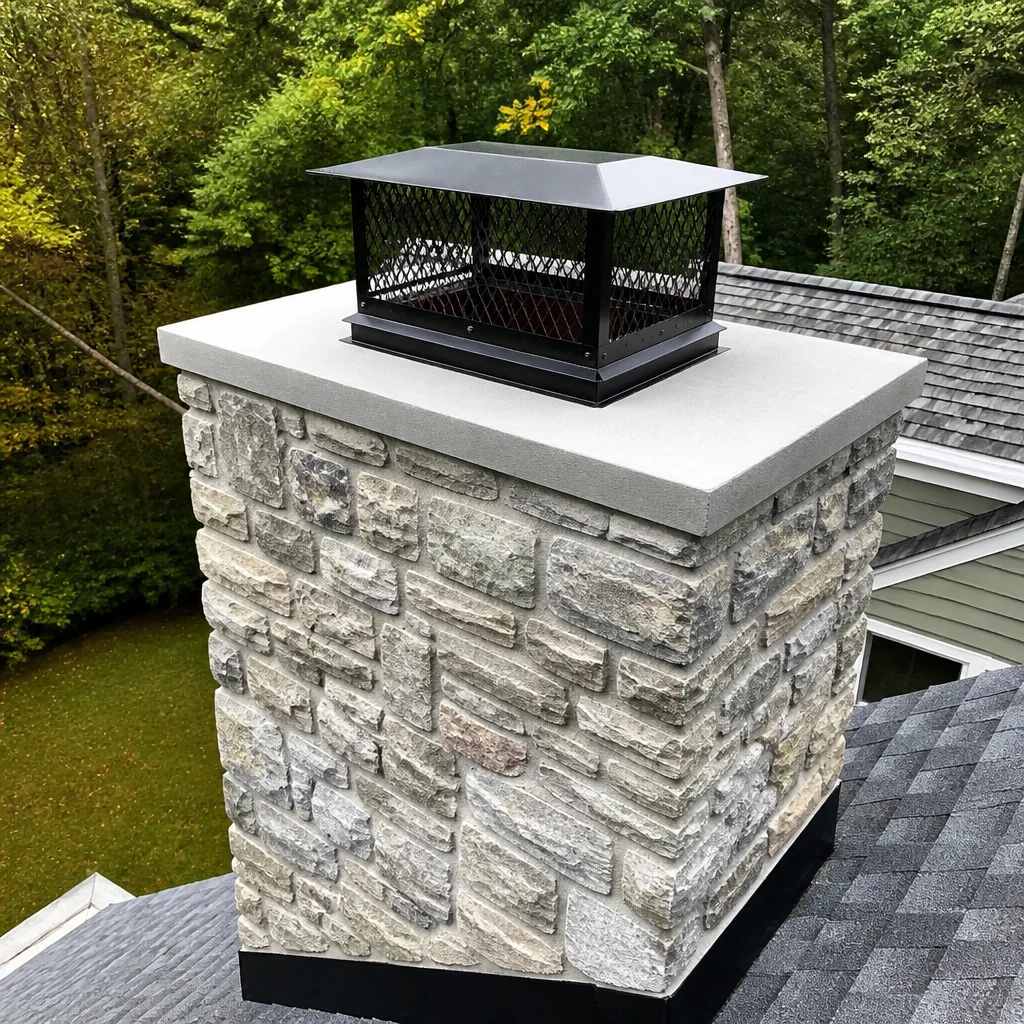 Caps & crowns
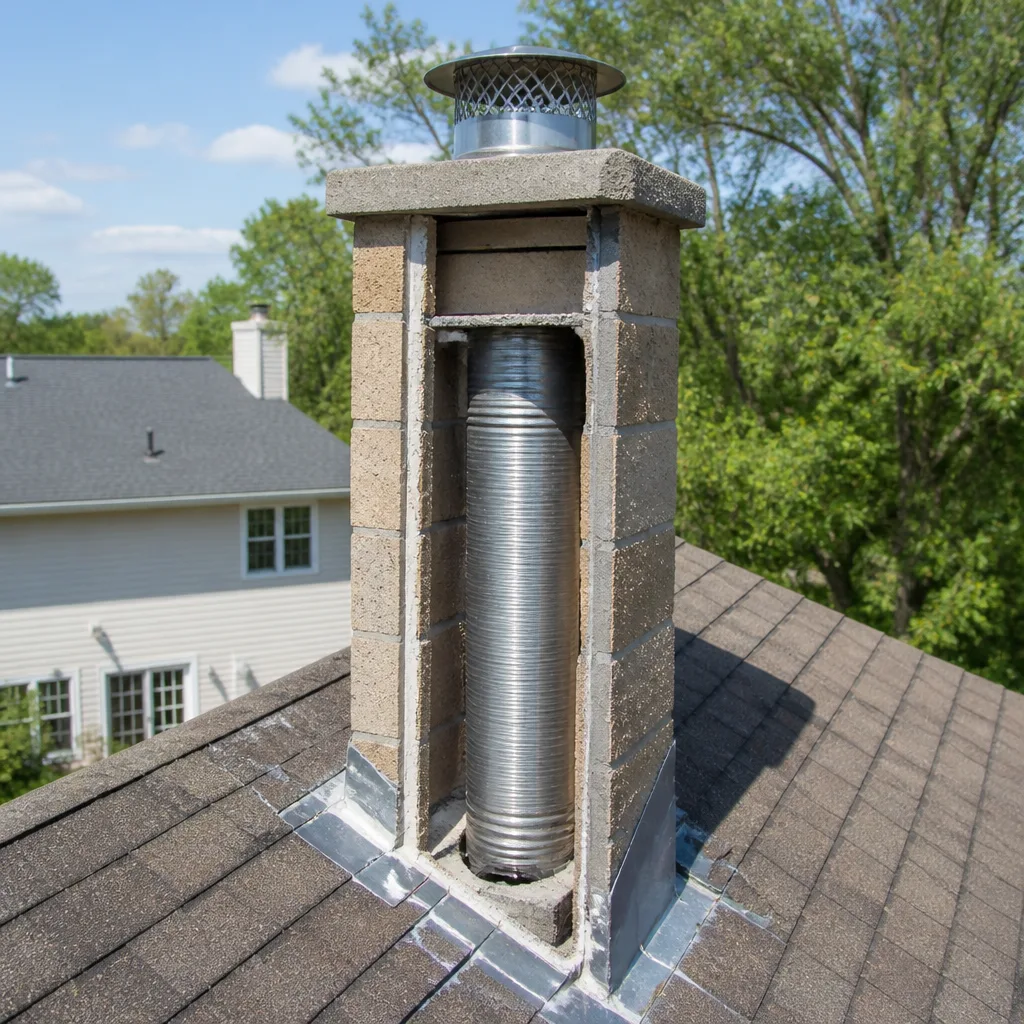 Flue relining
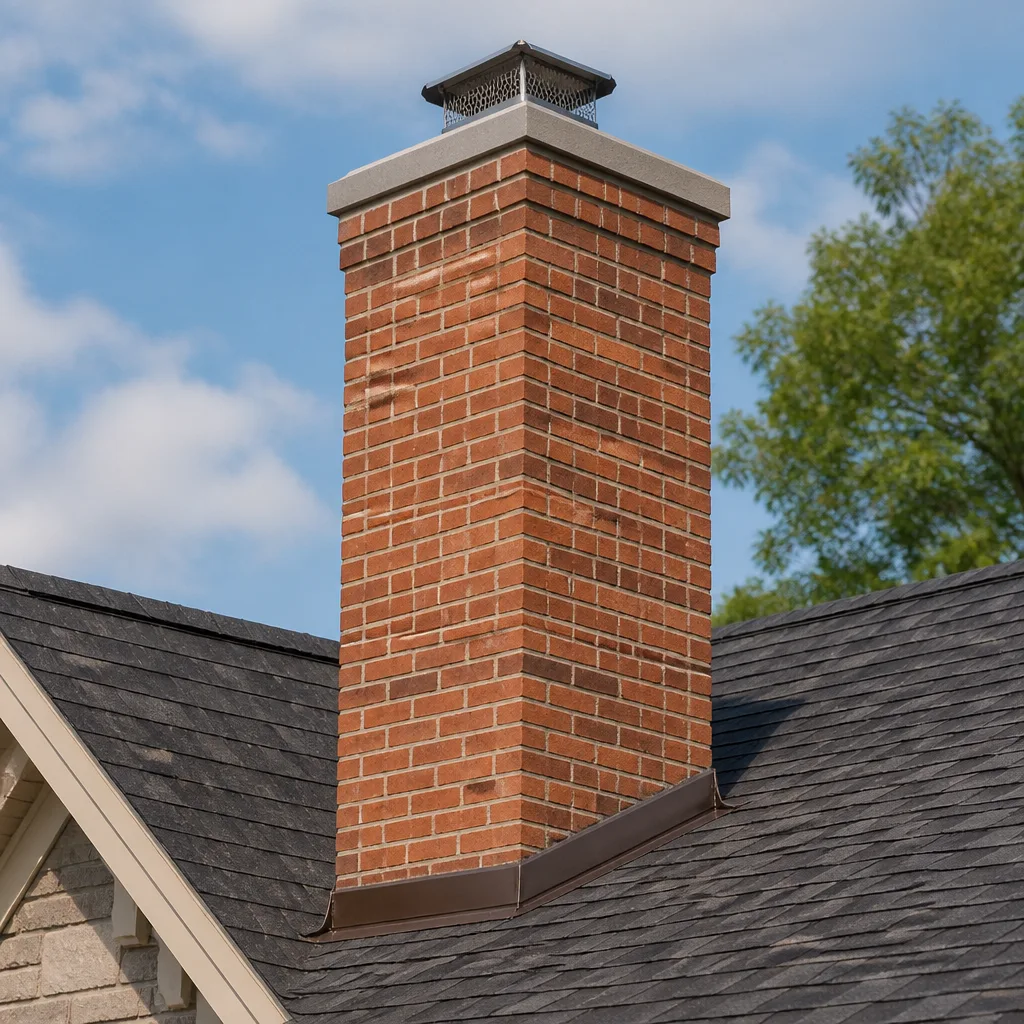 Masonry repair
 Gas fireplace service
Level 1 sweep and inspection to the NFPA 211 annual standard - flue, crown, cap, and flashing checked and photographed
Chimney sweep logs do not sweep chimneys. They loosen some creosote - which then falls where a brush and vacuum still have to collect it.
Chimney Sweep Maintenance Checklist for Richmond Homeowners
The chimney cap on a Richmond home takes a beating from wind and moisture, and it can fail in three years. The firebox tile it protects may last thirty. That gap is the whole problem with the standard chimney checklist. Treat every component on the same annual schedule and you’ll replace some things too late and inspect others far more often than they need. A chimney isn’t one system on one clock; it’s six or seven parts, each wearing on its own timeline, and each with its own warning signs. This guide gives you a component-by-component tracking framework for a Richmond chimney, the checks you can safely do yourself between professional visits, and the seasonal triggers that actually matter here.
Quick Answer
A Richmond homeowner should sweep and inspect the flue once a year if the fireplace sees regular use, check the cap, crown, and flashing visually every few months, and keep a written log of what each inspection finds. The liner, damper, and firebox tile get checked during the annual professional visit, not by the homeowner. Maintaining by component rather than by calendar means the right part gets attention at the right time.
Styles & brands we work with
- Sweep & inspection
- Caps & crowns
- Flue relining
- Masonry repair
- Gas fireplace service
Table of Contents
- How long does each chimney component last in Richmond?
- What can you safely check yourself between professional visits?
- How do you keep a chimney log that makes inspections faster?
- What are the seasonal triggers for chimney maintenance in Richmond?
- Which maintenance gaps void manufacturer warranties?
- What’s the difference between a Level I, II, and III inspection?
- When is a sweep enough, and when does repair come into it?
- Why does creosote build-up matter more than the soot you can see?
How long does each chimney component last in Richmond?
Component lifespans vary widely, and Richmond’s wind exposure is the biggest local variable. The cap sits at the top of the stack taking the full force of weather, while components inside the flue are protected from wind but attacked by heat, creosote, and moisture from the fire itself. Tracking each part on its own clock is the difference between a maintenance plan and a guess.
Here’s what we typically see for lifespan expectations in the Richmond climate:
- Chimney cap (Gelco or Famco type): 3 to 10 years depending on material. A basic galvanized cap facing steady wind and rain can rust through in as little as three years. Stainless or copper caps last much longer.
- Crown (the concrete slab on top): 15 to 25 years. Cracks appear sooner but a functioning crown outlasts most caps by a decade or more.
- Flashing (where the chimney meets the roof): 15 to 20 years. The metal itself holds up, but the sealant around it dries and cracks in warm, dry summers.
- Clay flue tile liner: 30 to 50 years when protected, far less when moisture gets behind the tiles. This is where HeatShield restoration earns its keep.
- Stainless steel liner (DuraFlex type): 20 to 30 years with proper maintenance. Skipping sweeps can cut that dramatically.
- Damper: 15 to 25 years for a throat damper, longer for a top-sealing model from Olympia Chimney.
- Firebox tile and mortar: 20 to 30 years, or much longer with regular repointing.
The takeaway for a Richmond homeowner: don’t put the cap and the firebox tile on the same replacement schedule. The cap will need attention several times before the firebox does once.
What can you safely check yourself between professional visits?
Several chimney components can be checked safely from inside the house or from the ground with binoculars. Anything involving the roof, the flue interior above the damper, or high-tension parts is a professional’s job. We want homeowners to know the safe checks because the more you notice, the more useful your call to us becomes.
The checks you can safely do:
- Shine a flashlight up from the firebox opening with the damper open. You’re looking for obvious soot accumulation on the smoke shelf, visible cracks in the firebox tile, and any staining that suggests water is getting in.
- Operate the damper to confirm it opens fully and closes flush. A damper that sticks or won’t seal is a call-worthy finding.
- Watch the smoke behavior when you first light a fire. Smoke rolling back into the room instead of rising up the flue usually points to a blockage, a cold flue, or a closed damper.
- Inspect the firebox mortar joints for crumbling or gaps between the bricks. Small cracks in the firebrick are common; loose or missing mortar is not.
- Look at the cap and crown through binoculars from the ground. Rust, holes, or a missing cap are all visible from a safe distance.
- Check for water stains on the chimney breast, ceiling, or firebox after heavy rain.
What you should never do yourself: climb the roof, remove the cap, reach into the flue above the damper, or attempt to sweep the chimney with a brush on a pole. Soot and creosote are respiratory hazards, and roof work on a Richmond home is best left to someone insured for it.
How do you keep a chimney log that makes inspections faster?
A chimney log is a simple document – paper or digital – that records what each inspection finds, what gets repaired, and what gets observed between visits. In our experience, a homeowner who hands us a three-year log makes the inspection faster and the diagnosis more accurate, because we can see what’s changing and at what rate.
Here’s what to log:
- Date of each professional sweep or inspection and the level performed (I, II, or III).
- Who performed it and the brand of any components noted (for example, whether the existing liner is DuraFlex or original clay tile).
- What was found – creosote stage, cracked tiles, cap condition, water intrusion.
- What was repaired and with what material. If HeatShield was applied, note the date. If a Gelco cap was installed, note the model.
- Burning habits: roughly how many cords or how often the fireplace was used during the season.
- Between-visit observations: “damper felt sticky in November,” “smoke rolled back once after a cold snap,” “small crack appeared in firebrick in February.”
The log doesn’t need to be elaborate. A notebook kept near the fireplace works. What matters is consistency – a dated entry each time something is noticed or done. When you call for your chimney sweep, mention the log; we’ll ask for it.
What are the seasonal triggers for chimney maintenance in Richmond?
Richmond runs on two clear seasonal triggers for chimney care: the first burn of fall and the end of the rainy season. Generic spring-and-fall advice misses both. Your chimney’s needs follow the weather pattern here, not the calendar printed in a national magazine.
First fall burn prep. Before lighting the season’s first fire, run through a short list:
- Open the damper fully and confirm free movement.
- Shine a light up the flue and look for blockages – birds’ nests and debris from summer wind are common in Richmond.
- Clear the firebox of ash from the previous season.
- Confirm a sweep has been done within the past year if the fireplace is used regularly.
- Check the smoke detector and carbon monoxide detector batteries.
Post-rainy-season moisture check. After the wet months, walk the firebox and chimney breast with a flashlight. Water staining on the firebox walls, musty odors, or efflorescence (white powder on the masonry) all point to a moisture problem that likely came from the cap, crown, or flashing. Catching it in spring saves real money versus discovering it in October.
Richmond’s mild winters mean the fireplace often goes unused for weeks at a time and then gets heavy use in a cold snap. That pattern – long dormant stretches followed by intense use – is actually harder on the flue than steady burning. Log your heavy-use periods so the next sweep can account for them.
Which maintenance gaps void manufacturer warranties?
Most chimney component warranties require documented, professional maintenance at specified intervals, and gaps break the coverage. A stainless liner sold under DuraFlex or a damper from Olympia Chimney carries a warranty that assumes regular sweeping and inspection. If creosote damage or corrosion shows up and no maintenance record exists, the manufacturer can decline the claim even when the installation was perfectly done.
Common maintenance gaps that break warranties:
- No annual inspection record. Most warranties require an inspection at least once per year. A missed year is enough to challenge coverage.
- Burning unseasoned wood or trash. Some warranties specifically exclude damage from burning material the liner wasn’t rated for.
- Skipping sweeps when creosote is heavy. Creosote-attributed damage with no sweep history is very hard to claim.
- Unauthorized repairs. Patching a cracked flue tile with generic mortar instead of a proper restoration system like HeatShield can void coverage on the original liner.
- Missing caps or damaged caps left unrepaired. Water intrusion after a known cap failure is often excluded.
The fix is simple: keep the log, schedule the annual visit, and let a full-service company handle the repairs so the paperwork stays clean. Juniper Chimney Sweep works with professional-grade components – HeatShield, Gelco, Olympia Chimney, and Famco among them – because we want the warrantied component installed correctly.
What’s the difference between a Level I, II, and III inspection?
Chimney inspections come in three levels, and the right one depends on what’s changing in your setup. A Level I inspection covers readily accessible components – firebox, damper, visible flue, cap from the ground – without special tools. A Level II adds a camera inspection of the full flue interior and is the standard when you’re buying or selling a home, changing fuel type or appliance, or after any chimney fire. A Level III involves opening up concealed parts of the chimney – typically masonry work – and only happens when a Level I or II reveals a serious hidden problem.
In our experience, most Richmond homeowners need a Level II at least once, and many choose to pair it with their annual sweep so the camera confirms what the sweep removes. If you’ve just bought the house, had a chimney fire, or are installing a new wood stove insert, a Level II is the right call. If the fireplace is used lightly and nothing has changed, a Level I alongside the annual sweep is usually enough. For more on what we look for during an inspection and the repairs that follow, see chimney repair.
When is a sweep enough, and when does repair come into it?
A sweep is enough when the only issue is creosote and soot accumulation and every component is otherwise healthy. Repair comes in when the inspection finds cracked flue tiles, a failed damper, water intrusion, a crumbling crown, or a deteriorated cap. The problem with hiring a sweep-only company is that the second discovery forces a hand-off – the cleaner can find the damage but can’t fix it, so you’re calling a second contractor and starting over. That’s the gap Juniper Chimney Sweep is built around: we do the sweep, the inspection, and the repair under one roof, so there’s no finger-pointing between a cleaning crew and a repair crew.
For damaged tile that hasn’t fully failed, HeatShield liner restoration is an option many homeowners don’t know exists. Instead of tearing out the old liner and rebuilding, HeatShield is applied as a restoration system to rehabilitate deteriorated flue tile – a repair most sweep-only companies simply aren’t equipped to offer. When the flue needs a full reline, a flexible DuraFlex liner handles offset or irregular flues where a rigid liner won’t fit.
When you get an estimate, ask which components need replacing now and which can safely wait. A cap that’s rusting but still sealing can wait until next season. A flue with cracked tiles and visible creosote behind them can’t. That distinction is what you’re paying the professional to make.
Why does creosote build-up matter more than the soot you can see?
Creosote is the real hazard in a chimney, not soot. Soot is dry, powdery, and relatively harmless. Creosote is the tar-like residue from imperfect combustion, and it comes in three stages: light flaky deposits, sticky glazed deposits, and hardened glazed deposits that are essentially a fuel load inside the flue. The stage-three variety is what fuels chimney fires, and it doesn’t come off with a homeowner’s brush.
Creosote accumulates faster when:
- Wood is burned green or poorly seasoned.
- The fire is routinely burned cool and smoky – smoldering overnight logs, closing the damper too early.
- The flue is oversized for the fireplace, so smoke cools and deposits before reaching the cap.
- Inserts or stoves are vented into a flue sized for a fireplace opening.
You can’t see creosote beyond the first few feet of the firebox opening – the deposits that matter are higher up the flue – which is why the professional sweep and camera inspection matter more than any visual from inside the house. When we find glazed creosote, we tell you the stage, show the photo evidence, and explain what it takes to remove it safely. Safety is the reason to keep up with the annual sweep, not the appearance of the firebox. Call (866) 361-9755 for an exact quote on a sweep or inspection – estimates are free.
Common Mistakes to Avoid
- Treating the whole chimney as one maintenance item. Caps, crowns, liners, and fireboxes age at completely different rates. Putting them on the same annual replacement schedule wastes money and misses early failures.
- Skipping the sweep because the firebox looks clean. The firebox is the part you can see. The creosote that matters is higher up the flue and won’t show from the opening.
- Burning unseasoned wood to “save” on firewood. Green wood makes smoke, and smoke makes creosote. Seasoned wood costs more up front and far less in the flue.
- Ignoring a missing or rusted cap. In Richmond, wind and rain get into an uncapped flue quickly, and water damage behind the tile liner is expensive to reverse.
- Losing the paper trail. Without a log, you can’t prove the maintenance a warranty requires and can’t tell whether a crack is new or a year old.
- Hiring the sweep and then a separate repair crew. The hand-off wastes time and leaves room for each side to blame the other if something goes wrong.
- Doing roof or flue work yourself. Steep-roof access and interior flue work are genuinely dangerous. Leave them to a trained professional.
See the difference
 Before
 After
 Before
 After
 Before
 After
When to Call a Professional
Call a professional when the firebox shows damaged or missing mortar, when smoke rolls back into the room instead of rising, when you spot water stains on the chimney breast or ceiling, when the damper won’t seal or open fully, or when the cap is visibly rusted through from the ground. Call if you’ve never had a Level II inspection on the home and you don’t know the condition of the liner. Call after any chimney fire, however small it seemed at the time. And call once a year as a matter of routine if the fireplace or wood stove sees regular use – the sweep is preventative and the inspection is what catches hidden damage before it becomes repair work. Juniper Chimney Sweep offers free estimates in Richmond – call (866) 361-9755. Our technicians have up to 13 years of experience and can perform the sweep, inspection, and any needed repair in one visit.
Frequently Asked Questions
Once per year for a fireplace that sees regular use through the cold season, and more often if you burn heavily or notice heavy creosote during the annual inspection. A wood stove that runs through the whole winter may need a mid-season sweep too. Call (866) 361-9755 for an exact quote – estimates are free.
Chimney sweeps are quoted per job after a written estimate, and the price depends on the number of flues, the level of creosote, and whether an inspection is bundled with the sweep. The estimate is free and the written price is what you pay. Call (866) 361-9755 – we’ll schedule the estimate and walk you through what’s included.
Only if the camera inspection shows the existing liner is cracked, deteriorated, or improperly sized for the appliance. Many flues that look bad from the firebox can be restored with HeatShield instead of torn out and relined. We don’t recommend liner work without showing you the photo evidence first, and we’ll say plainly when it can safely wait. Call (866) 361-9755 to schedule a Level II inspection with photo report.
Creosote builds up beyond the stage a brush can easily remove, which raises the risk of a chimney fire and can damage or void the warranty on a stainless liner. Carbon monoxide is another concern once the flue is partially blocked. Skipping one year rarely causes a disaster; skipping several is when the repairs get expensive. Call (866) 361-9755 to get back on schedule.
Not safely. Soot and creosote are respiratory hazards, roof access is dangerous, and a homeowner brush can’t remove glazed creosote or reveal damage inside the flue. What you can do is the safe visual checks from the firebox opening and keep the log. Call (866) 361-9755 – we’ll handle the sweep and the inspection together.
Missing annual inspection records, unauthorized repairs, burning unseasoned wood, and known cap failures left unrepaired are the big ones. Keep the log, use a full-service company so the paperwork stays consistent, and use the proper restoration system when a liner needs rehabilitation. Call (866) 361-9755 if you’re unsure what your current warranty requires.
The Bottom Line
Maintain your Richmond chimney by component, not by calendar. The cap needs attention far more often than the firebox tile, and the liner sits on its own schedule between them. Keep a dated log, do the safe visual checks between professional visits, and schedule the annual sweep and inspection so nothing falls into a gap. When repair is needed, having the sweep, inspection, and repair under Juniper Chimney Sweep means one company owns the diagnosis and the fix. Protect your flue system as a system, and the expensive surprises become rare.
Call (866) 361-9755 for a free estimate. We answer 24/7. Fast dispatch from 7am to 7pm, Sunday through Friday.
Written by the team at Juniper Chimney Sweep.