
Last updated November 15, 2026
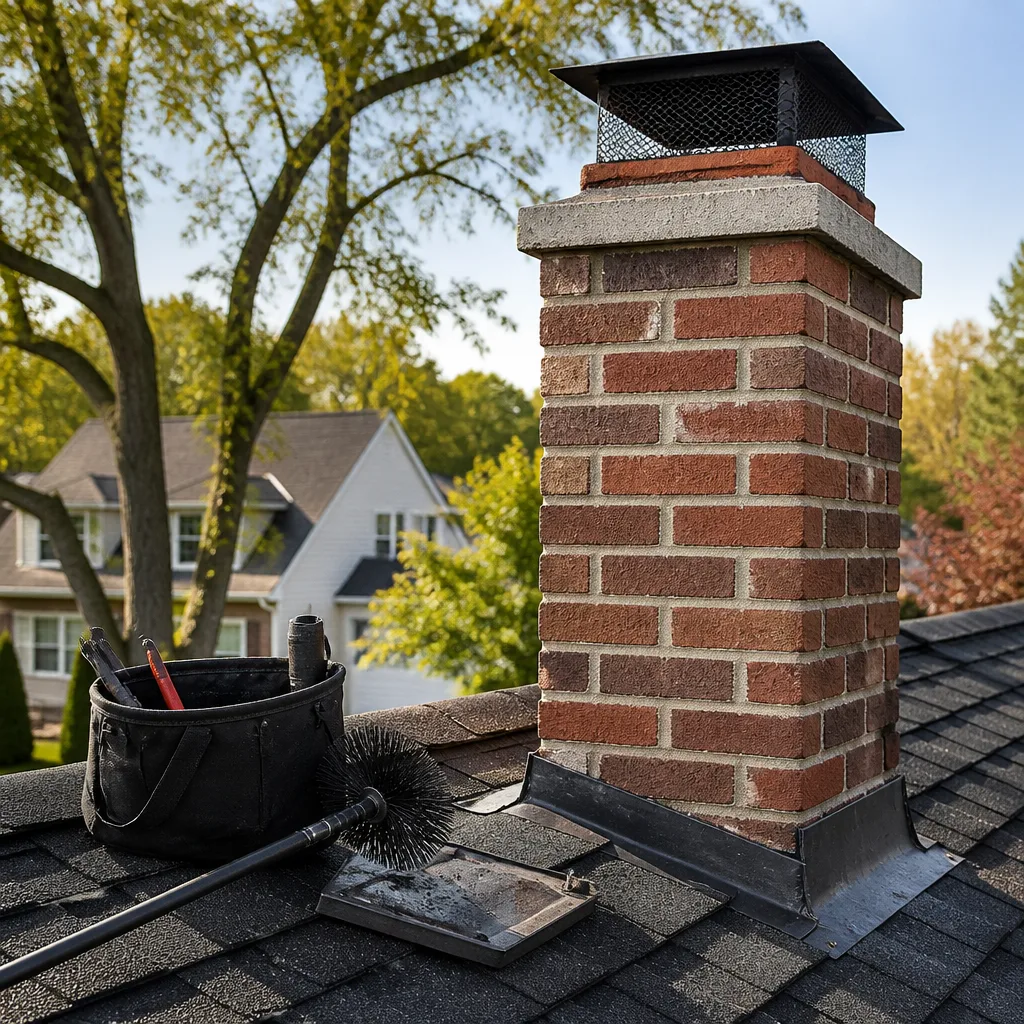 Sweep & inspection
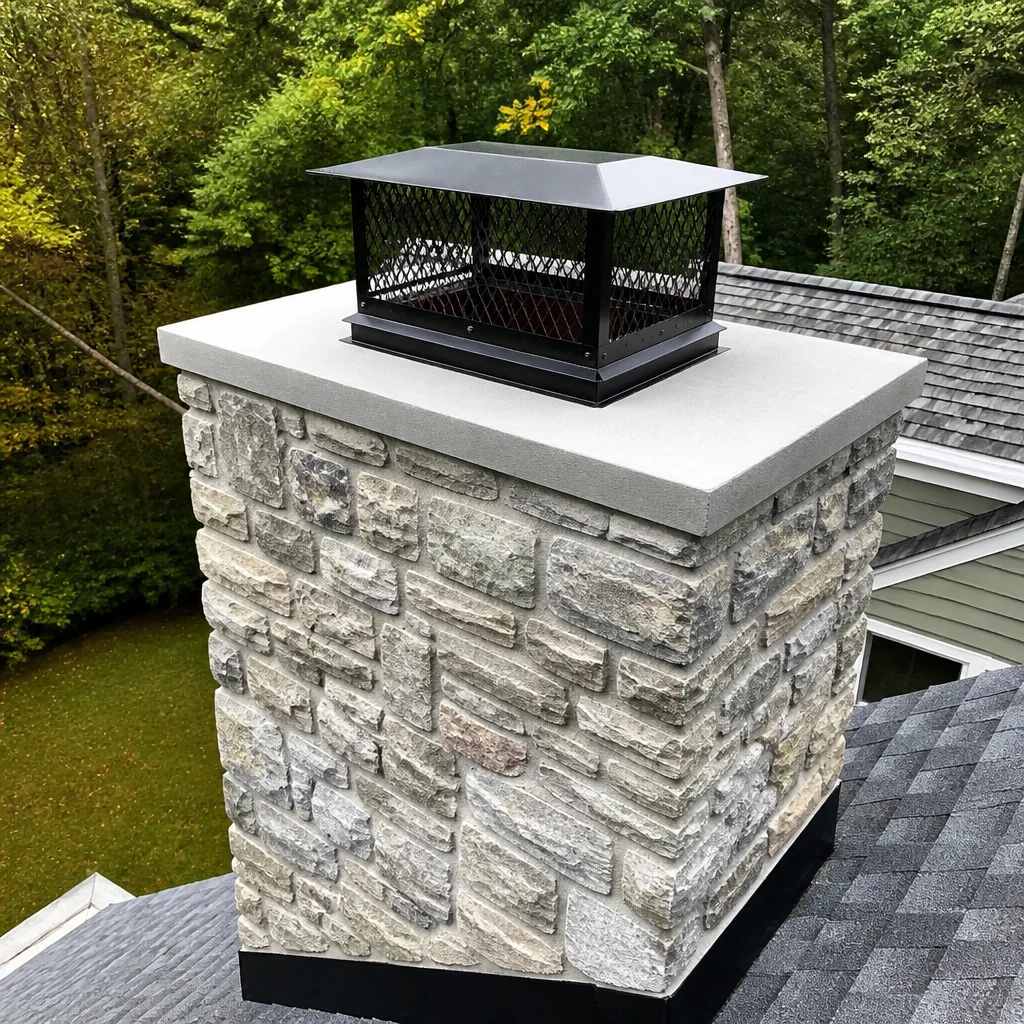 Caps & crowns
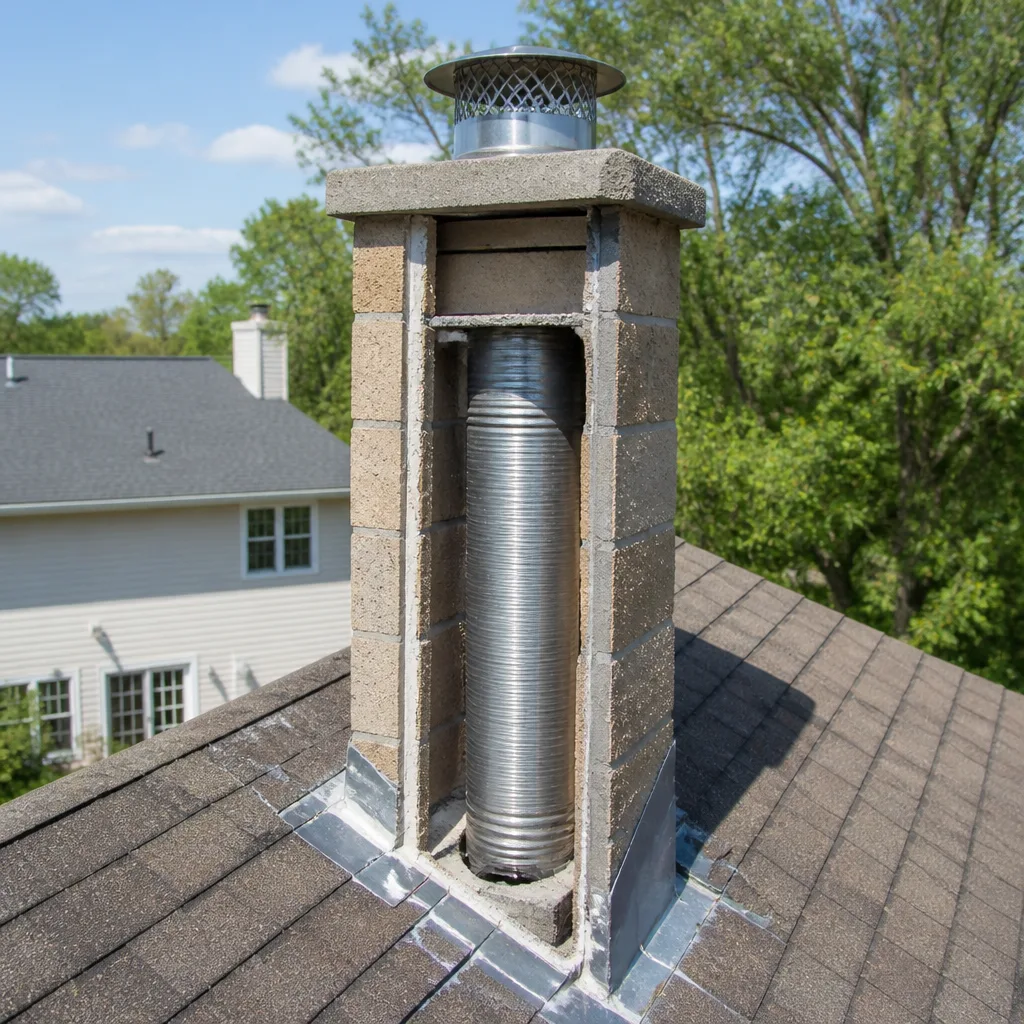 Flue relining
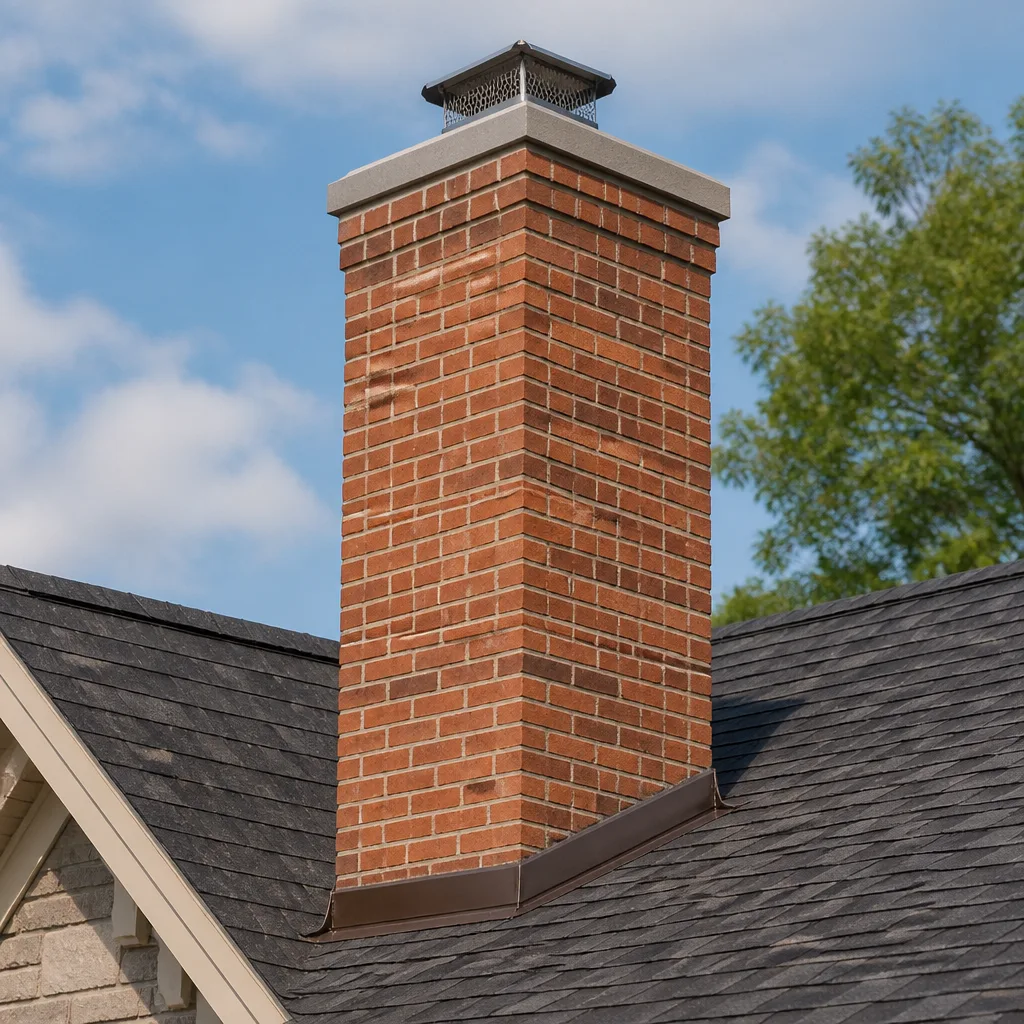 Masonry repair
 Gas fireplace service
Level 1 sweep and inspection to the NFPA 211 annual standard - flue, crown, cap, and flashing checked and photographed
Chimney sweep logs do not sweep chimneys. They loosen some creosote - which then falls where a brush and vacuum still have to collect it.
How to Hire a Chimney Cleaning Contractor in Richmond: A Step-by-Step Guide
Two trucks can pull up to the same Richmond house, quote wildly different prices, and both look legitimate on paper. One carries a technician trained to read a flue; the other carries a brush and a shop vac. The homeowner standing in the driveway has almost no visible way to tell which is which before the work starts. That gap between cleaning and diagnosing is where most hiring mistakes happen, and it’s what this guide is built to close. You’ll learn which credentials carry real technical weight, the exact questions that expose whether a contractor can diagnose what they find, what a written estimate should contain, and how to check licensing through California’s own database before anyone steps on your roof.
Quick Answer
To hire a chimney cleaning contractor in Richmond, verify three things before booking: the technician’s CSIA or NFI credentials (not just a business license), the contractor’s standing in the California State License Board database, and whether the company can actually repair what an inspection uncovers. The best hire is not the lowest bid. It’s the contractor who inspects, documents findings with photos, and can perform the repair in the same week without handing you off to a second company.
Styles & brands we work with
- Sweep & inspection
- Caps & crowns
- Flue relining
- Masonry repair
- Gas fireplace service
Table of Contents
- Why hiring a chimney contractor in Richmond is different
- The certifications that actually matter
- Five interview questions that separate cleaners from diagnosticians
- What a legitimate written estimate includes
- How to verify licensing and insurance through the CSLB
- Red flags specific to the Bay Area market
- How Richmond’s mild winters shape chimney maintenance
- Common mistakes to avoid
- When to call a professional
Why hiring a chimney contractor in Richmond is different
Richmond sits in a stretch of the East Bay where winters are mild and fireplaces get lighter use than they would in the Sierra foothills. That sounds like good news for homeowners, and it partly is. But light use creates its own hiring problem: creosote builds up slowly, so the warning signs that would send a heavy-use household scrambling for a sweep can stay invisible for years. A homeowner in the Richmond hills might burn a few cords over several seasons and never notice the glaze forming inside the flue. When they finally call someone, they’re often calling cold, without a relationship or a referral, and that’s exactly when the vetting matters most.
The second dynamic is the market itself. The Bay Area draws seasonal operations that move through neighborhoods offering low-price cleanings and “free inspections” that function as sales pitches. Search results for a chimney sweep in Richmond mix established local specialists with out-of-area crews and lead-generation middlemen. The price spread you see is real, and it reflects training more than it reflects quality of labor. A cheap sweep and a careful one both take about the same hour. What differs is whether the person holding the brush knows how to read a flue and has the authority and capability to do something about what they find.
Richmond’s housing stock adds a third wrinkle. A good deal of it predates modern chimney construction standards, and older flues have their own set of quirks: offset liners, unlined original masonry, and caps that have weathered in place for decades. None of that makes a house unsafe by itself. It does mean a technician who only cleans visible surfaces will miss how much the flue system has changed since it was built. That’s the gap between a chore and chimney health, and it’s the reason to interview for both skills.
The certifications that actually matter
Ask a contractor what certifications their technicians hold and you’ll hear a jumble of acronyms. Most of them mean something. A few don’t. Knowing which is which is the single fastest filter you can apply before hiring in Richmond.
CSIA certification
The Chimney Safety Institute of America is the recognized credentialing body for chimney sweeps in the United States. A CSIA-certified sweep has passed a written exam covering flue science, venting, codes, and inspection procedure, and keeps that certification current. This is the baseline credential to look for. It signals the technician understands the chimney as a system, not just a tube that needs brushing.
NFI certification
The National Fireplace Institute certifies technicians in specific appliance categories, most notably gas, wood, and pellet. NFI credentials matter most when your chimney serves a wood stove or a gas insert rather than an open fireplace, because those appliances require knowledge of venting clearances and combustion that a general chimney cleaning course doesn’t cover.
Credentials that sound official but aren’t technical
- “Certified technician” with no issuing body named. Ask who certified them. If the answer isn’t a recognized national body like the CSIA or NFI, the credential carries no standard.
- “Licensed and insured” alone. That’s a baseline legal requirement, not a measure of chimney competence. Anyone can carry a contract-level license without specific training.
- “Member of a chimney sweep network” with no exam behind it. Belonging to a trade group is fine. It’s not the same as passing an exam.
In our experience, a certified sweep will name their credential quickly and specifically. A technician who hedges or offers a substitute like “we’ve been doing this a long time” is telling you something about what they haven’t done.
Five interview questions that separate cleaners from diagnosticians
The real question isn’t “will you clean my chimney.” It’s “will you tell me what’s wrong with it and how you know.” These five questions, asked before you book, will reveal that faster than any review or website will.
- “What level of inspection do you perform, and what does it include?” A trained technician will name the standard levels: a Level I inspection of accessible parts, a Level II inspection with video camera during any change in condition, and a Level III inspection when the chimney needs parts opened up. If the answer is “a quick look,” you’re talking to a cleaner.
- “Do you document what you find, and can I see it?” A proper inspection produces photos and a written summary of the findings. You should be able to see what the technician saw, in the flue, not just hear a verbal report. A technician with a camera tells you to look at the screen.
- “If the inspection finds a problem, can you fix it?” This is the diagnostic question. Many cleaning operations cannot do repairs and hand off to a second company. That hand-off invites confusion over who is responsible and what’s actually needed.
- “What materials do you install for a reline or a repair?” A serious contractor will name professional-tier components, such as DuraFlex flexible liners, HeatShield restoration systems, or Gelco and Olympia Chimney components. If the answer is vague, ask where their materials come from. Professional-grade brands are specified by chimney engineers for a reason.
- “What are your qualifications for that repair specifically?” Cleaning and relining are different skills. Installing a flexible liner through an offset flue takes a level of training a cleaning certificate doesn’t cover. Ask what experience the technician has with this exact work.
If a contractor is confident and specific on all five, you’ve found a diagnostician. If they’re solid on cleaning and fuzzy on everything else, at least you know what you’re hiring.
What a legitimate written estimate includes
A verbal quote after a quick look is not an estimate. It’s a guess delivered with confidence. A written estimate, by contrast, should tell you exactly what was examined, what was found, and what it will cost to fix, in a document you can keep and refer back to.
A real written estimate covers the scope of work (what will be done, and where), the components inspected (flue, damper, cap, crown, firebox, and combustion appliance connections where relevant), and the documented findings with photos or a written description of what the technician saw. If a repair is recommended, the estimate should name the product or system involved, explain why it was chosen for your flue, and give a price stated as an estimate, since the final number is set by the written estimate after the job’s requirements are clear.
What’s often missing from a vague verbal quote: the flue itself. A quick look at the firebox reveals the firebox. The flue, where creosote and structural damage actually cause problems, needs a camera to inspect properly. Be wary of any quote that wasn’t preceded by a camera inspection. Also be wary of an estimate that recommends a large repair without a photo you can see and understand. The rule is simple: nothing gets recommended without camera evidence you can see for yourself.
On the topic of price, the range for a standard sweep in the East Bay is not the same as in rural areas, because overhead and labor costs differ. We’ll touch on local pricing in the sections below, but as a rule, a written estimate protects you more than a price range ever can. Ask for it in writing, and ask what it doesn’t include.
How to verify licensing and insurance through the CSLB
Before anyone climbs on your roof, spend five minutes on the California State License Board website. The CSLB maintains a public database you can search by license number, business name, or personnel name. A legitimate contractor will give you their license number without hesitation and will point you to their listing. If they won’t, or if the listing doesn’t match the business name and personnel, walk away.
Here’s what to look for in the CSLB listing:
- Active license status. The license should be active and in good standing, not expired, suspended, or revoked.
- Correct classification. Chimney work generally falls under a general or specialty trade classification. Ask the contractor to confirm which classification covers the work you’re hiring them for, and that their license matches.
- Business name matching. The license should be registered to the business you’re hiring, not to a company that no longer operates under that name.
- Insurance on file. Ask for a certificate of insurance that names the contractor as the insured. Verify that general liability coverage is in place, since that’s what protects your home if something goes wrong during the work.
Vetting insurance and licensing is not a bureaucratic formality. A chimney repair happens on your property, above your living space, and sometimes requires removing parts of the structure. The CSLB check is how you confirm the contractor is legally accountable for the work they do at your home. Skip this step and you’re relying on the contractor’s own word. In our experience, the contractors most comfortable with you checking their CSLB record are the ones with the cleanest records.
Red flags specific to the Bay Area market
The Bay Area has a distinct set of chimney-hiring hazards, and the ones below are the most common we see homeowners stumble into.
The high-volume seasonal discount sweep
You’ve seen the flyers and the search ads. A price so low it seems too good to pass up, often bundled with a “free inspection.” The low price attracts volume, and volume means less time per job. The sweep gets a light cleaning in twenty minutes and a sales push for whatever the inspection turns up. The inspection was often incidental. You’re left with a clean flue and no real report on its condition. Discount pricing isn’t inherently a red flag, but be skeptical if a deep discount comes with a pressured in-home recommendation for a big repair.
Door-to-door “inspection” offers
A person arrives unannounced, offers a free inspection, and finds a serious problem requiring immediate repair. This pattern shows up in Berkeley, Oakland, and Richmond. A real chimney contractor doesn’t need to walk the neighborhood to find work. If someone approaches you cold and finds an emergency on the spot, get a second opinion before agreeing to anything.
What these operators typically miss
- The condition of the flue beyond its accessible surface. Creosote glazing and cracked tiles hide further up.
- The crown and cap, which weather and crack over long periods in milder climates and get little attention until they leak.
- The damper seal, which affects both efficiency and whether combustion gases exhaust properly.
- Whether the flue is appropriately sized for the appliance it serves, especially in homes where a wood stove was added after construction.
None of these require an exotic credential to notice. They require a camera, a trained eye, and the time to use both. That’s the difference between a cheap sweep and a careful one, and in Richmond’s older housing stock, it’s the difference that matters.
How Richmond’s mild winters shape chimney maintenance
Mild winters mean your fireplace sees fewer fires than it would in colder parts of the country. That’s a reason to think your chimney needs less attention, not more, which is why so many Richmond homeowners let maintenance slip. The subtlety is that creosote build-up happens per fire, not per season, and the temperature of the fire matters as much as the volume of wood burned. Cool, smoldering burns deposit more creosote than hot fires. A household that burns a few slow fires a week through the winter can accumulate as much interior build-up as a colder climate’s weekend warrior.
The second factor is the shoulder seasons. Spring and autumn in the East Bay are mild enough that a chimney gets used just often enough to stay warm but not often enough to get inspected. Months can pass with the flue sitting dirty and undetected. Wood-burning appliances also produce creosote over the summer if the home is closed up and the chimney is never inspected between seasons. That’s why an annual inspection is a good rhythm regardless of the climate.
Carbon monoxide is the quiet risk with a chimney that’s been out of use. A blocked or cracked flue can let combustion gases back into living space, and gas inserts are sometimes added to old flues without the venting being updated. A video inspection catches what a casual check misses. That, more than fire risk, is why we recommend an inspection for any Richmond home with an unfamiliar chimney history.
Common Mistakes to Avoid
- Hiring on price alone. The lowest quote in a Richmond search often reflects fewer training hours, not better efficiency. A sweep and a careful inspection are not the same job and shouldn’t be the same price.
- Accepting a verbal estimate after a quick look. A quote that doesn’t follow a camera inspection is a guess. Insist on a written estimate that names the components examined and documents findings with photos.
- Skipping the CSLB check. Verifying license status and insurance takes five minutes on the state’s public database. It’s the only way to confirm the contractor is accountable for the work.
- Assuming a cleaning sweep can also repair. Cleaning and relining are different skill sets. Ask directly whether the contractor can perform the repair, not just diagnose it, before you book.
- Ignoring the cap and crown. Most people think only about the flue. The cap and crown weather over the years and are common sources of water intrusion into Richmond’s older homes.
- Waiting for a warning sign. Light use and mild winters mean warning signs are easy to miss. An annual inspection catches problems before they become expensive to fix.
- Trusting a door-to-door offer. Unsolicited inspections that find emergencies on the spot are a well-known pattern. Get a second opinion from a licensed contractor before agreeing to repairs.
When to Call a Professional
Call a professional when you’ve never had the chimney inspected and don’t know its history, when a change in smell or smoke behavior suggests the flue needs a look, or when you’ve just moved into a Richmond home and want a baseline on the chimney system. Call if you’ve added a wood stove or gas insert and aren’t sure the flue is vented correctly. Call when smoke backs into the room or when the fire burns unevenly and you can’t see why.
And call if you’ve seen warning signs you don’t understand: a crack in the masonry, a missing cap, or a fire that just doesn’t draw the way it used to. None of these are reasons to panic. They’re reasons to get a camera on the flue and a written report you can act on. We answer 24/7, and our technicians have up to 13 years of experience reading exactly these symptoms. Juniper Chimney Sweep offers free estimates in Richmond, the same visit where we can find it and fix it when possible. Call (866) 361-9755.
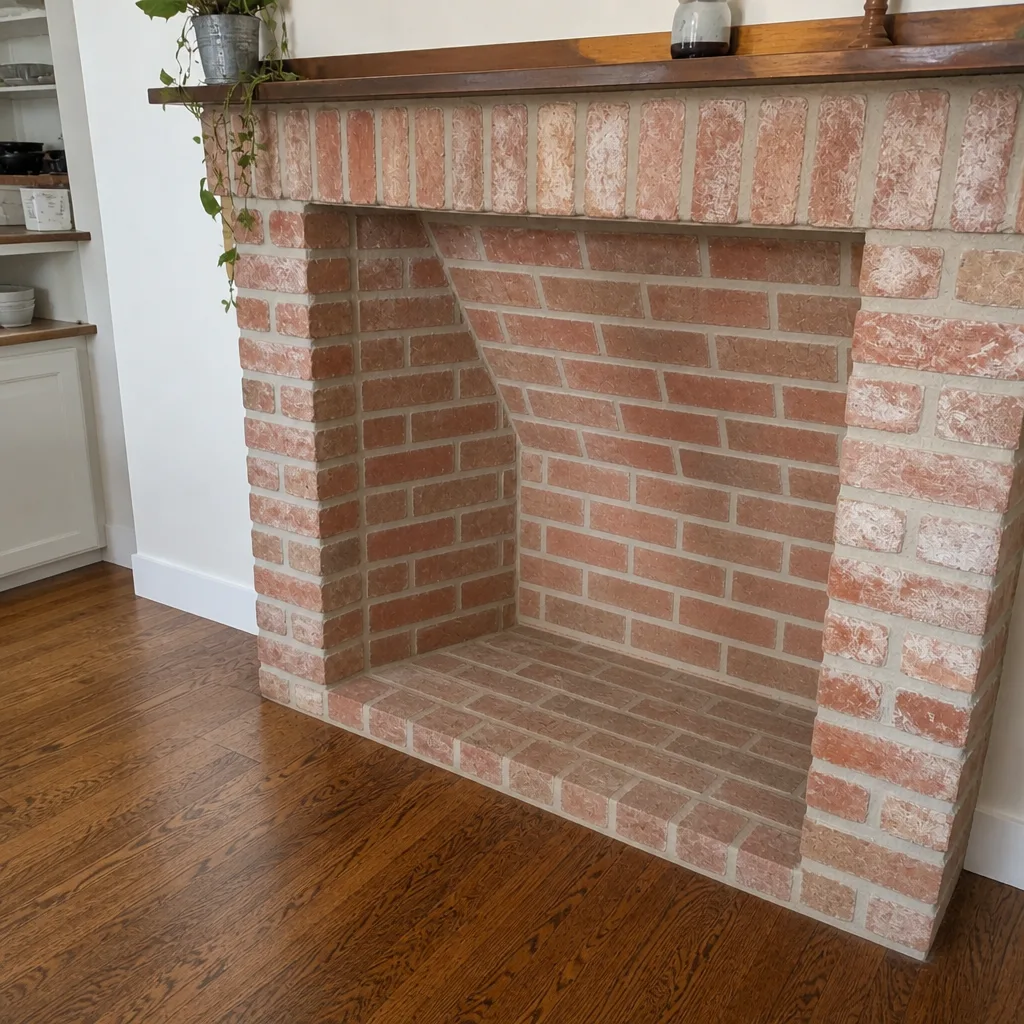
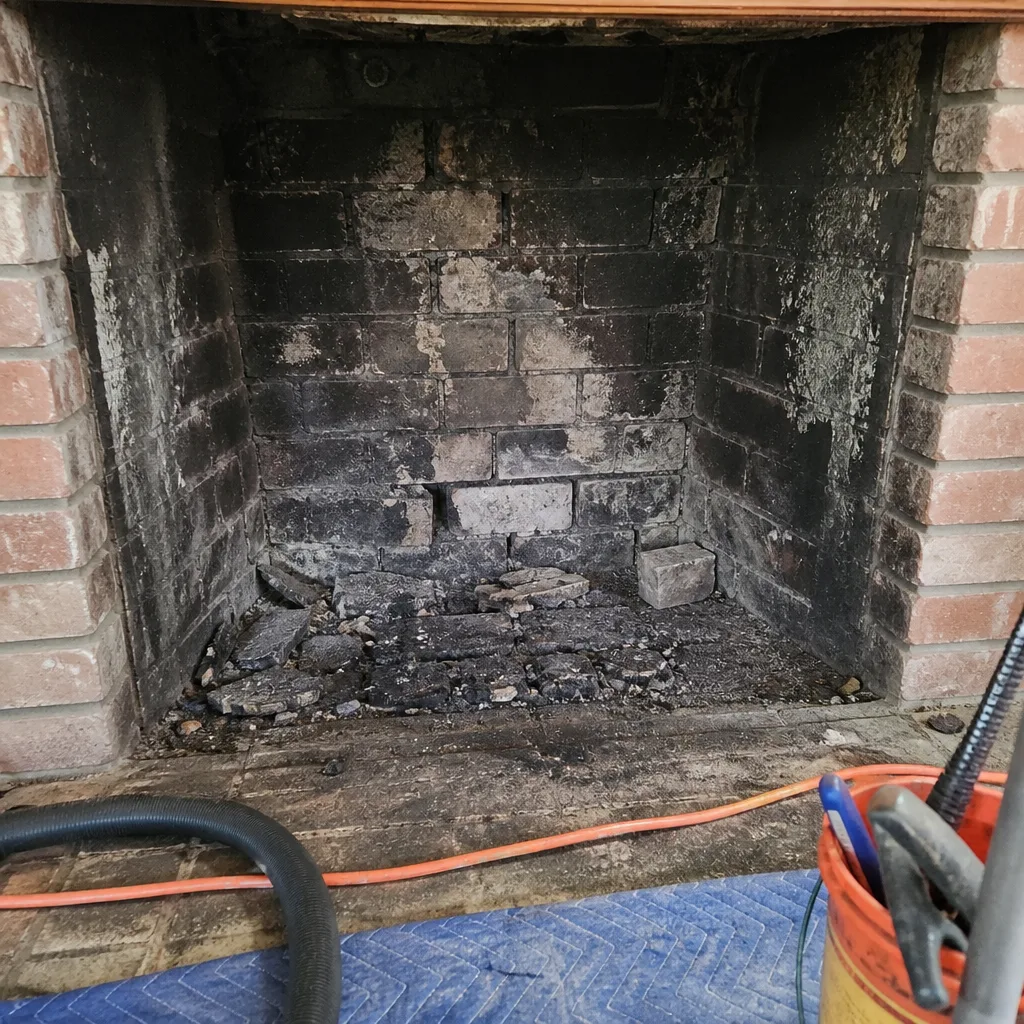
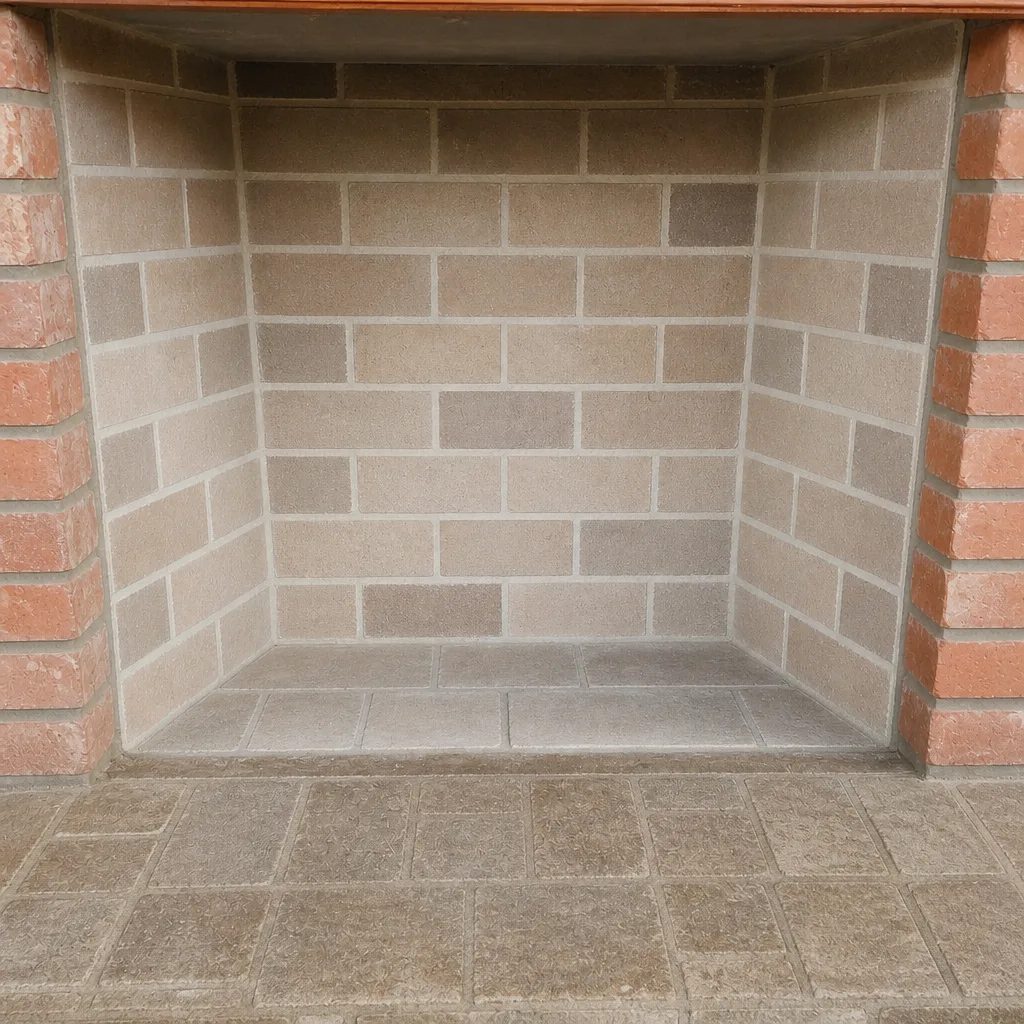
See the difference
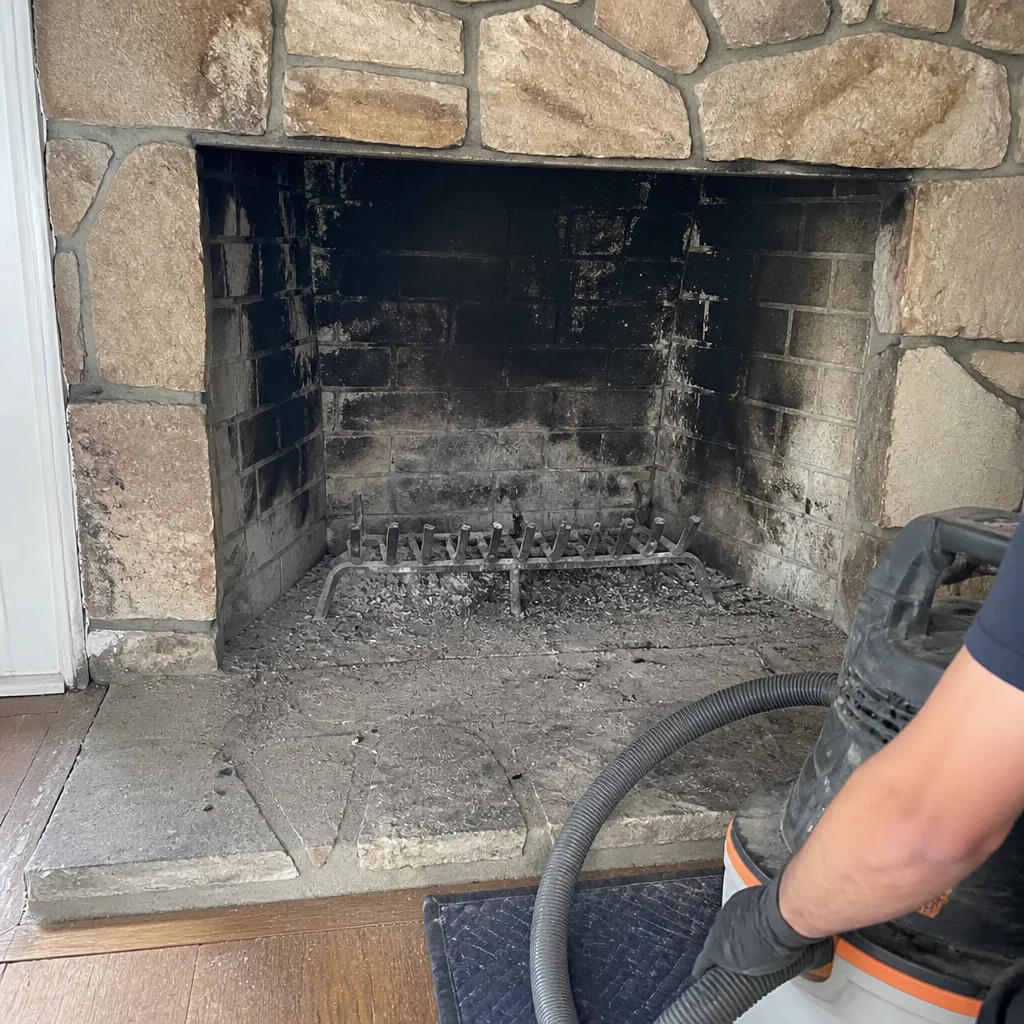 Before
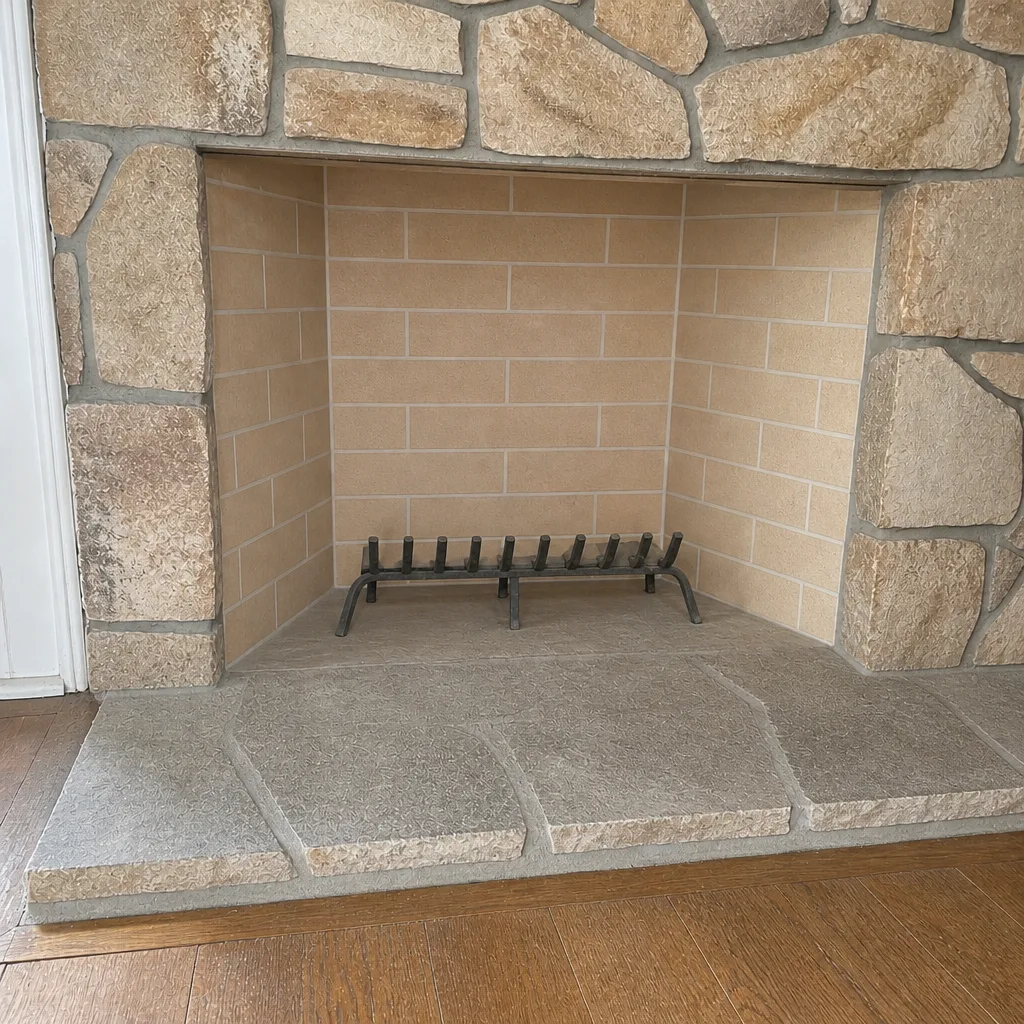 After
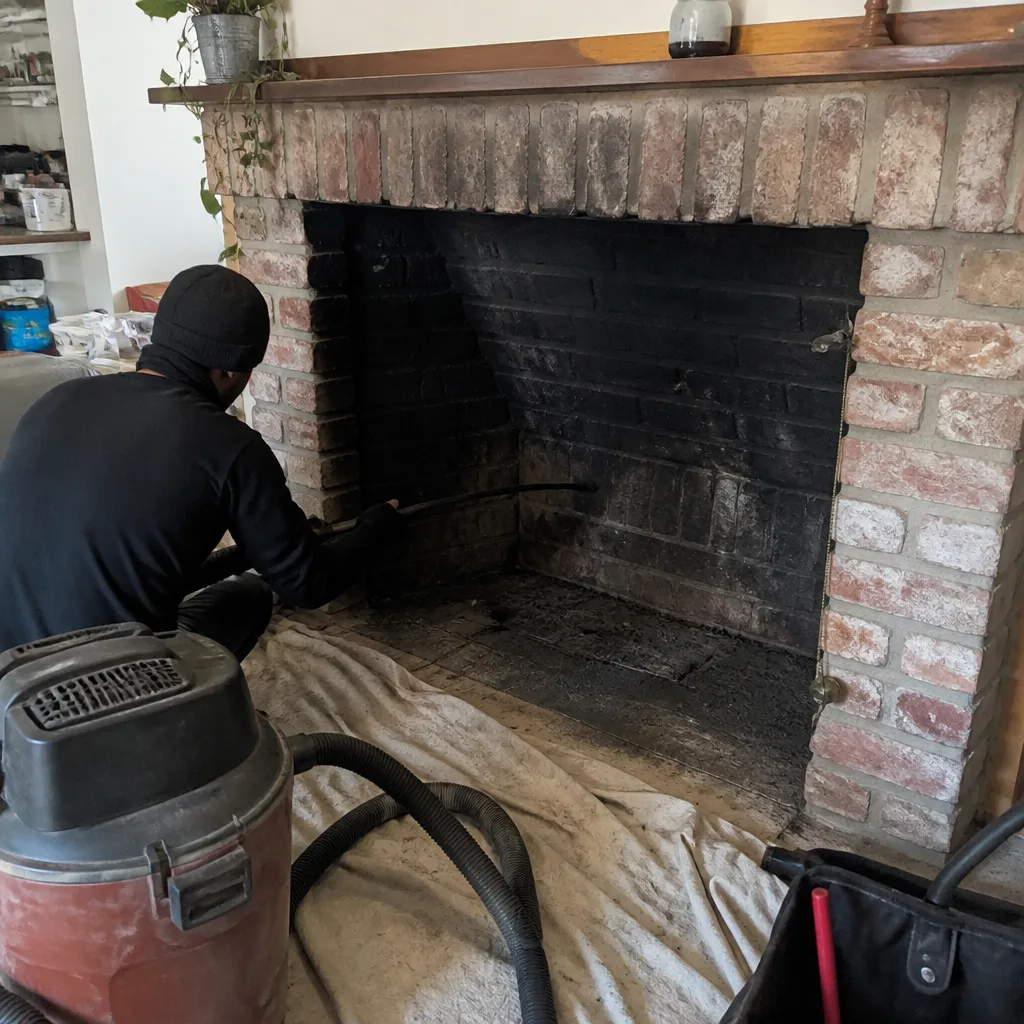 Before
 After
 Before
 After
Frequently Asked Questions
Chimney sweep pricing in Richmond varies with the scope of the job, the accessibility of the flue, and whether an inspection is bundled in. Most homeowners should expect a standard cleaning to sit within East Bay market ranges, but the written estimate sets the final price. Call (866) 361-9755 for an exact quote, and estimates are free.
You need a new liner only when the existing flue can no longer safely contain the combustion products it handles. A cracked, deteriorated, or improperly sized flue can sometimes be rehabilitated with a restoration system rather than a full teardown. The right answer is the one you can see for yourself in the inspection photos. No recommendation should come without camera evidence you can review; if you can’t see the problem, ask why it’s being recommended. Call (866) 361-9755 for a written opinion you can act on.
Most chimneys should be inspected annually and swept when the inspection shows enough creosote or obstruction to justify it, which often works out to once a year for a household that burns regularly. Richmond’s mild winters mean the interval between fires can be long, but creosote keeps building per burn regardless of the season. Call (866) 361-9755 to book an inspection and find out where your chimney actually stands.
Skipping an inspection leaves you unaware of the state of your flue, which is the part of the chimney that carries the risk. Creosote accumulation, cracked tiles, and a blocked or disconnected flue can go unnoticed for years in a lightly used chimney. Some problems can then become expensive repairs that a routine inspection would have caught earlier. Call (866) 361-9755 for a free estimate and a clear answer on what your chimney needs.
Go to the California State License Board website and search by license number or business name. Confirm the license is active, the business name matches the contractor you’re hiring, and insurance coverage is on file. A legitimate contractor will give you the number without hesitation. Call (866) 361-9755 if you have questions about our own credentials.
Some can, and many can’t. Cleaning and relining are different skills, and a sweep-only operator often hands off repair work to a second company. That hand-off is where accountability gets murky. Ask before you book whether the contractor installs professional-grade components and can perform the repair in the same visit when possible. Call (866) 361-9755 to talk through what your chimney needs.
The Bottom Line
Hiring a chimney contractor in Richmond comes down to training and accountability, not price. Check the CSIA or NFI credentials, verify the CSLB record, ask the five diagnostic questions, and insist on a written estimate that documents what was found with photos. If the contractor can clean and diagnose and repair under one roof, you’re not just getting a swept chimney. You’re getting a system someone is responsible for. If the answer to the repair question is “we’ll hand it off,” keep looking. A clean flue with an undiagnosed problem is a false sense of security, and the whole point of hiring a professional is to see what you can’t.
We supply and install professional-grade components, including DuraFlex flexible liners, HeatShield restoration systems, and Gelco and Famco components, so diagnosis and repair happen with the same company. When you call Juniper Chimney Sweep, you get a single point of accountability. We answer 24/7. Fast dispatch from 7am to 7pm, Sunday through Friday. Call (866) 361-9755 today for a free estimate, and we’ll tell you exactly what we found, and what it means for your home.
Written by the team at Juniper Chimney Sweep.