
Last updated November 15, 2026
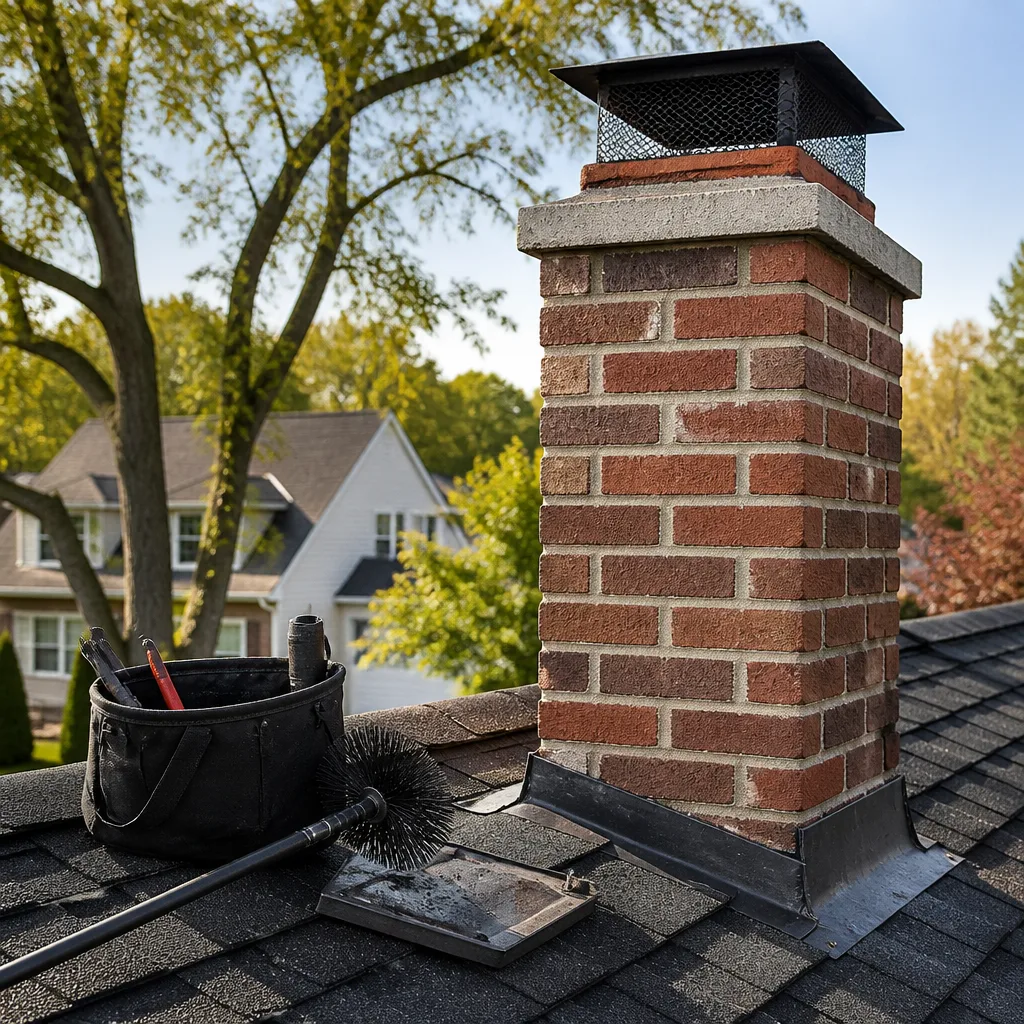 Sweep & inspection
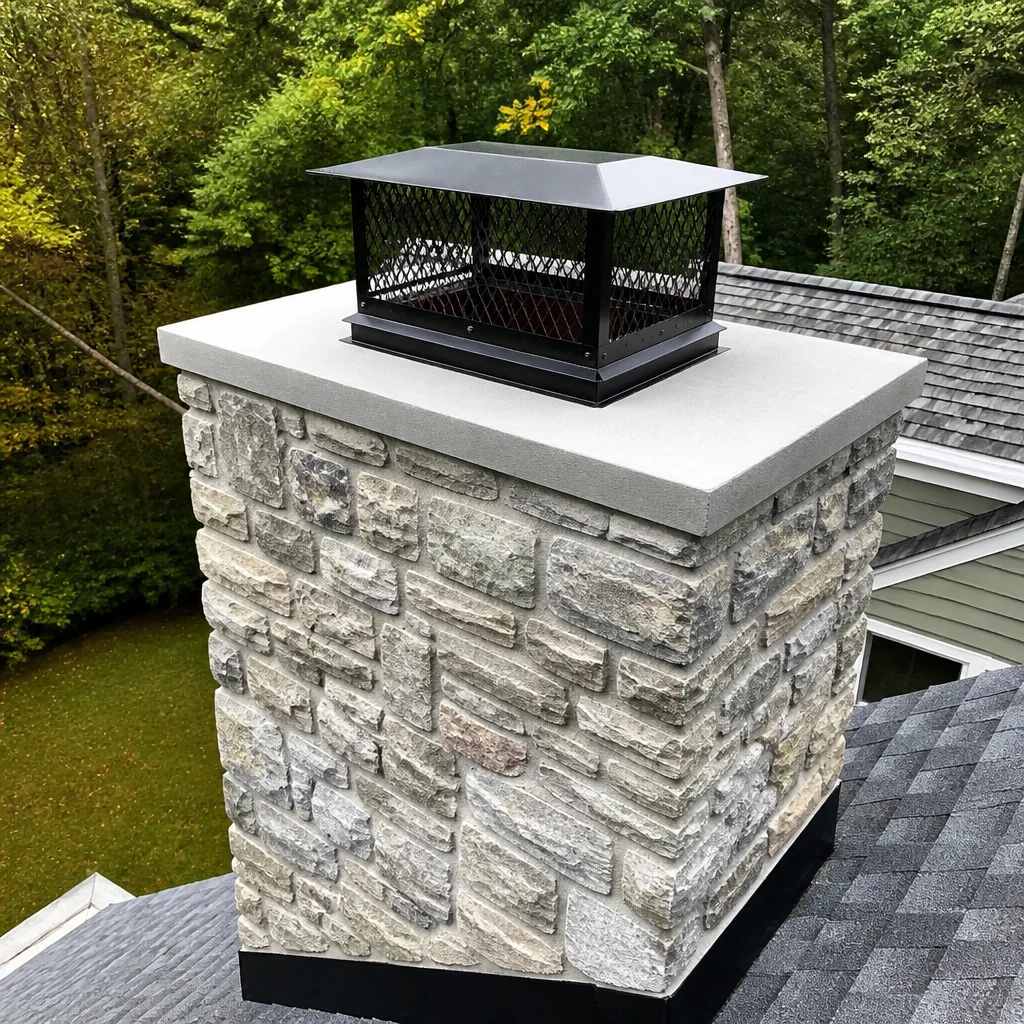 Caps & crowns
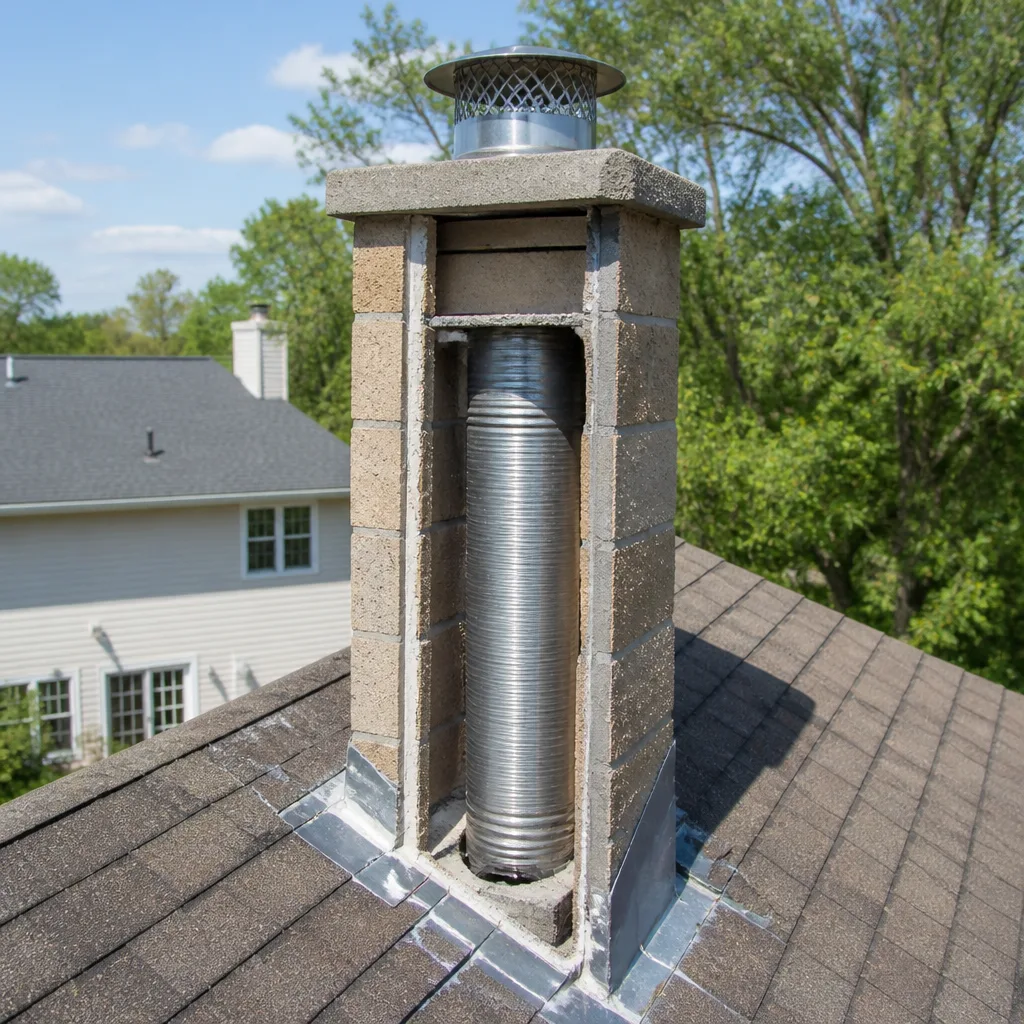 Flue relining
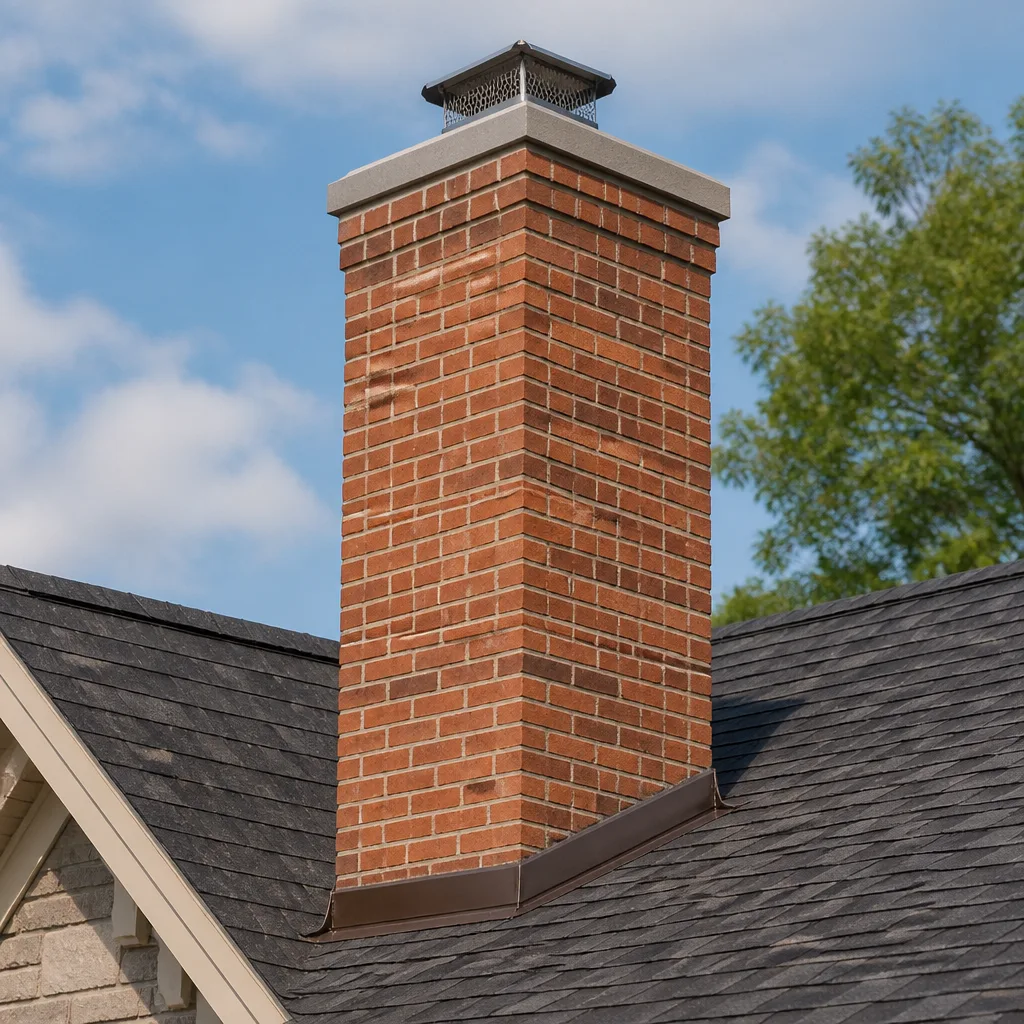 Masonry repair
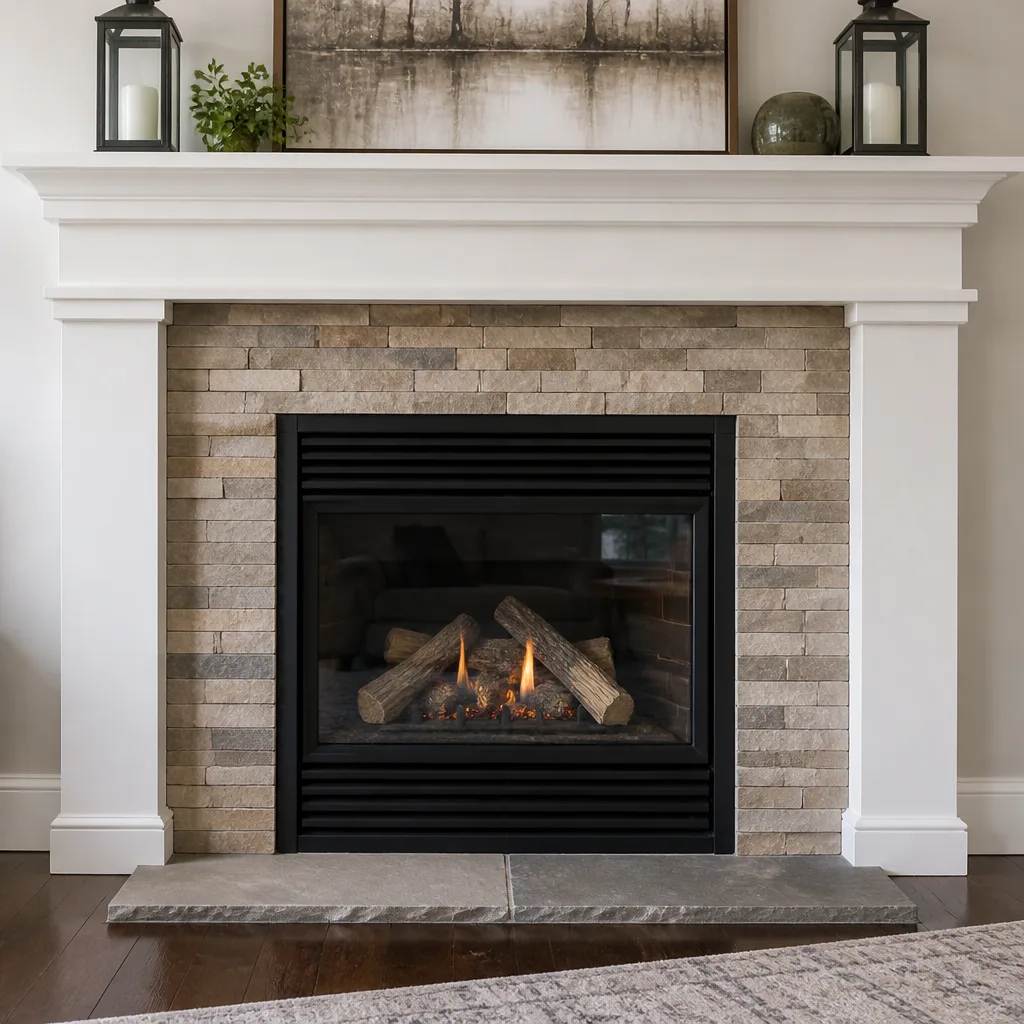 Gas fireplace service
Level 1 sweep and inspection to the NFPA 211 annual standard - flue, crown, cap, and flashing checked and photographed
Chimney sweep logs do not sweep chimneys. They loosen some creosote - which then falls where a brush and vacuum still have to collect it.
Seasonal Chimney Cleaning Care for Richmond: Year-Round Homeowner’s Guide
Richmond homeowners who follow the standard “clean in spring, inspect in fall” advice are scheduling their chimney work around seasons that don’t quite exist here. The Bay Area doesn’t hand us four tidy calendar quarters of weather; it gives us a long dry fire season, a concentrated wet winter, and a fog-heavy stretch in between that does the quietest damage of all. That mismatch matters, because the two windows when a Richmond chimney is most vulnerable fall outside the weeks most cleaning schedules target. This guide rebuilds the calendar around Richmond’s actual climate rhythm – what to check before the first burn, what winter rain does to a crown, why summer is corrosion’s free season, and how to plan one professional visit that covers the most ground.
Quick Answer
The best single time to book a chimney sweep in Richmond is late spring to early summer, right after the burning season ends and before the dry months bake creosote onto the flue. Your most important pre-season check comes in October, before the first fire, when a Level II inspection catches whatever the dry summer and prior wet season left behind. If you can only do one visit a year, make it the post-season sweep and inspection, then do a simple visual check yourself each October.
Styles & brands we work with
- Sweep & inspection
- Caps & crowns
- Flue relining
- Masonry repair
- Gas fireplace service
Table of Contents
- Why Richmond’s Calendar Isn’t the Standard One
- October to November: The First-Burn Check
- January to March: What the Wet Season Does to Your Chimney
- How the Marine Layer Treats Masonry Differently Than Rain
- May to June: The Post-Season Window Most Homeowners Miss
- Building Your Year Around One Professional Visit
- What a Real Inspection Actually Checks
- Neighborhood Notes Across Richmond
Why Richmond’s Calendar Isn’t the Standard One
Most chimney-care advice is written for places with a hard freeze and a clean seasonal break. Richmond doesn’t work that way. Wood burning here tends to run from late fall into early spring, driven more by damp evenings than by deep cold, and that long, low-intensity burn pattern has its own consequences. A fire that smolders through a foggy night at low heat deposits more creosote than a hot fire in a cold climate, because cooler flue gases condense on the liner walls instead of venting cleanly.
Then the weather shifts fast. The dry months arrive and stay, and the fireplace goes quiet. Then the rain returns in concentrated bursts. Then the marine layer settles in and keeps everything a little damp for weeks at a time.
Each of those phases stresses a different part of your flue system:
- The burn season loads the flue with creosote and soot.
- The dry season lets that residue cure onto the liner and lets any trapped moisture work on metal and mortar.
- The wet season tests the crown, flashing, and cap, which are the parts that keep water out.
- The fog months keep masonry damp long enough for slow deterioration to set in.
The right schedule follows those phases instead of the calendar on a generic cleaning checklist. Once you see your chimney as a flue system – liner, cap, damper, crown, flashing – rather than a single dirty pipe, the timing starts to make sense. That’s the lens we use when we look at a home anywhere in Richmond.
October to November: The First-Burn Check
Before the first fire of the season, your chimney needs a real look, not just a memory of last year’s sweep. The dry summer months are hard on a flue. Residue left from the previous burn season has had months to bake onto the liner walls, and any small crack in the masonry or a gap at the crown has had months of dry weather to widen without anyone noticing. The first fire is when those problems announce themselves, usually through smoke backing into the room or a draft that never quite gets going.
Here’s the practical pre-season routine:
- Look up before you look in. From outside, check the cap and crown for cracks, and confirm the cap is intact and clear of bird nests and debris.
- Check the damper. It should open and close fully and seal reasonably well when closed. A damper that sticks or won’t seal lets warm room air escape all winter and lets cold, damp air in.
- Shine a light up the flue. Look for obvious soot buildup, blocking debris, or gaps in the liner. If you can’t see clearly, that’s a sign the flue needs a professional look, not a reason to burn anyway.
- Test the draft with a small fire. A little newspaper-and-kindling fire should pull smoke up and out cleanly. Smoke that lingers in the firebox or pushes into the room means something’s off.
- Book the Level II inspection if it’s been a while. A camera inspection sees what a flashlight can’t.
One caution worth stating plainly: high-tension parts, gas lines, and electrical components inside the chimney system aren’t things to take apart yourself. Most of the October check is visual, and when something looks wrong, that’s the point to bring in a trained professional. Here’s what we found and here’s what it means is the conversation you want, not a guess.
January to March: What the Wet Season Does to Your Chimney
Richmond’s rain arrives in concentrated storms rather than a slow drizzle spread across the winter, and that pattern is hard on the top of the chimney. Water is the most patient destroyer in the whole system. It doesn’t break a crown in one storm; it finds a hairline crack, seeps in, and then sits in the masonry during the dry spells between storms, expanding and contracting with temperature changes and slowly prying the crack open a little wider each time.
Six weeks after a heavy storm stretch is when the damage usually shows itself. What to watch for:
- Staining on the ceiling or chimney breast. Brown rings or a fresh damp patch on the interior masonry are the classic sign of a crown or flashing leak.
- White powder on exterior masonry. Efflorescence – the chalky residue left when water moves through brick and evaporates – tells you moisture is traveling where it shouldn’t.
- Flaking or spalling brick. A brick face that’s peeling or crumbling means it’s been saturated and dried repeatedly.
- Rust streaks on a metal cap or liner top. Stainless components can handle water, but standing moisture against mild steel parts or fasteners will eventually show.
- Loose flashing. The seal where the chimney meets the roof is usually the first thing to fail in a storm.
The fix varies with what the camera and the inspection find. Crown repair, flashing re-sealing, and a properly fitted cap are the usual interventions. When the liner itself has been compromised by repeated moisture, we supply and install professional-grade components – a DuraFlex flexible stainless liner for a deteriorated flue, for example – because a generic hardware-store patch won’t hold up to another wet season. Call (866) 361-9755 if you’re seeing any of these signs after a storm; estimates are free.
How the Marine Layer Treats Masonry Differently Than Rain
This is the part of the Richmond climate that homeowners rarely connect to their chimney. Rain is obvious – you see it, you hear it, you look for damage afterward. Fog does its work without announcement. The marine layer keeps exterior masonry damp for hours or days at a time, never quite wet enough to trigger a leak, never quite dry enough to let the brick fully shed the moisture.
That sustained dampness matters because brick and mortar are porous. Mortar is the softer of the two, and a mortar joint that stays slightly damp for weeks on end weakens faster than one that gets soaked and then dries out. Over years, the joints between the bricks start to erode and crumble, and once that happens the brickwork loses some of its structural cohesion. The chimney isn’t falling down, but it is aging faster than it would in a drier climate.
What this means for Richmond homeowners:
- Watch the mortar joints, not just the bricks. Crumbling, sandy joints are the early warning.
- Treat a well-fitted cap as a fog-season necessity. A proper cap keeps the marine layer from condensing directly into the flue.
- Don’t wait for visible rain damage. Fog-season deterioration doesn’t announce itself the way a storm leak does.
- Check the chimney’s exposed sides – the walls facing the bay and the wind get the most damp hours.
In our experience, the chimneys that age well in this climate are the ones where the crown and cap were kept in good shape, so moisture never had a doorway into the masonry in the first place.
May to June: The Post-Season Window Most Homeowners Miss
Spring is the single best time to sweep and inspect, and May to June is the sweet spot. This is when the traditional advice to clean in fall goes wrong. A fall sweep means the creosote from the previous winter has been sitting on the flue through the dry season. By the time you sweep in autumn, that residue has cured onto the liner and, if any moisture got in, corrosion has been quietly advancing for months. Waiting until fall gives corrosion a full summer to progress and leaves a fresh layer of creosote to be baked again the following season.
A clean sweep-and-inspect in late spring buys you three things:
- A clear flue for the whole dry season, so moisture that does get in has less soot to react with.
- Time to plan repairs at a calm pace, before the next burning season, rather than discovering a failed crown in October.
- An accurate baseline for the year ahead, so the October check is about confirming, not diagnosing from scratch.
If the inspection turns up a compromised liner, spring is also when a reline is easiest to schedule. Our technicians have up to 13 years of experience with complex and offset flues, and HeatShield liner restoration lets us rehabilitate a deteriorating flue tile without a full teardown, which means less disruption to your home and often a faster return to normal use.
Building Your Year Around One Professional Visit
If you’re only going to book one professional chimney visit a year, make it the post-season sweep and inspection in late spring, and handle the rest with a light visual check yourself. That’s the highest-value single appointment in the Richmond climate, because it clears the flue before the dry season, catches problems while there’s time to plan, and gives you a documented starting point for the next burn.
Here’s how to build your year around that one visit:
- Late spring (May to June): Book the sweep and Level II camera inspection. This is the deep, professional look.
- Summer: Have any recommended repairs done while the fireplace is out of use. A reline, crown repair, or cap replacement has the whole dry season to settle before the first burn.
- Early fall (October): Do your own visual check – cap, crown, damper, and a small test fire. This is confirmation, not diagnosis.
- Winter: Burn season. Watch for smoke backing up, ceiling stains, or a draft that’s gotten worse, and note anything odd.
- End of winter: Note what you saw during the burn season and bring those notes to the spring appointment.
That rhythm also solves the hand-off problem. Most sweep-only companies clean, find damage, and hand you a phone number to call a separate repair contractor. We own the diagnosis and the repair, so you’re not driving around the problem. When you’re ready to book, you can reach a chimney sweep appointment and, if the inspection finds something, a chimney repair with the same company. Our Juniper Chimney Sweep team can find it and fix it in the same visit when possible.
What a Real Inspection Actually Checks
A proper inspection looks at the whole flue system, not just the firebox. Here’s what we check:
- Flue liner: A camera inspection shows the full interior, including the offsets and the top that a flashlight can’t reach. Cracks, gaps, and deteriorated tile are the main findings.
- Creosote level: The sweep tells you how much buildup there is and whether it’s in a range that needs attention.
- Damper and smoke chamber: Function, seal, and whether the smoke chamber is smooth enough to vent cleanly.
- Crown and cap: The two things that keep water out, checked for cracks and fit.
- Flashing: The seal where the chimney meets the roof, a common leak point.
- Exterior masonry: Mortar joints, spalling, and staining, with the fog-season effects in mind.
When something’s found, we use professional-tier components – Gelco or Olympia Chimney caps and dampers, for example – sized to your actual flue system, not a generic one-size part. Brands matter here: the material a cap or damper is made from is the difference between a component that handles ten more wet seasons and one that rusts out in three. And nothing should be recommended without camera evidence you can see for yourself. If something can safely wait until next spring, we’ll tell you that plainly.
Neighborhood Notes Across Richmond
Richmond’s neighborhoods vary in housing stock enough that the seasonal picture shifts a little from one part of the city to another. The principle is the same; the details are where your specific home’s needs come from.
- Older masonry chimneys tend to have the most to say about fog-season moisture. Crumbling mortar joints show up here first.
- Homes with gas inserts or appliances still benefit from the annual inspection even though the soot load is lower, because the venting and the connection points still need checking.
- Wood stoves get a closer look at the flue because a stove’s burn cycle runs cooler than an open fireplace, which deposits more of the condensing creosote this climate is prone to.
- Homes near the water and the wind can expect more damp hours on the exposed masonry, so watching the crown and cap matters a little more.
Wherever you are in Richmond, the seasonal plan is the same shape: clear the flue after the burn, inspect before the first fire, and watch for water damage between storms.
Common Mistakes to Avoid
- Following the generic spring-clean, fall-inspect advice without adjusting for this climate. In Richmond, the post-season sweep is the one that prevents the most damage, because it clears the flue before the dry months rather than after them.
- Waiting until October to diagnose instead of confirm. If you haven’t looked at the flue since the previous winter, the October check is already late. The spring inspection is where the real diagnosis happens.
- Ignoring the marine layer. Homeowners attribute slow masonry deterioration to age and miss that the fog months did the work. Watch the mortar, not just the bricks.
- Skipping the camera inspection because the sweep seemed fine. A sweep clears what it can see; a camera shows the offsets and the top of the liner, where the problems usually are.
- Letting a spring repair wait until fall. A recommended crown or cap repair has the whole dry season to be done safely. Push it to autumn and you’re racing the first rain.
- Burning with a failed cap or a blocked flue because the fire “still lit.” A fire can light and still be venting poorly. If smoke lingers or backs up, stop and have the flue checked.
- Treating a sweep-only company as a full chimney-health partner. If the sweep crew can’t do the repair, you’re making a second call before the problem’s actually fixed.
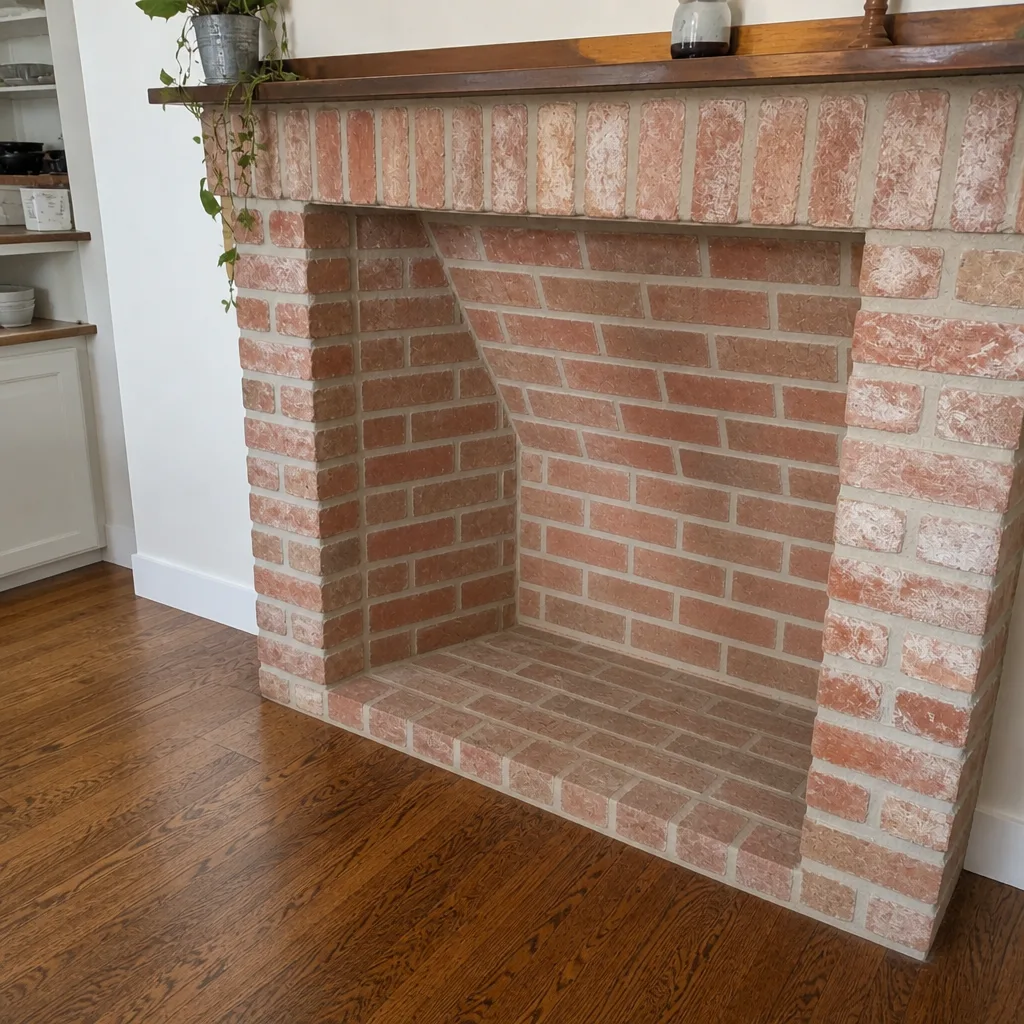
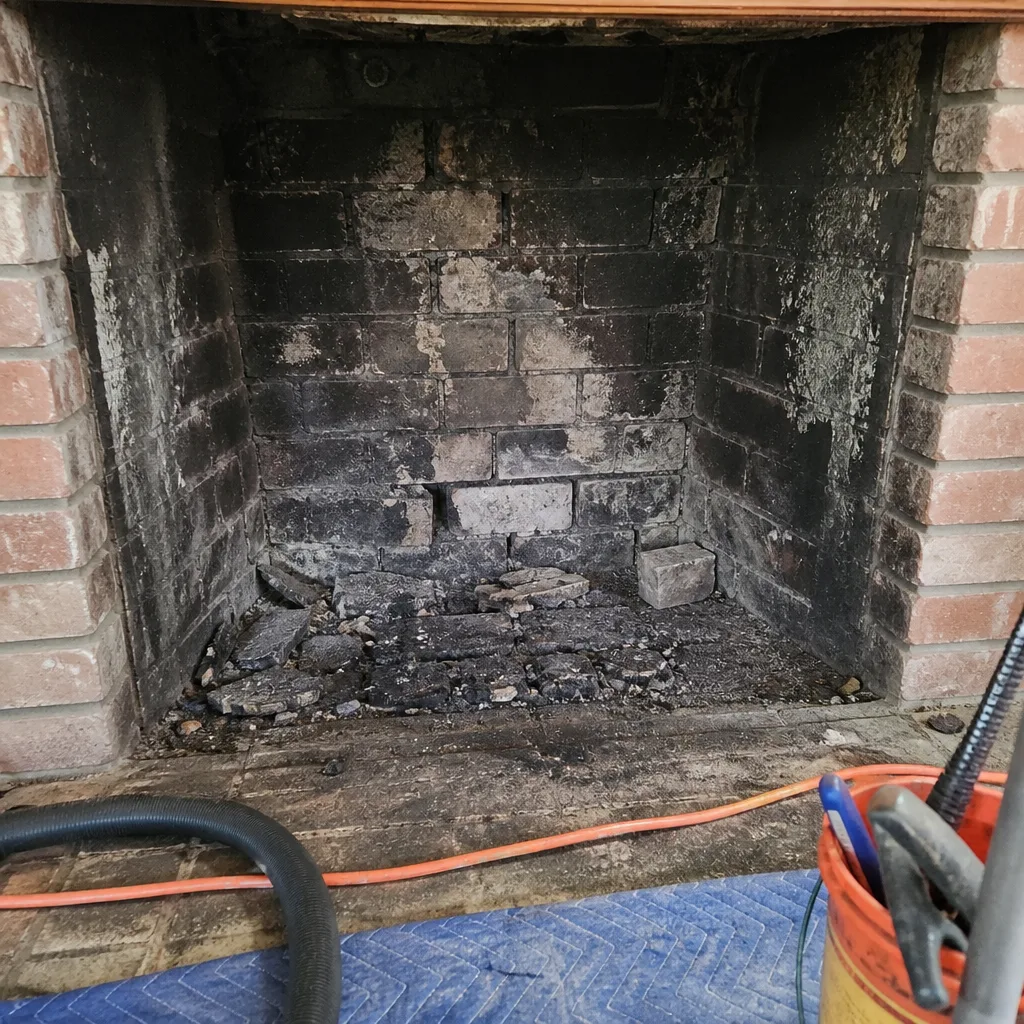
See the difference
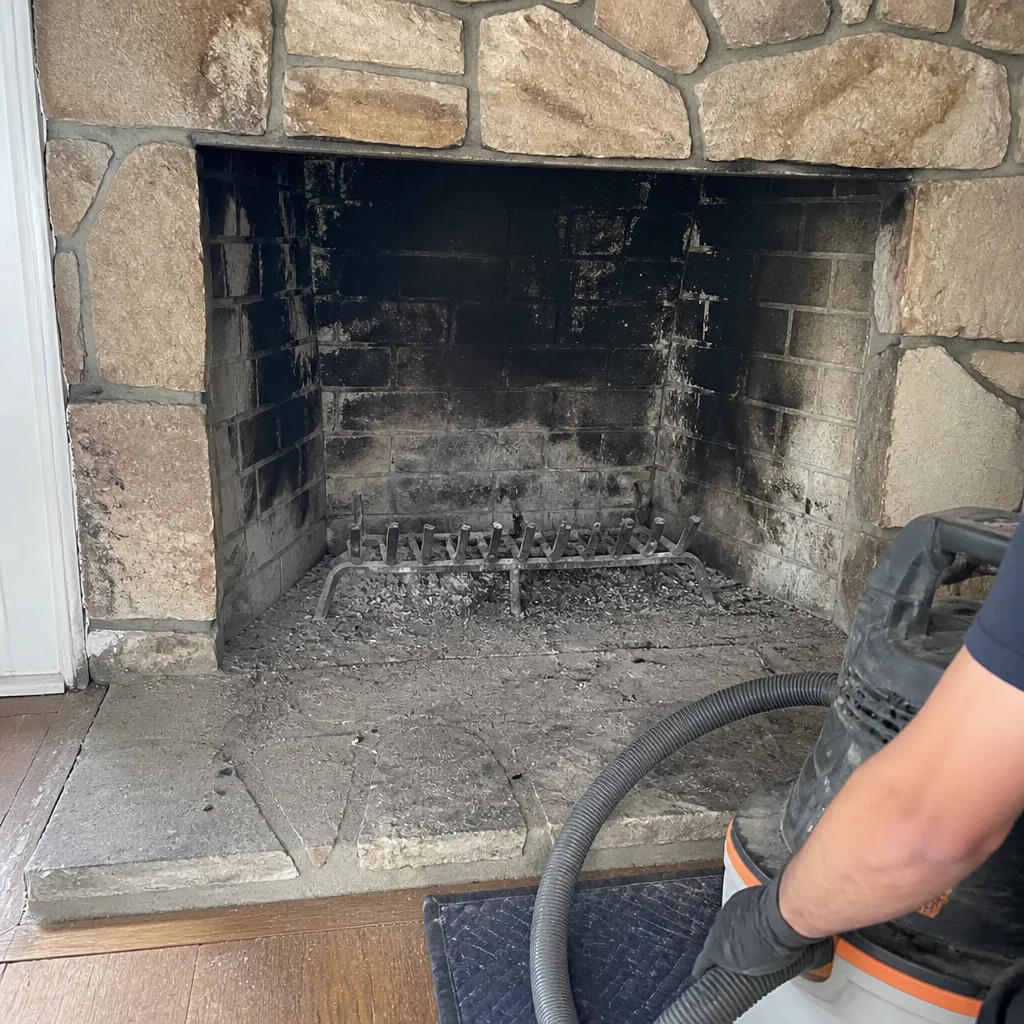 Before
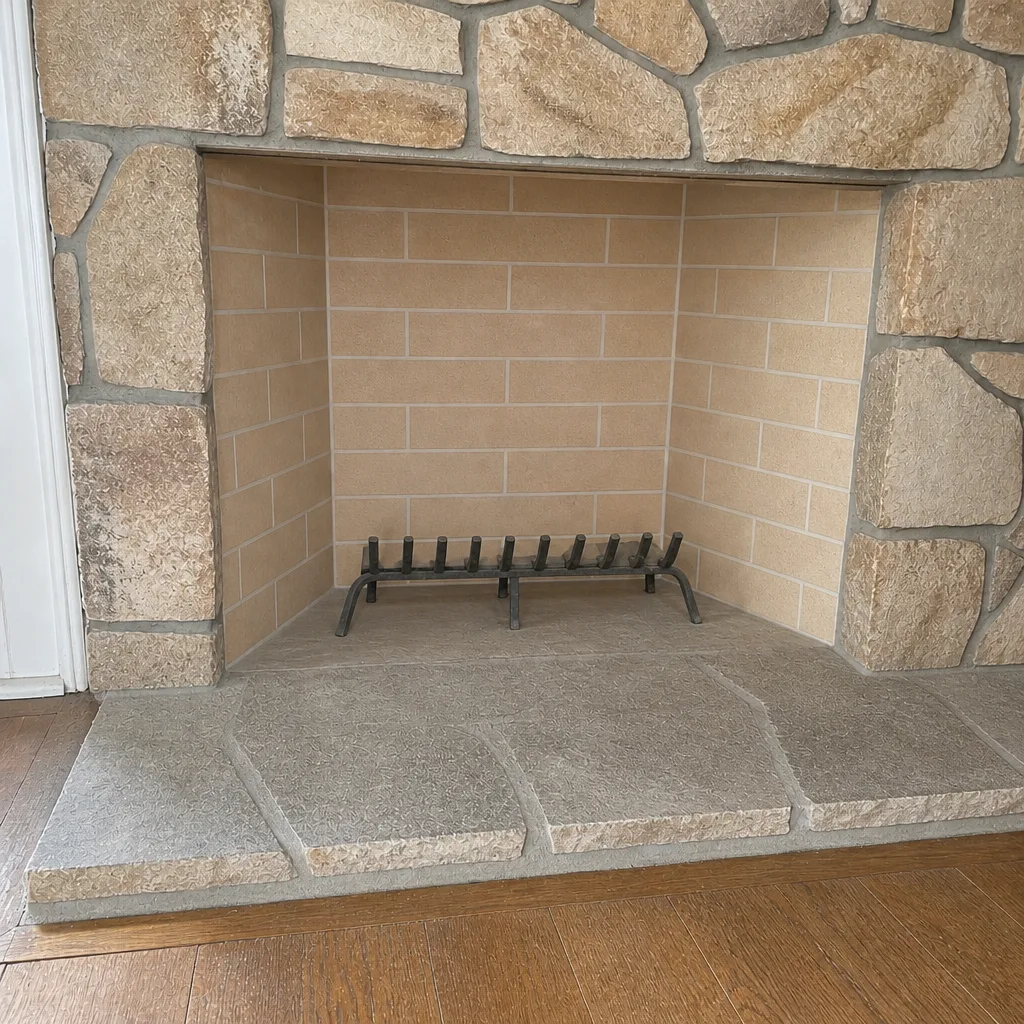 After
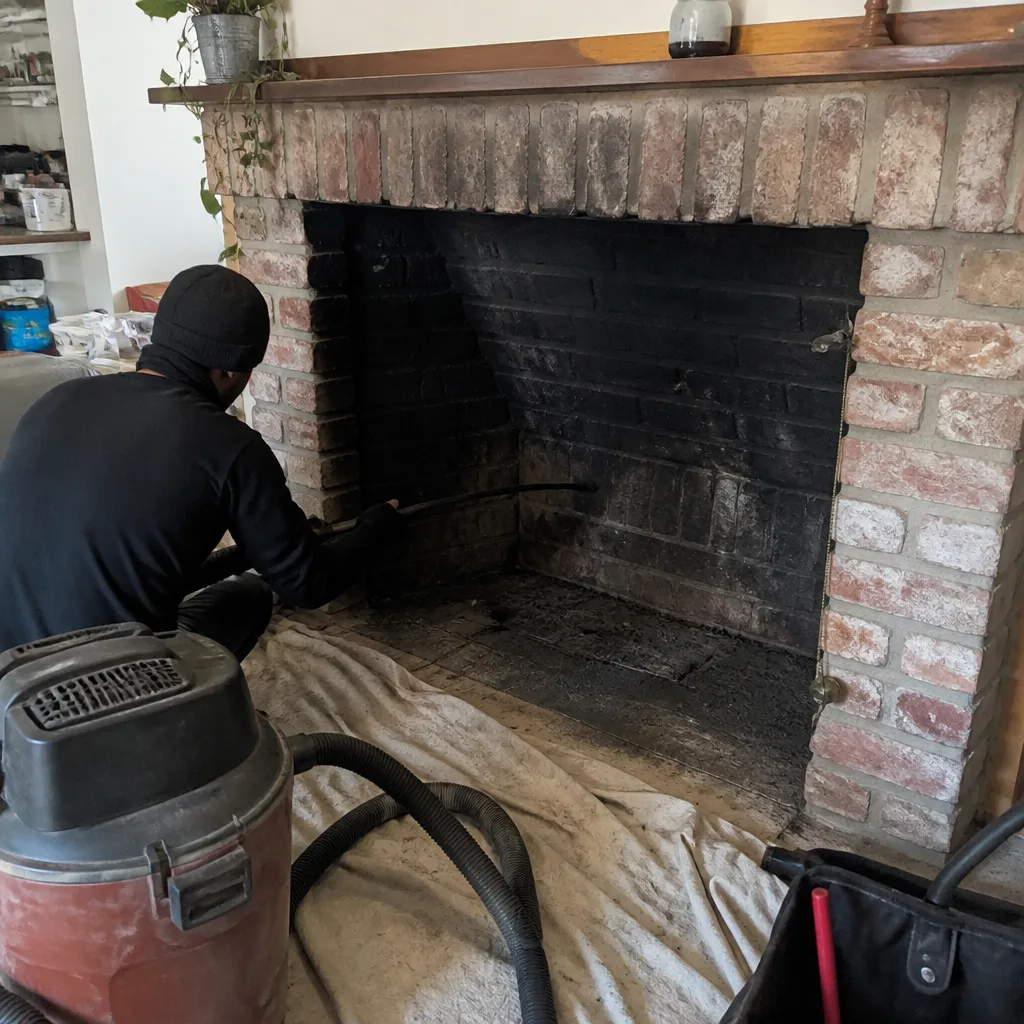 Before
 After
 Before
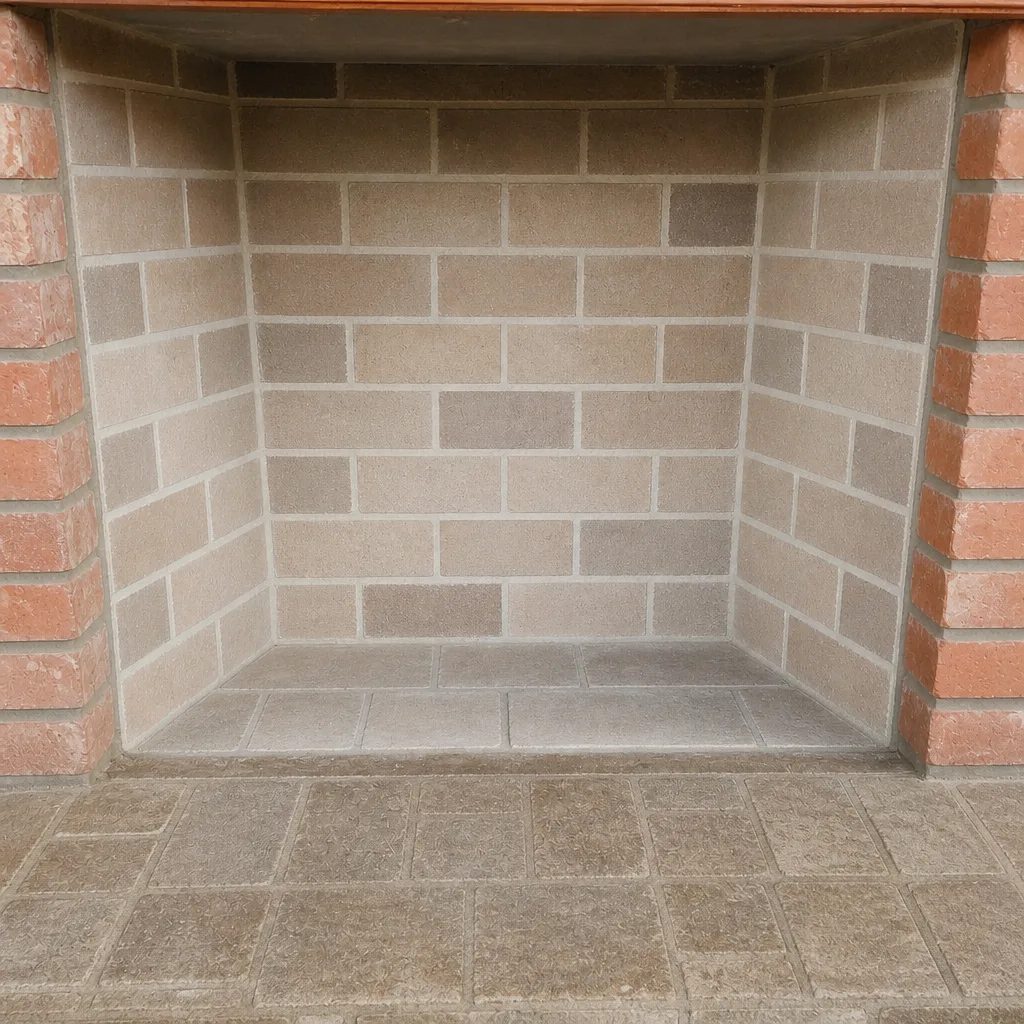 After
When to Call a Professional
Call us when you see smoke backing into the room, when there’s staining on the ceiling or chimney breast after a storm, when the mortar joints are crumbling or the brick is spalling, when the damper won’t seal, or when the spring sweep is due and you want the camera inspection to go with it. Also call if you’ve had a chimney fire, however small – a fire in the flue itself is a reason for a Level II inspection before the next burn. And call if you’ve gotten a vague “you should get that checked” warning from another contractor and want real answers from a company that can also do the work. Juniper Chimney Sweep offers free estimates in Richmond – call (866) 361-9755.
Frequently Asked Questions
Once a year is the right rhythm for most Richmond homes that burn regularly, timed to late spring so the flue is clear before the dry season. Homes that burn heavily or use a wood stove may benefit from a mid-season check, and any home that has had a chimney fire or noticed smoke issues should be inspected right away. The annual sweep and inspection is the baseline; the spring timing is what makes it count in this climate. Call (866) 361-9755 to book one – estimates are free.
Because fall cleaning leaves creosote on the flue through the dry, warm months, when it cures harder and gives any trapped moisture a full summer to corrode the liner. A late-spring sweep clears the flue before the dry season, leaves less fuel for moisture to work with, and gives you time to plan any repairs before the next burning season. It’s the single highest-value timing decision in the Richmond climate. Call (866) 361-9755 for an exact quote – estimates are free.
It keeps exterior masonry damp for extended periods without the obvious signal of rain, and that dampness weakens mortar joints faster than occasional soaking does. The damage shows up as crumbling, sandy mortar, flaking brick faces, and a chimney that seems to age faster than the house around it. A properly fitted cap and a sound crown are the main defenses. If you’re seeing mortar erosion, have it looked at before it advances. Call (866) 361-9755 and we’ll take a look.
Check the cap and crown from outside, confirm the damper opens and seals, shine a light up the flue for debris and obvious soot, and test the draft with a small kindling fire. If smoke lingers or backs into the room, stop and have the flue professionally inspected. Those four steps catch most pre-season problems. When in doubt, a Level II camera inspection is the definitive answer. Call (866) 361-9755 to schedule one – estimates are free.
Often yes, when the flue tile is deteriorating but the structure is otherwise sound. HeatShield is an EPA-recognized liner restoration system we’re equipped to apply, and it rehabilitates the flue without a full teardown, which means less disruption and often a faster return to use. When the damage is more extensive, a DuraFlex flexible stainless liner is the next step. The camera inspection tells you which is appropriate. Call (866) 361-9755 for a free estimate on either.
Creosote builds up on the flue walls, moisture has more to react with, and the first place you’d notice a problem is a smoke-back or a draft that’s gotten worse – usually at the worst possible time. A serious creosote buildup is also a chimney-fire risk, and a compromised liner lets combustion gases into the home instead of up and out. The sweep and inspection are the cheap insurance; skipping them is how a small repair becomes a reline. Call (866) 361-9755 and we’ll tell you honestly what your chimney needs – estimates are free.
The Bottom Line
Richmond’s climate doesn’t reward the standard chimney calendar. The real rhythm is: sweep and inspect in late spring, repair in summer, do a light visual check before the first fire in October, and watch for water damage after winter storms. The marine layer is the quiet force in the middle of all that, aging masonry slowly and without announcement. If you only do one professional thing a year, make it the post-season sweep and camera inspection – it’s the appointment that covers the most ground in this climate. Then let the seasonal checks handle the rest.
Call (866) 361-9755 for a free estimate. We answer 24/7. Fast dispatch, 7am-7pm.
Written by the team at Juniper Chimney Sweep.