
Last updated November 15, 2026
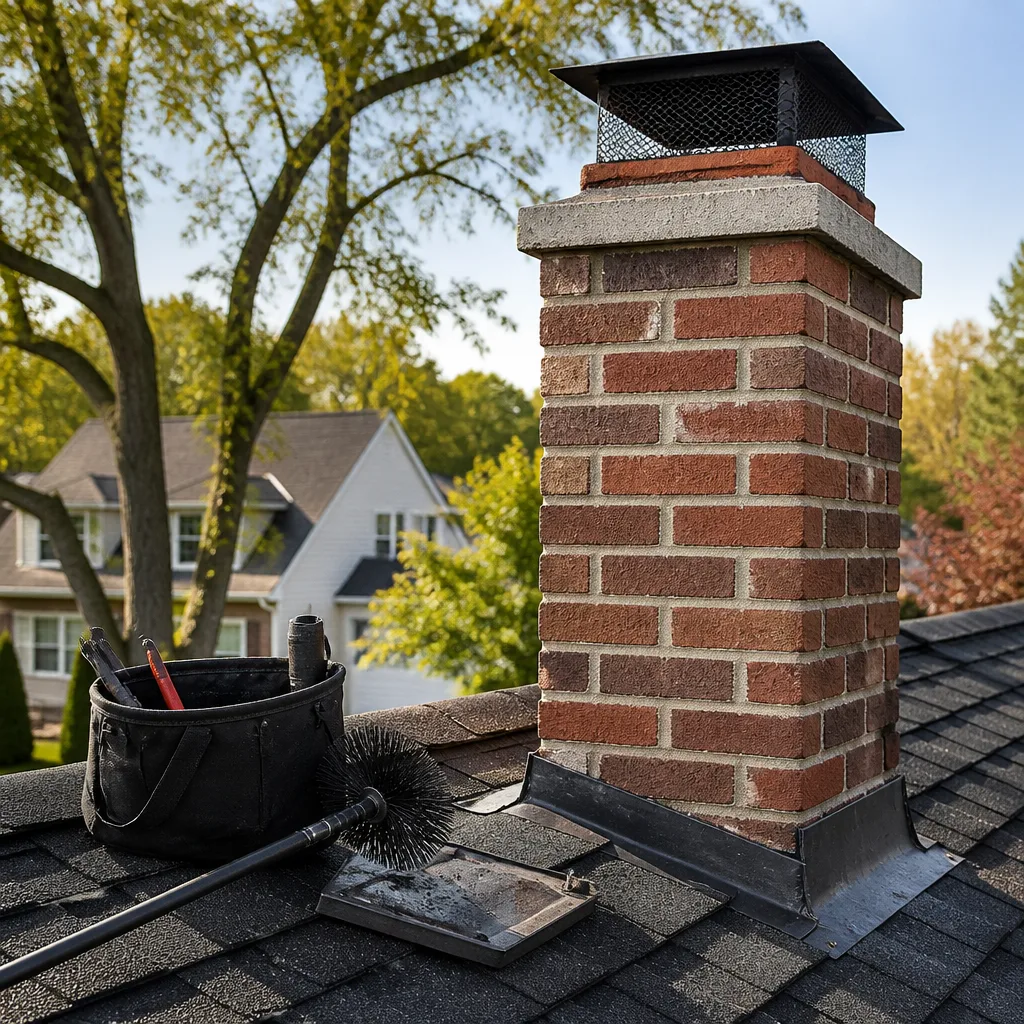 Sweep & inspection
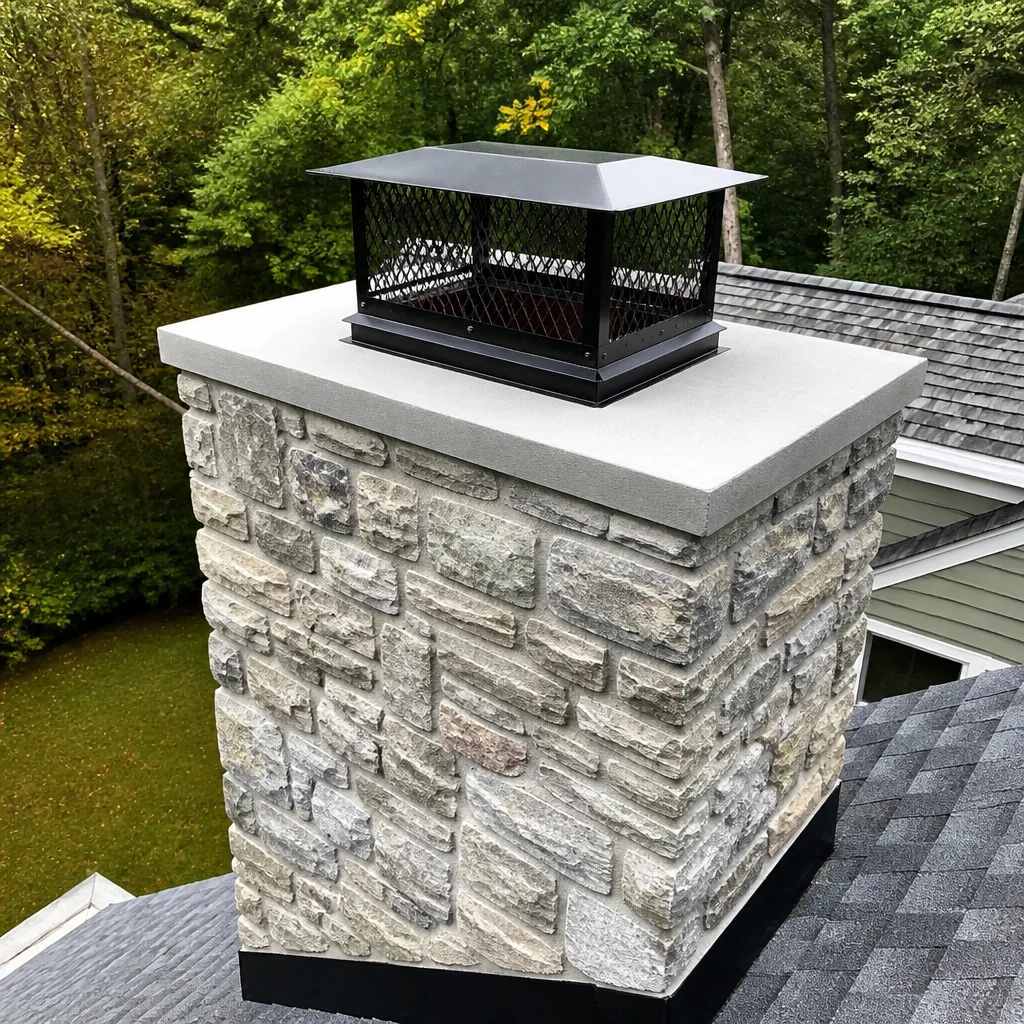 Caps & crowns
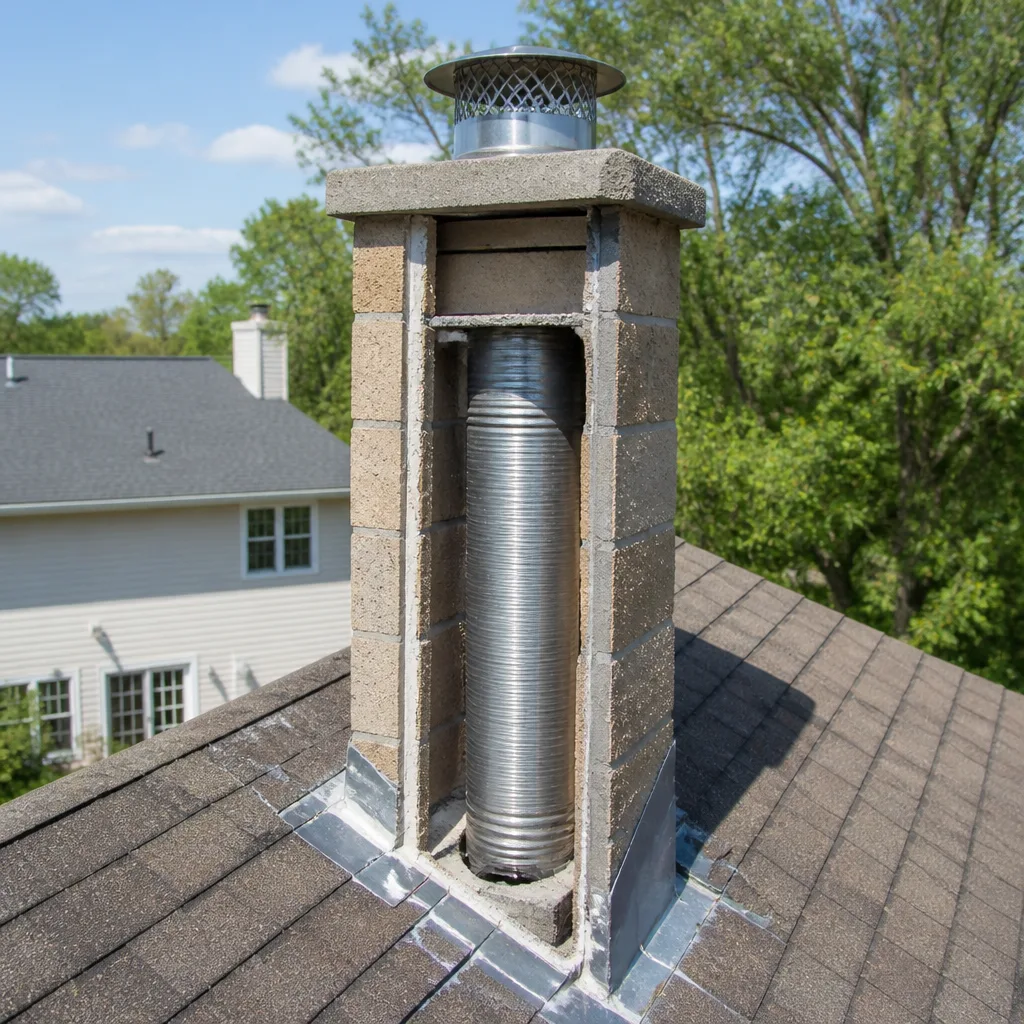 Flue relining
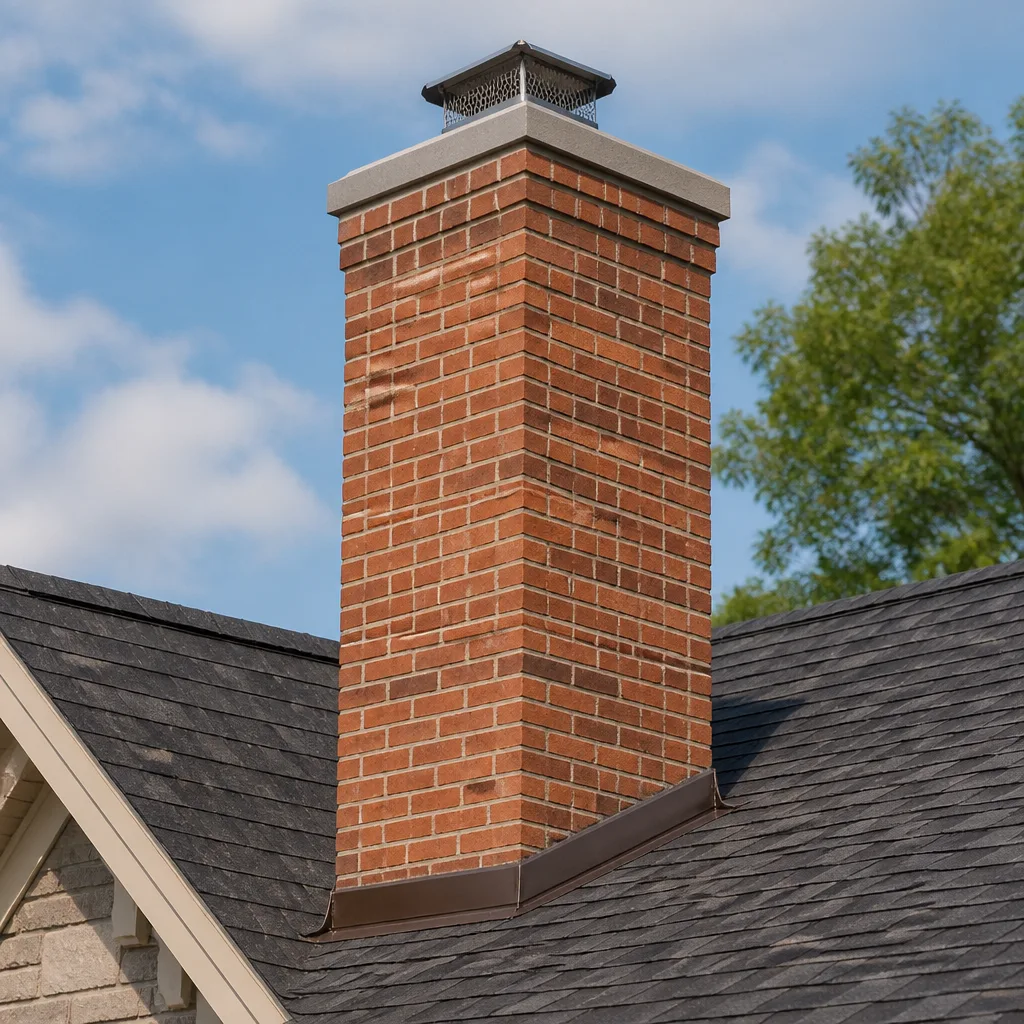 Masonry repair
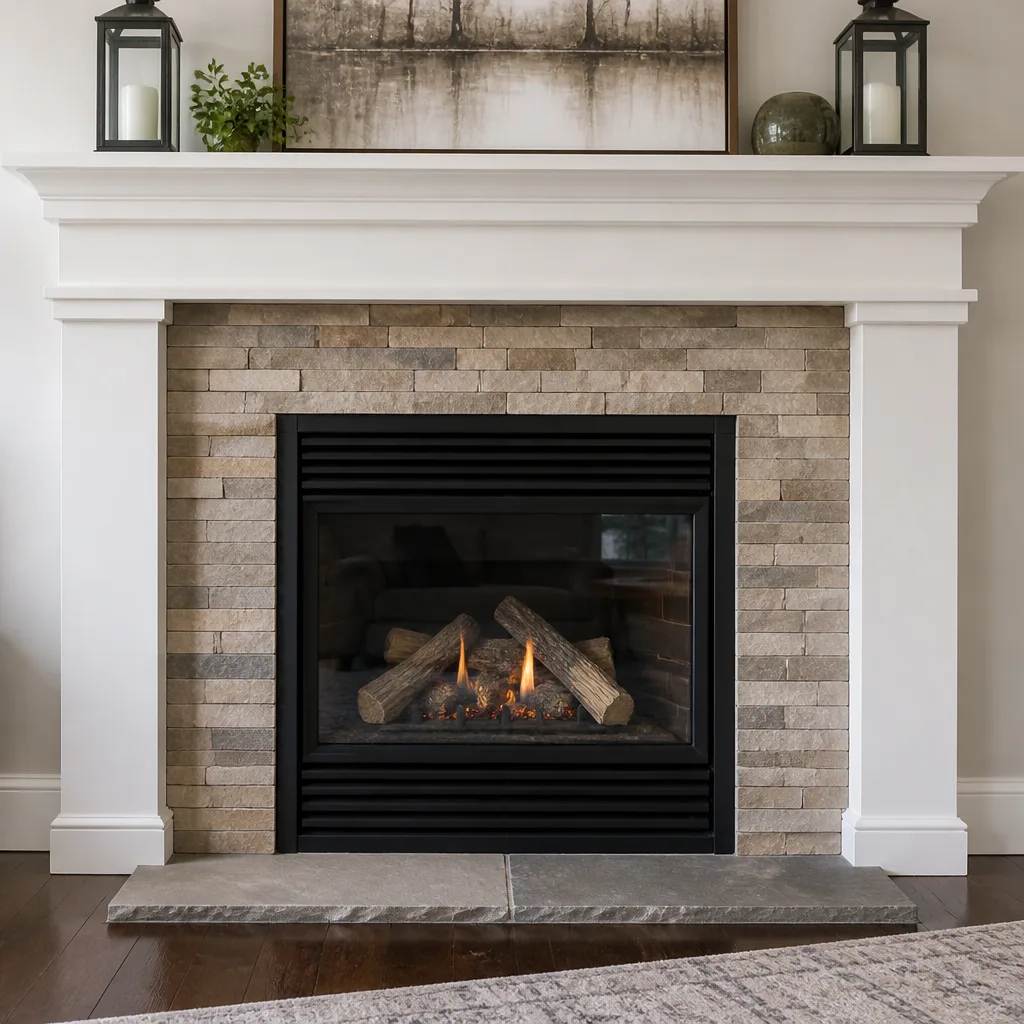 Gas fireplace service
Level 1 sweep and inspection to the NFPA 211 annual standard - flue, crown, cap, and flashing checked and photographed
Chimney sweep logs do not sweep chimneys. They loosen some creosote - which then falls where a brush and vacuum still have to collect it.
Chimney Cleaning Warning Signs: A Richmond Homeowner’s Reference Guide
The white staining on your brick exterior is not a cosmetic issue. It’s your chimney telling you water is moving through the masonry, and by the time it shows up outside, it’s already been working on the structure inside. That’s the pattern most homeowners miss: chimney problems rarely announce themselves where the fire is. They surface in the living room, the attic, or on the wall facing the street, and the symptom you’re looking at is usually several feet from the cause. This guide maps what you’re seeing, hearing, and smelling to what’s actually happening in your flue, so when you call a sweep in Richmond you can describe it accurately.
Quick Answer
The main chimney cleaning warning signs are white efflorescence staining on exterior brick, smoke rolling back into the room during a fire, a musty or creosote smell when the fireplace is off, rusted or cracked firebox tile, and unusual sounds in the flue. Any one of these means your flue system needs a Level II inspection before the next fire. Most are cheap to address when caught early and expensive when ignored for a few seasons.
Table of Contents
- What White Staining on Your Brick Actually Means
- Reading Smoke Behavior: Rollout, Slow Draw, and Backdraft
- Sounds From the Chimney: Animals, Expansion, or Structural Shifting
- Smell Diagnostics: Creosote, Moisture, or Something Burning
- What to Check Inside the Firebox (Safely)
- The Cap and Crown: Where Most Problems Start
- Richmond’s Mild Winters and What They Hide
- Common Mistakes to Avoid
What White Staining on Your Brick Actually Means
Efflorescence is a white, powdery salt deposit that appears on masonry when water moves through it. Water dissolves salts inside the brick or mortar, carries them to the surface, and leaves them behind as the water evaporates. On a chimney, it’s a moisture signal, and moisture is the slow, quiet enemy of every masonry chimney. Brick and mortar hold up well to weather. They do not hold up well to repeated wetting from inside the structure.
Cosmetic versus structural efflorescence
Not all white staining is equally urgent. Here’s how we separate the two:
- Light and powdery: brushes off with a stiff broom, doesn’t come back quickly. Often dew or one wet season. Worth monitoring, not a crisis.
- Heavy or recurring: comes back within a season, or feels crusty and bonded to the brick. This means water is entering from somewhere it shouldn’t, usually through the crown, the flashing, or the brick itself.
- White staining paired with dark patches or spalling brick faces: the masonry is failing. This is the version you don’t want to wait on.
Where the water is coming from
The most common paths are a cracked crown at the top, failed flashing where the chimney meets the roofline, or a missing or damaged chimney cap. We install chimney repair fixes for all three, and in most cases the correct answer is a proper cap and a rebuilt or sealed crown rather than a masonry teardown. What we don’t recommend is painting over the staining. That hides the signal without stopping the water. A brick sealer applied at the wrong stage traps moisture inside and makes things worse, which is why we want a proper diagnosis before any coating goes on.
Reading Smoke Behavior: Rollout, Slow Draw, and Backdraft
Smoke behavior is one of the clearest signals of a mechanical problem because it’s visible in real time. Three patterns are worth knowing, and each maps to a different cause.
Rollout
Rollout is smoke spilling out of the firebox into the room instead of going up the flue. It usually happens at fire start, in the first minute or two, when the flue is still cold. A little at startup is normal on a cold chimney. Rollout that continues while the fire is burning, or that fills the room, points to one of these:
- An undersized flue for the firebox opening
- A blocked or partially blocked flue
- A damper that isn’t opening fully
- Exhaust fans or HVAC returns pulling air backward through the house
- A firebox opening that’s too tall for the flue to draft properly
Slow draw
A fire that lights but won’t pull, smoldering instead of burning, usually means the flue isn’t getting enough air or is too short for its cross section. Creosote buildup narrows a flue and slows draft over time, so a slow draw can be an early warning that a cleaning is overdue. On older homes in Richmond with original masonry flues, the firebox was often built for an open fire with a different draft expectation than a modern insert or stove. If the appliance changed and the flue didn’t, this is where it shows up.
Backdraft
Backdraft is the sharp, immediate smell of smoke the moment a fire is lit, often with ash moving out of the firebox. It means air is flowing down the chimney instead of up. Causes range from pressure imbalance in a tight house to a flue on the wrong side of the roof line for wind. A chimney sweep visit is the right starting point because the fix depends entirely on what’s inside the flue and how the chimney is positioned.
Sounds From the Chimney: Animals, Expansion, or Structural Shifting
Noises in a chimney fall into three categories, and each means something different. Listening carefully and noting the pattern will save time on diagnosis.
Animal activity
Scratching, fluttering, or chirping, especially at dawn or dusk, is usually birds, squirrels, or raccoons. A missing cap is the most common cause. The concern is less the animal itself than what it leaves behind: nesting material is a fire hazard, and a blocked flue can push carbon monoxide back into the home. If you hear this, don’t start a fire until the flue has been checked.
Thermal expansion
A single soft pop or tink as the fire warms up is normal. Metal liners and stovepipe move slightly with heat. If the sound repeats, grows louder over the burn, or happens after the fire is out, it’s worth a closer look.
Structural shifting
Creaking, cracking, or a deep metallic pop coming from the chimney itself (not the appliance) can indicate a liner or masonry issue. Sometimes it’s just a rattling damper or a loose cap. The only safe way to tell the difference is a Level II inspection with a camera. We install DuraFlex flexible liner systems specifically for cases where the flue has offset or irregular geometry, and a camera inspection is how we confirm whether one is needed.
Smell Diagnostics: Creosote, Moisture, or Something Burning
Smell is the most diagnostic sense you have about your chimney, and it’s the one most people ignore. The three smells below point to three different problems.
Creosote odor
A sharp, smoky, campfire-like smell that’s strongest in warm, humid weather or when the fireplace is off. Creosote deposits in the flue smell more as temperatures rise because they off-gas. A creosote smell when the fire is out usually means a cleaning is due. The deposit itself is also the primary fuel source for a chimney fire.
Musty smell
A musty, damp, or earthy smell is a moisture signal, and it usually pairs with white efflorescence on the exterior or water staining on the chimney breast inside. It often means a leaking crown, failed flashing, or an unsealed cap. Left alone, moisture damages masonry slowly and can rust dampers and liner components.
Burning smell when the fireplace is off
A hot or burning smell with no fire burning is a stop-and-call situation. It can mean an ember is still live somewhere it shouldn’t be, or an electrical component in a fan or gas insert is overheating. Stop using the fireplace until it’s been checked. This is not something to diagnose from a smell alone.
Smell checklist
- Note when the smell appears (fire off, fire on, warm weather, after rain).
- Note where it’s strongest (living room, upstairs, attic).
- Check for visible white staining outside and water marks inside.
- Bring those notes to your sweep. It turns a vague “it smells” call into a targeted inspection.
What to Check Inside the Firebox (Safely)
You can check several things inside your firebox without any tools and without opening anything up. Do this with the fire fully out and the flue cold.
Tile cracks
A hairline crack in the firebrick or mortar joint is worth noting. A crack you can slip a coin into, or any crack in the front face where the fire sits hottest, means the firebox is due for inspection. Warm air moving through a cracked firebox wall can heat the framing behind it, and we don’t want that happening quietly.
Damper rust
The damper should open and close cleanly. Rust on the damper, or a damper that’s stiff or stuck, is usually a moisture sign. Rust is also a mechanical failure risk: a damper stuck partway open lets heat escape up the chimney and pulls cold air down when the fire is out.
Deposit color
What’s clinging to the firebox and throat tells you a lot about the burn:
- Black and shiny, tar-like: glaze, stage-three creosote. Needs professional removal.
- Dark brown and flaky: crusty creosote, typically from wet wood or a cool burn.
- Black soot, dry and powdery: usually a draft or fuel issue, but not the worst.
- Light gray ash: clean burn, deposits minimal.
The Cap and Crown: Where Most Problems Start
In our experience, the top of the chimney is where most long-term problems begin. The crown is the concrete or mortar cap on top of the brick. It’s the chimney’s roof, and when it cracks, water gets in and the whole structure starts to slowly absorb moisture. A chimney cap sits on top of the crown with a mesh screen and a solid lid. It keeps out rain, animals, and debris, and it lets exhaust out.
What to look at from the ground
- Use binoculars or your phone camera zoom from the yard. Don’t climb on the roof.
- Check whether the cap is present, intact, and sitting level.
- Look for cracks in the crown, especially at the corners.
- Look for a mesh screen that’s torn or missing.
- Look for white staining or dark patches on the brick below the crown.
Cap and damper components are some of what we supply from Gelco and Olympia Chimney. They’re the same professional-tier parts we specify when we install a new liner or restore an existing one, and the coil-topping of the flue system: get the cap and crown right and moisture stops getting in.
Richmond’s Mild Winters and What They Hide
Richmond’s mild winters are a blessing and a trap. You don’t get the extreme cold that drives people indoors for months, so the fireplace often gets a few fires a season, not forty. That light use can hide problems because creosote builds slowly and the visible signals are subtle. Water intrusion from winter rain, not freezing, is the bigger risk in a mild climate. Long rainy stretches followed by warm, dry days are exactly what pushes salt to the surface of brick and makes efflorescence visible.
Why the end of the burning season is the right check
A Richmond chimney is usually checked in spring after the last fire of the season, or in early fall before the first. Both work. What’s less effective is the “just before I want a fire” call. That’s when things get rushed. Getting the inspection done in the off-season gives you time to schedule a repair and lets deposits dry out so the camera view is clear. Our technicians have up to 13 years of experience, and we’ve seen this pattern often enough to trust it: the homes with the fewest surprises are the ones that get checked before they need to burn.
Common Mistakes to Avoid
- Painting over efflorescence. Paint hides the signal and traps moisture. Whatever is pushing the salts to the surface keeps working until it’s fixed. Diagnose first, then decide on any coating.
- Assuming a chimney is fine because the fire draws. A chimney can draft well and still have a cracked liner or glaze creosote in the flue. Draft only proves air moves, not that the flue is safe.
- Skipping the Level II inspection because “it was swept last year.” A sweep cleans the flue. An inspection and camera scan confirm the flue is structurally intact. They’re different tasks, and in Richmond we do both in the same visit when we can.
- Burning unseasoned wood to “get by.” Wet wood is the primary driver of creosote buildup and of the slow draw you notice later.
- Using a chimney cleaner log instead of a sweep. Those logs are not a substitute for the cleaning. They’re a supplement at most, and often a reason to delay the call you should make.
- Hiring a sweep who can’t fix what they find. The most expensive mistake is the hand-off: the sweep finds a cracked liner, tells you to call someone else, and you’re now coordinating two contractors on a safety system. We do the sweep, the inspection, and the repair in the same company so the diagnosis and the fix match.
- Ignoring a smell that only appears in warm weather. That’s exactly when creosote off-gassing peaks. It’s a signal, not a season.
When to Call a Professional
Call a professional if you see white staining that returns after a season, any crack in firebox tile you can catch a fingernail in, smoke that rolls into the room after the fire is established, a burning smell with the fireplace off, animal sounds in the flue, or a creosote smell that returns after a cleaning. Call before the next fire if the chimney hasn’t been inspected in a year or more, or if you don’t know when it was last done. Some of these things can safely wait for a scheduled appointment. Others, like a burning smell with no fire, should not. If you’re not sure which category you’re in, describe it over the phone and we’ll tell you honestly.
Juniper Chimney Sweep offers free estimates in Richmond. Call (866) 361-9755. We answer 24/7. Fast dispatch from 7am to 7pm, Sunday through Friday.
Frequently Asked Questions
The final price is set per job by the written estimate, and the estimate itself is free. Contact us for an exact quote – estimates are free. The number depends on flue configuration, access, and whether a camera inspection is included, which is why we don’t quote from a phone description alone.
Not always, and we’re the first to say so. A cracked or deteriorating flue tile can often be restored with HeatShield rather than torn out, which is a repair option most sweep-only companies aren’t equipped to offer. We only recommend a new liner or a restoration after the camera shows what’s actually happening, and we show you the footage so you can see it yourself. If the flue is sound, we’ll tell you it’s sound.
Once a year for regular wood-burning use, and more often for heavy use, or for wood stoves and inserts burning continuously through a season. A gas-burning fireplace or insert needs an annual inspection too, since deposits on gas appliances look different but still matter. Between scheduled visits, pay attention to creosote smell and any change in draft.
Efflorescence, which means water is passing through the masonry and leaving salts at the surface. Cosmetic whites brush off and don’t recur quickly. Heavy or recurring staining means water is entering from a failed crown, flashing, or missing cap, and it should be investigated before it damages the masonry. A cap and crown repair is often the fix.
Deposits build until the flue narrows and draft degrades, then until the creosote itself becomes a fire risk. A chimney fire is possible once glaze creosote is present. Moisture problems, meanwhile, work slowly and show up as spalling brick, rusted damper, or a liner that’s no longer serviceable. None of these are dramatic in their early stages. They’re noticed most often when they’ve become repairs instead of cleanings.
Often, yes. Our sweep and inspection are done in the same visit, and when a repair doesn’t need special parts, we fix it then. When it does need parts, we schedule the follow-up and you have one company handling both the diagnosis and the fix, so nobody needs to point fingers between a sweep crew and a repair crew.
The Bottom Line
Chimney warning signs rarely appear where the fire is. White staining on the brick, smoke rolling into the room, a musty smell in summer, or a flutter in the flue are all pointing at something further up the system. The point of this guide is to help you describe what you’re seeing accurately, in the right words, so the diagnosis and the fix happen in one visit instead of three. Start with the ground-level checks in this guide, write down what you find, and call a professional when any of it repeats. Call (866) 361-9755. We answer 24/7. Fast dispatch from 7am to 7pm, Sunday through Friday.
For a full-service approach to your flue system, the team at Juniper Chimney Sweep can sweep, inspect, and repair in the same company.
Written by the team at Juniper Chimney Sweep.
Styles & brands we work with
- Sweep & inspection
- Caps & crowns
- Flue relining
- Masonry repair
- Gas fireplace service
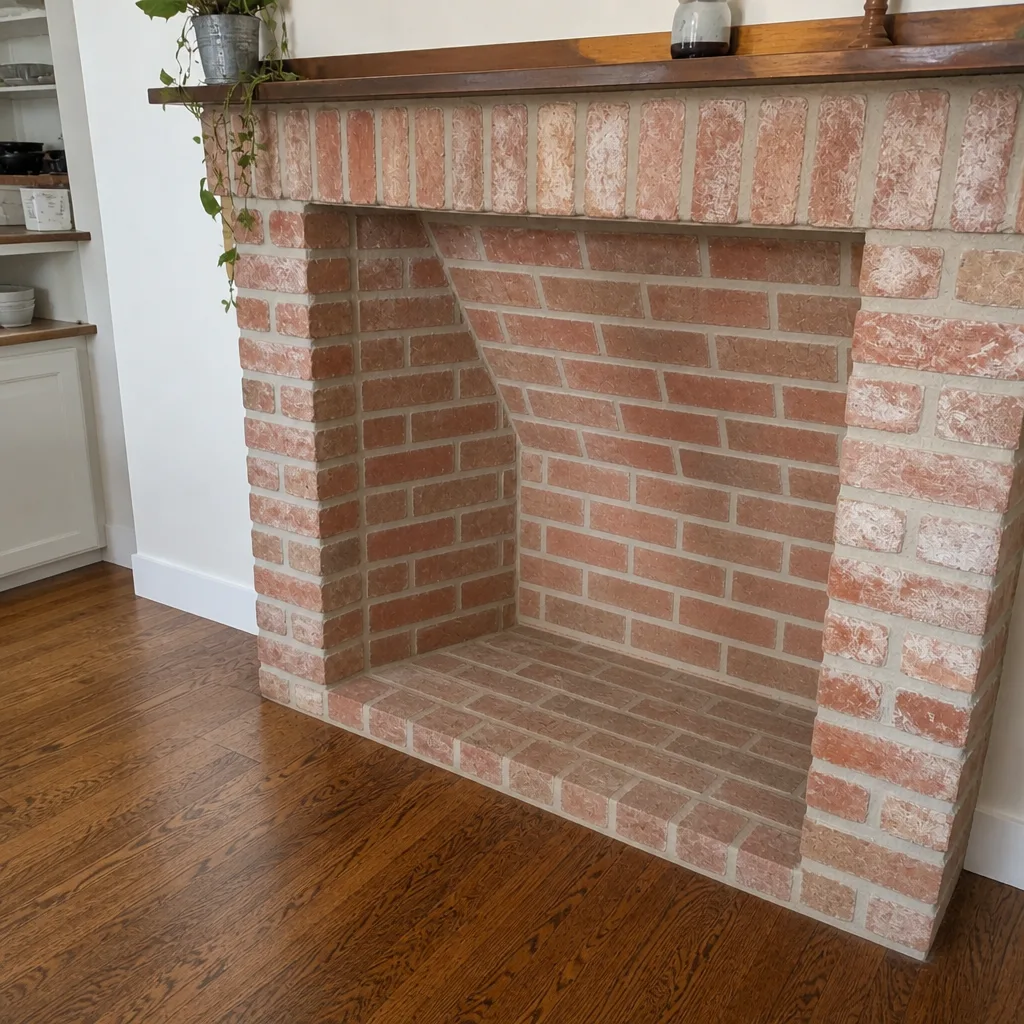
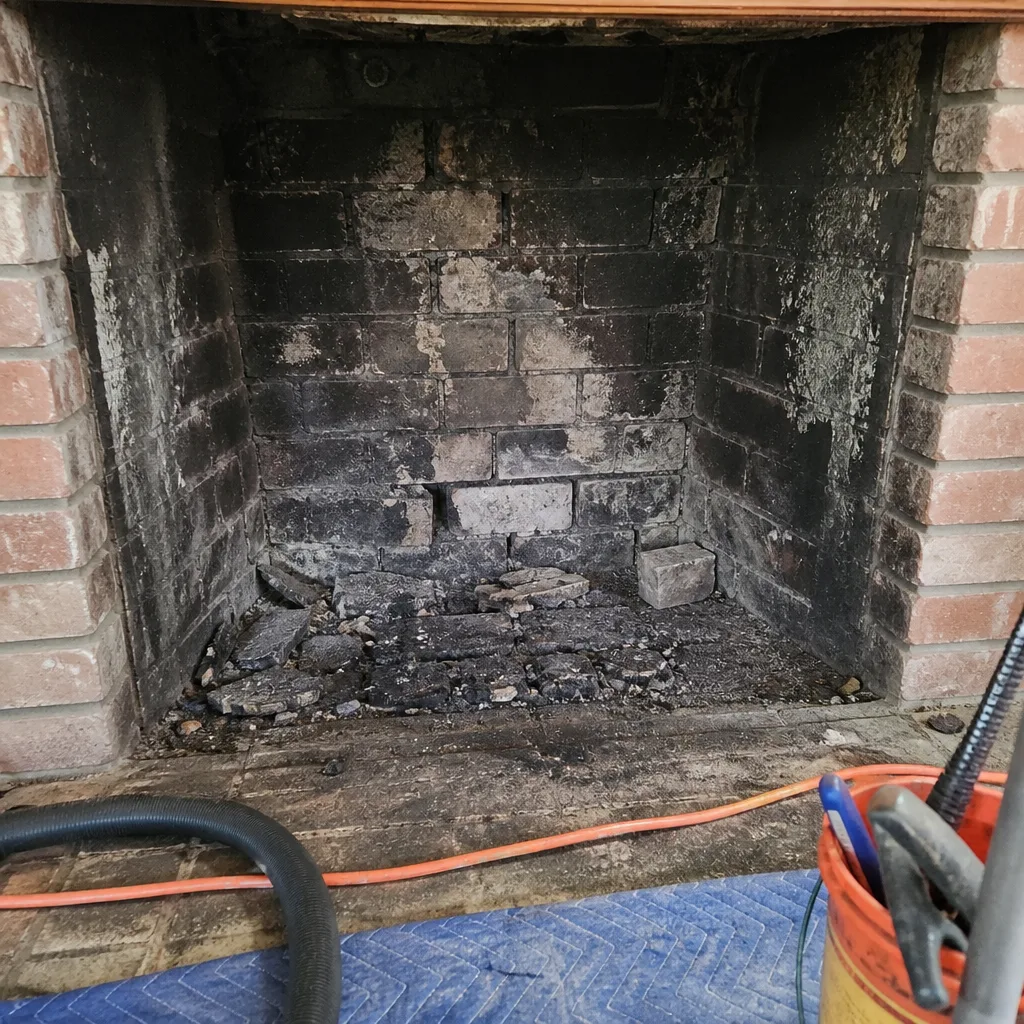
See the difference
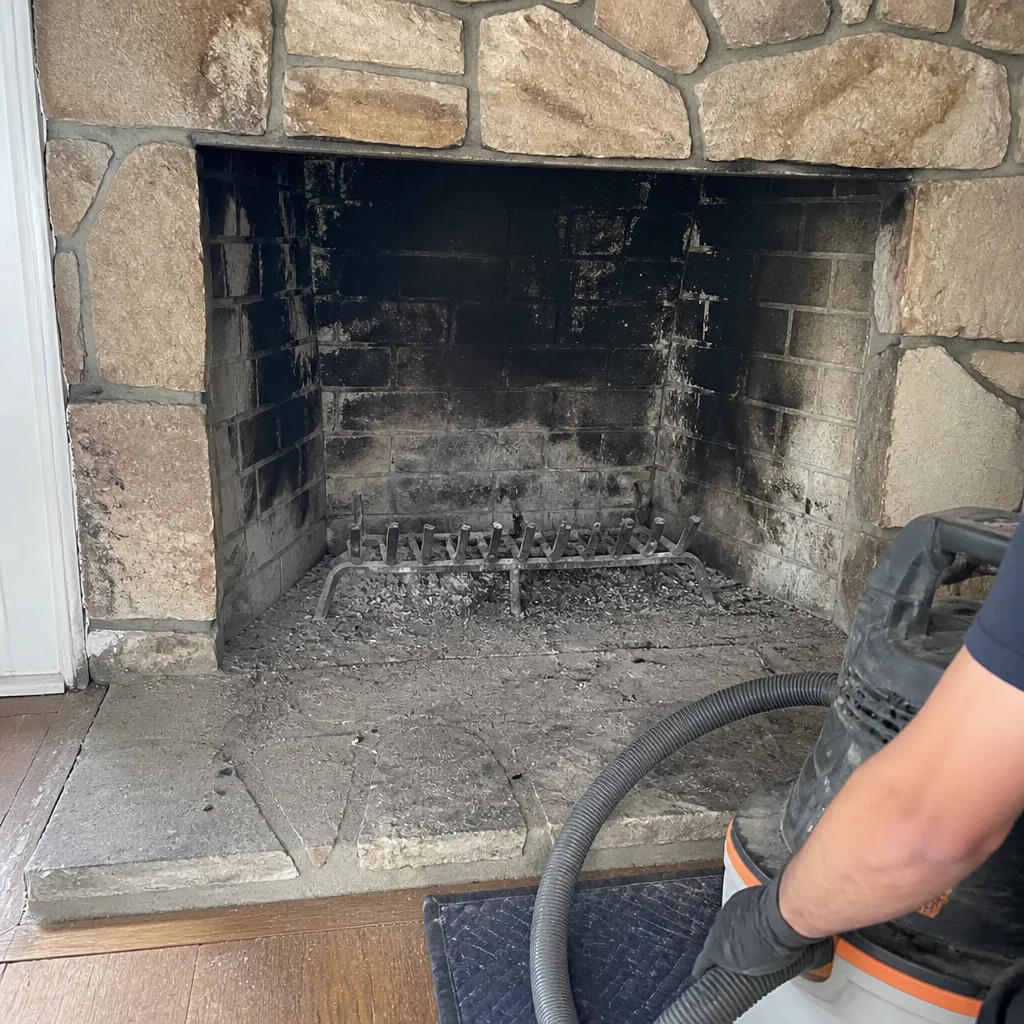 Before
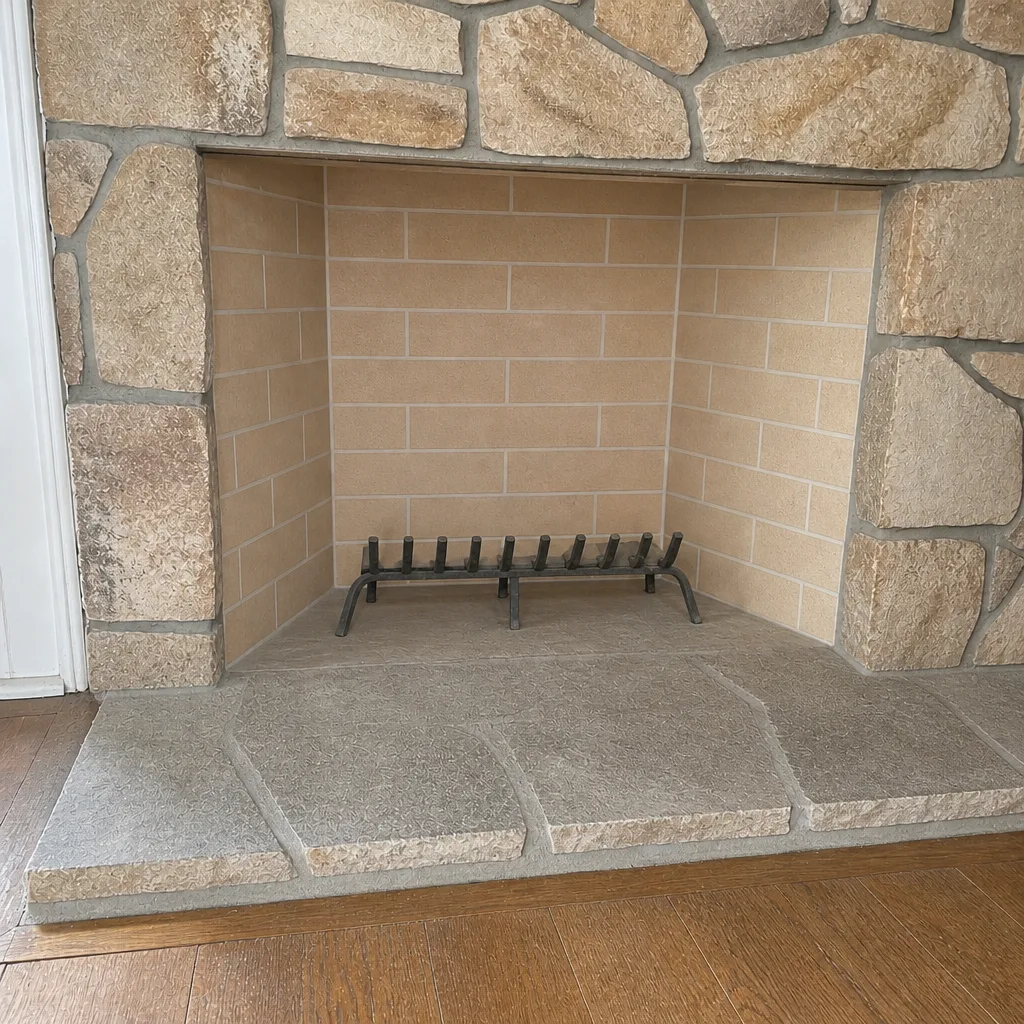 After
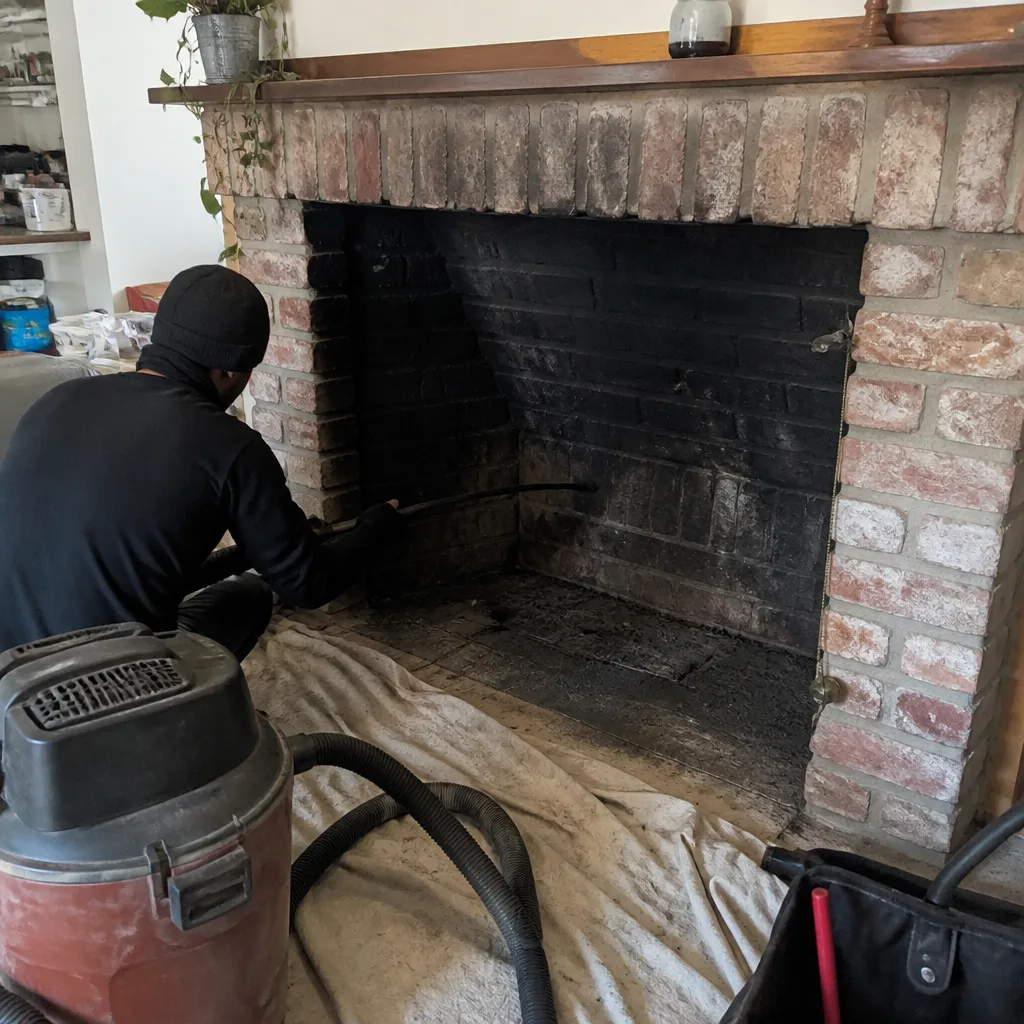 Before
 After
 Before
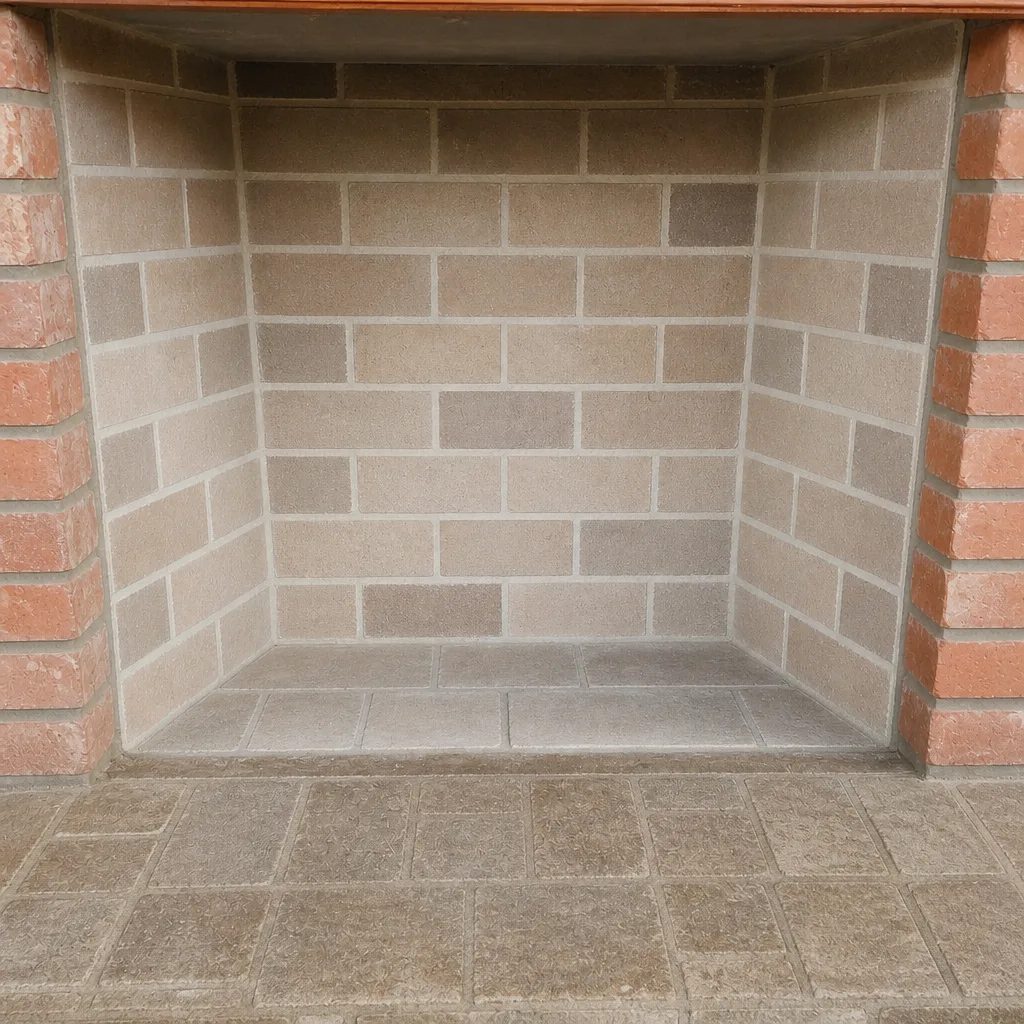 After